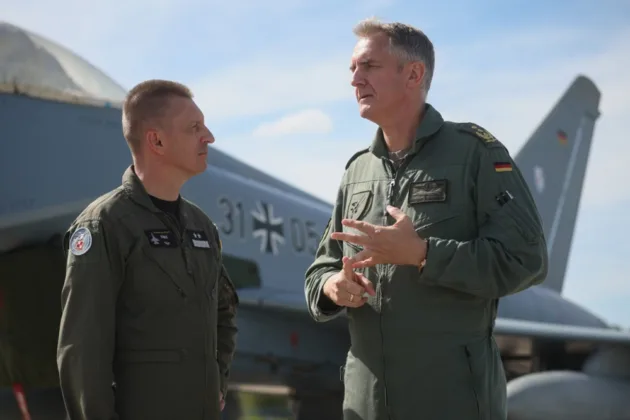



Germany’s army chief has warned that the country must be ready to fight a resurgent Russia, framing the Bundeswehr’s drive to be war-ready by 2029 as a direct answer to a threat he said was steadily growing.
Lieutenant General Christian Freuding, who has led the German army since October 2025, stated that Moscow was rebuilding its forces faster than the war in Ukraine alone required, leaving Berlin little time to prepare its own troops and defence industry.
His comments fit a wider European push to rearm, with NATO Secretary General Mark Rutte repeatedly urging member states to adopt a wartime mindset and alliance members moving towards a defence spending target of 5 per cent of economic output.
German and other Western intelligence services have assessed that Russia could be capable of a large-scale attack on NATO territory by 2029, an estimate Freuding has previously called “almost the day after tomorrow”.
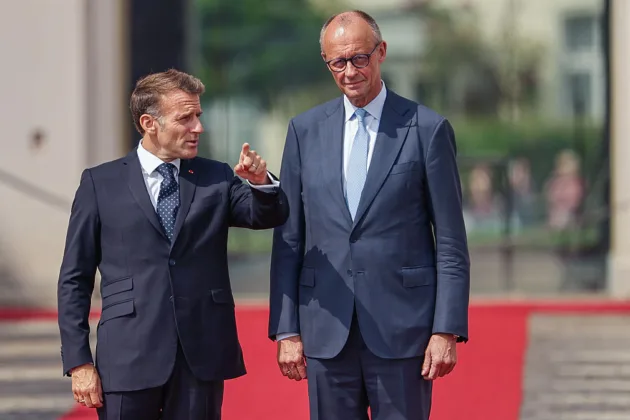
Chancellor Friedrich Merz has pledged to build the strongest conventional army in Europe, lifting planned defence spending towards €153 billion by the end of the decade after Germany loosened its constitutional limit on borrowing.
Freuding has overseen part of that effort first-hand. Before taking command of the army, he ran the defence ministry task force coordinating German military aid to Ukraine, which had reached €20 billion by the end of 2025, according to the Kiel Institute.
Germany has also turned to Kyiv for expertise, agreeing that Ukrainian instructors would deploy to Bundeswehr schools to pass on lessons from more than four years of fighting Russia. Freuding described the arrangement as a role reversal and an equal partnership in security.
The German army chief has said the next war would be fought on a battlefield of near-total surveillance and long-range precision strikes, prompting Berlin to invest heavily in drones and artificial intelligence to quicken battlefield decisions.
Moscow has rejected the idea that it plans to attack NATO as nonsense, accusing Western governments of inventing a threat to justify higher military spending.
Russia has waged its full-scale war against Ukraine since February 2022, a conflict that has reshaped European defence policy and pushed Germany, long wary of rearmament, into its fastest military build-up since the Cold War.