






The head of the German air force has warned that Europe cannot yet replace the American weapons systems on which its armed forces still depend, despite mounting pressure for the continent to defend itself.
Lieutenant General Holger Neumann, inspector of the Luftwaffe, said Germany had no home-grown answer to the United States on advanced combat aircraft and air defence.
His warning followed the collapse in June of the Future Combat Air System (FCAS), the sixth-generation fighter project run jointly by Germany, France and Spain.
The programme was meant to deliver a European jet by 2040 and to show the continent could build cutting-edge hardware without American contractors. It foundered on a long-running dispute between Airbus and France’s Dassault over leadership and workshare.
Berlin ordered 35 Lockheed Martin F-35 jets in 2022 to replace its ageing Tornado fleet and keep a NATO nuclear-sharing role. The first aircraft are due to arrive this autumn.
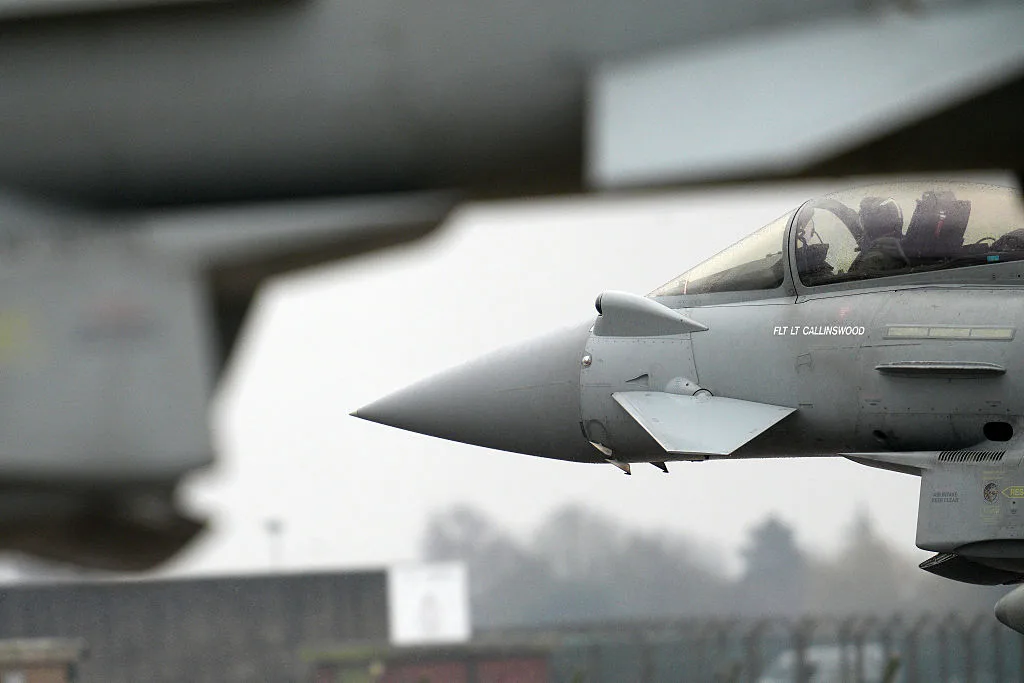
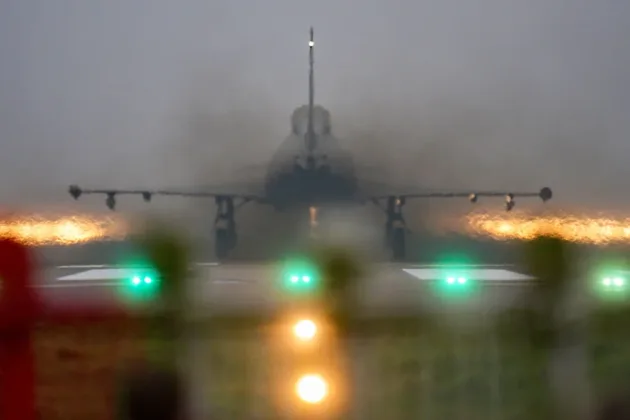
Neumann said Germany’s existing Eurofighters lacked the stealth of newer designs and that only next-generation systems should be bought from 2035. “We have to pick up there,” he said of the timeline.
There was no European aircraft to match the F-35 on the market, defence analysts noted, leaving allies dependent on Washington for their most sophisticated jets.
German air defences fared no better, according to Neumann. Where the Bundeswehr fielded six missile regiments during the Cold War, only one now remains.
The air force is expanding stocks of Patriot, IRIS-T and Israeli-made Arrow 3 interceptors, though much of that hardware also leans on foreign supply chains.
The warning cuts against the European Union’s drive for “strategic autonomy” in defence, a phrase Brussels has repeated since Russia’s invasion of Ukraine.
The International Institute for Strategic Studies has estimated that replacing American military capabilities would cost around $1 trillion (€877 billion) over 25 years. NATO Secretary General Mark Rutte has conceded the allies could not quickly substitute what Washington provides.
Chancellor Friedrich Merz has promised to make Germany war-ready by 2029, pouring billions into rearmament and pledging the strongest conventional force in Europe by the end of the decade.
For all the spending and the talk of independence, Europe’s most advanced firepower would for years yet be stamped “made in America”.