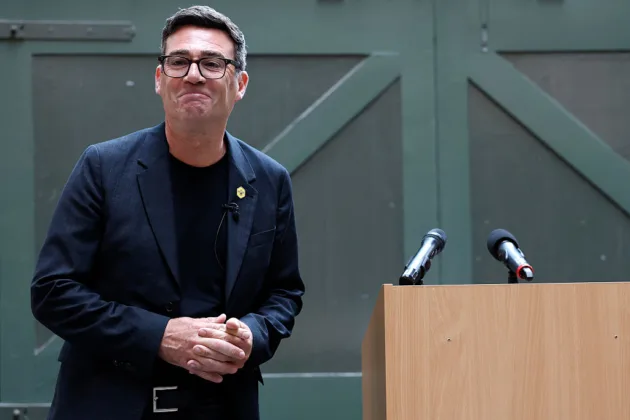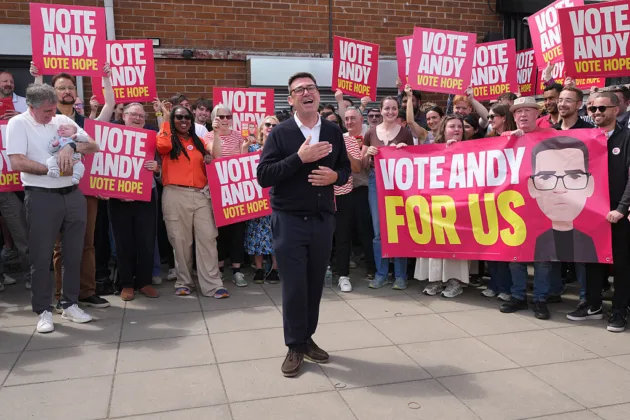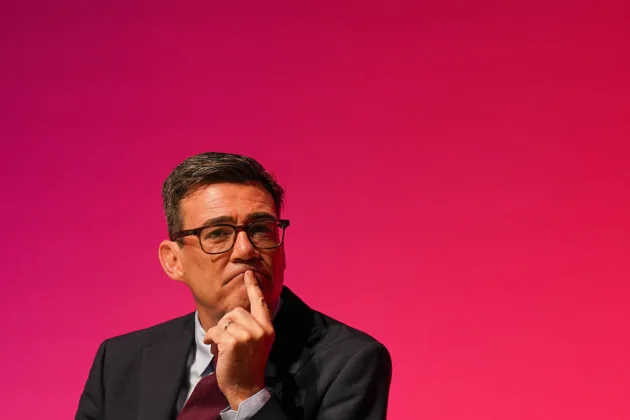

Andy Burnham has become leader of Britain’s governing Labour Party at a special conference in London, clearing the last obstacle to his taking office as prime minister on July 20.
The 56-year-old was the only candidate. He collected 379 nominations from Labour’s 403 MPs before nominations closed on July 16, along with the backing of eight of the 11 trade unions affiliated to the party.
Home Secretary Shabana Mahmood, who chairs Labour’s national executive committee, announced the result. Prime Minister Keir Starmer remains in office until July 20, when he tenders his resignation to King Charles III, who will then ask Burnham to form a government.
Burnham told delegates his government would be “unashamedly Labour in our priorities and in the decisions we take”. He argued that Britain had taken a series of wrong turns in the 1980s, when political power was centralised and economic power privatised, and promised economic renewal, reindustrialisation and more public control of key sectors.
Brussels has been left waiting. The second post-Brexit summit between the European Union and the United Kingdom, fixed for July 22, was shelved after Starmer announced his resignation on June 22, a day before the 10th anniversary of the Brexit referendum.
European Council President António Costa said at the time that he wished Starmer’s successor would “give continuity on this path to reset our relationship with the UK”. A veterinary deal easing agri-food checks, a link between the two emissions trading systems and a youth mobility scheme all remain unfinished.
Burnham has cooled on Europe as his prospects have warmed. He told Labour’s conference last year he hoped to see Britain rejoin the EU in his lifetime, then said in May he was not proposing to reopen the question.
Writing in The Times this month, he said he wanted to consolidate progress on the existing talks and to prioritise cooperation on illegal migration, economic security and societal resilience. Labour’s red lines on the single market, the customs union and free movement stay in place, and he has centred his growth plan on devolution within Britain rather than on ties beyond it.
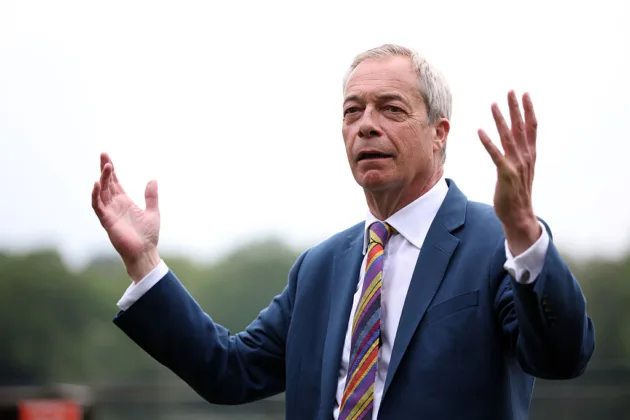
Labour has trailed Reform UK in the polls for close to 18 months. Nigel Farage’s right-wing party, which took 34.5 per cent in the Makerfield by-election that returned Burnham to Parliament, demanded a general election when Starmer stepped down and said his successor’s speech again failed to mention immigration.
Burnham becomes Britain’s 59th prime minister and its seventh leader in a decade, taking office without a national vote. Labour’s majority from 2024 means the next general election need not be held until 2029.