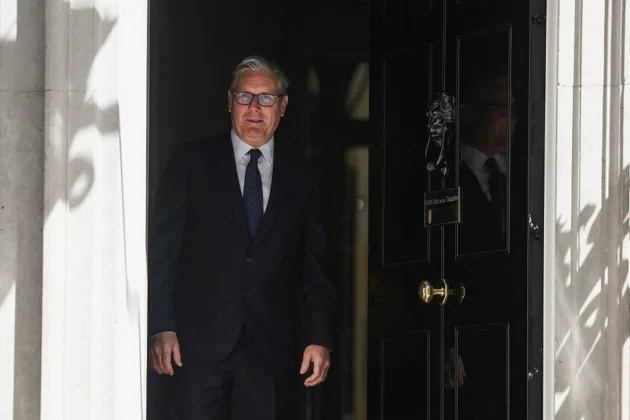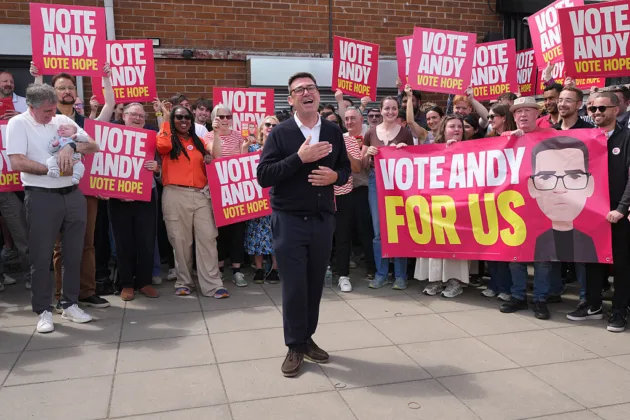

Britain’s Labour Party has opened nominations in the leadership contest to replace Prime Minister Keir Starmer, in a race expected to install Andy Burnham in Downing Street without any vote of the wider membership.
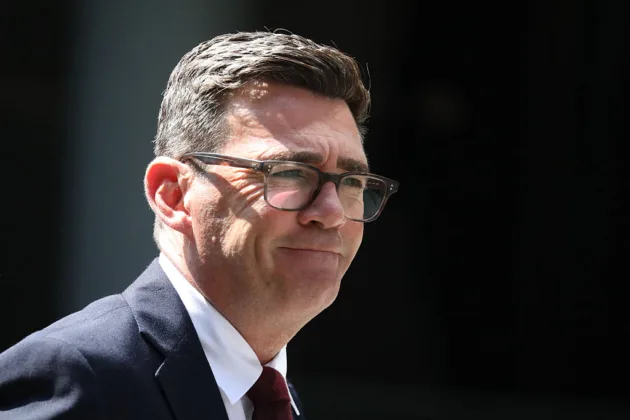
Burnham, the former mayor of Greater Manchester in northwest England, was the only Labour MP to have declared himself a candidate when nominations opened on July 9. He confirmed on social media that he had put his own name forward, saying: “It’s all starting to feel very real.”
Candidates need the backing of 81 of Labour’s 402 MPs to reach the ballot, a threshold Burnham is expected to clear comfortably. Nominations close on July 16.
Should no rival emerge, Burnham would be declared party leader at a special conference on July 17 and would take over from Starmer on July 20 after an audience with King Charles III. A contested race would instead be decided by a ballot of members and affiliated trade unions, with the result due on August 29.
Starmer announced his resignation on June 22 after losing the confidence of his parliamentary party, two years after leading Labour to a landslide general election victory. His time in office was marked by policy reversals, weak economic growth and repeated questions over his judgement.
Burnham returned to the House of Commons in June by winning the Makerfield by-election, a seat vacated to allow his comeback under party rules that restrict leadership candidates to sitting MPs. He had served as an MP between 2001 and 2017 and held cabinet posts under Gordon Brown.
Some 200 Labour MPs posed with him for a photograph in Westminster on the day Starmer stepped aside. Former health secretary Wes Streeting dropped his own leadership ambitions and endorsed him.
Al Carns, a former armed forces minister and the last figure thought likely to stand, ruled himself out on July 8. He said months of Labour infighting were not what the country needed and backed Burnham instead.
The 56-year-old, nicknamed the “King of the North” after three successive mayoral election wins, has promised to apply nationally the model of public and private investment he calls “Manchesterism”. He has also committed to the Government’s borrowing rules and to reducing the welfare bill.
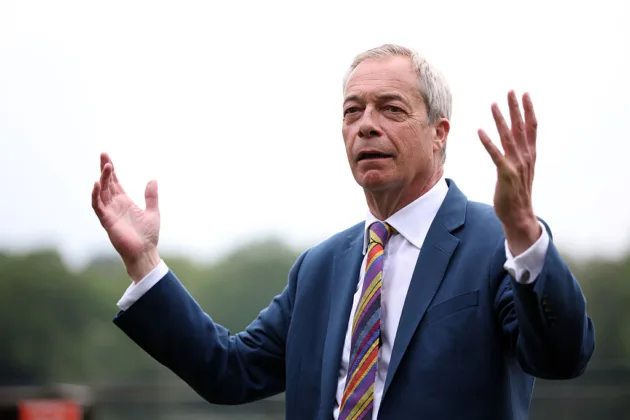
Nigel Farage’s right-wing Reform UK has led national opinion polls for more than a year, though the gap has narrowed in recent weeks. The next general election is expected in 2029.
Whoever takes over would also inherit Starmer’s attempt to reset relations with the European Union, including deals on defence cooperation, food standards and youth mobility.