










Reform UK leader Nigel Farage has demanded a general election after Prime Minister Keir Starmer announced on June 22 that he would resign as leader of the Labour Party.
The right-wing, anti-immigration party has topped national opinion polls for months, piling pressure on Starmer’s centre-left Labour after a series of heavy electoral defeats.
“Reform demands an election, and we are ready to deliver radical change,” Farage said. “If Labour thinks it can shove another professional politician into No 10, it has another thing coming.”
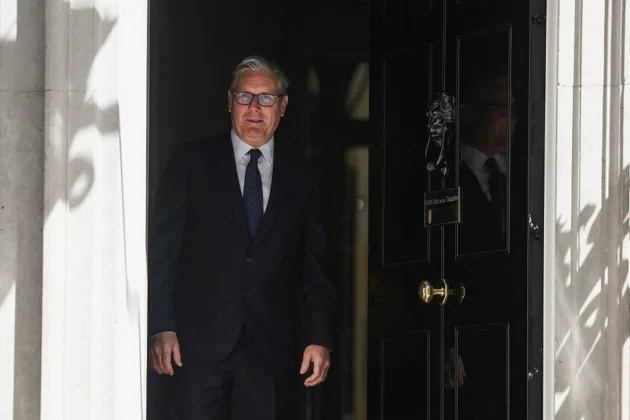
Starmer delivered the announcement in a statement outside 10 Downing Street, saying he had informed King Charles of his decision earlier that morning.
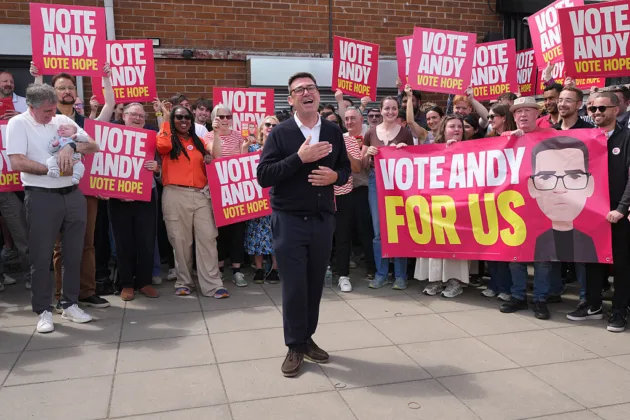
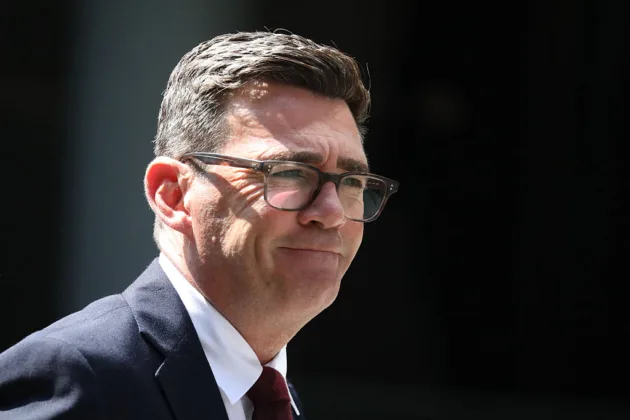
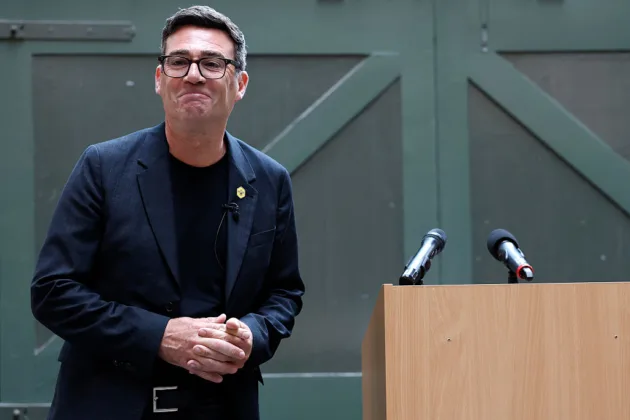
He had vowed for weeks to fight on, though his position collapsed after Andy Burnham, the former mayor of Greater Manchester, won a seat in Parliament and confirmed he would challenge for the leadership.
“I have heard the answer of my parliamentary party to that question, and I accept that answer with good grace,” Starmer said, referring to whether he was best placed to lead Labour into the next election.
The Prime Minister said he would remain in office until his party chose a successor. Nominations would open on July 9 and a new leader could be installed as early as July 16 if Burnham stands unopposed.
There is no legal requirement for Labour to call a general election when it changes leader.
Burnham, who won a by-election in Makerfield, northwest England, on June 18, is the clear frontrunner. His main rival, former health secretary Wes Streeting, withdrew on June 22 and endorsed him, raising the prospect that Burnham could take office without a contest.
Should he succeed, Burnham would become the United Kingdom’s seventh leader in a decade, almost 10 years to the day since Britons voted to leave the European Union.
Labour lost control of 35 councils and nearly 1,500 seats in May’s local elections, while Reform UK, led by Farage and an ideological ally of US President Donald Trump, made sweeping gains across the party’s traditional strongholds.
Trump intervened over the weekend, claiming on social media that Starmer had failed on immigration and energy and urging Britain to expand North Sea drilling.
An Ipsos poll published on June 19 suggested 52 per cent of the British public thought Starmer should stand down, against 35 per cent who wanted him to stay.
Farage, the MP for Clacton, eastern England, accused the Conservative and Labour parties of operating as a “uniparty” determined to deny voters a national say.