






The European Commission has proposed slowing the rate at which the EU carbon market forces companies to cut their emissions, easing the pressure on steel, cement and chemical producers that have complained about the cost of the bloc’s climate rules.
The plan, presented on July 17, would reduce the annual cut in the supply of pollution permits to 3.7 per cent between 2031 and 2035 and to 1.7 per cent from 2036. That compares with the 4.4 per cent rate due to apply from 2028 under existing law.
The Commission said the change would keep permits available into the mid-2040s rather than exhausting the system at the end of the 2030s, while still delivering the EU target of cutting net emissions by 90 per cent by 2040.
Energy-intensive industry would keep free permits until 2038 instead of losing them in 2034, when the bloc’s carbon border levy had been due to take over. Firms would receive 80 per cent of the allowances after publishing a board-approved investment plan, with the remainder handed over only once the spending and the emissions cuts had been delivered.
Companies that shifted production outside the EU would forfeit the free permits altogether, though the cleanest 10 per cent of installations would be exempt from the new conditions.
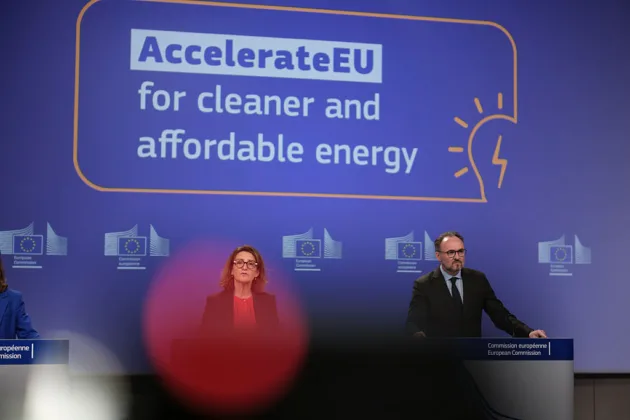
“We are adopting a more business-friendly and, may I say so, savvy approach,” Climate Commissioner Wopke Hoekstra said.
The reform would also halve to 12 per cent the rate at which the market stability reserve mops up surplus permits, leaving more of them in circulation for longer. A permit currently trades at about €79 ($90).
Governments would be obliged to spend at least half their auction revenue on decarbonising the sectors covered by the market. The Commission said only about 5 per cent of the €260 billion raised since 2013 had gone directly to industry.
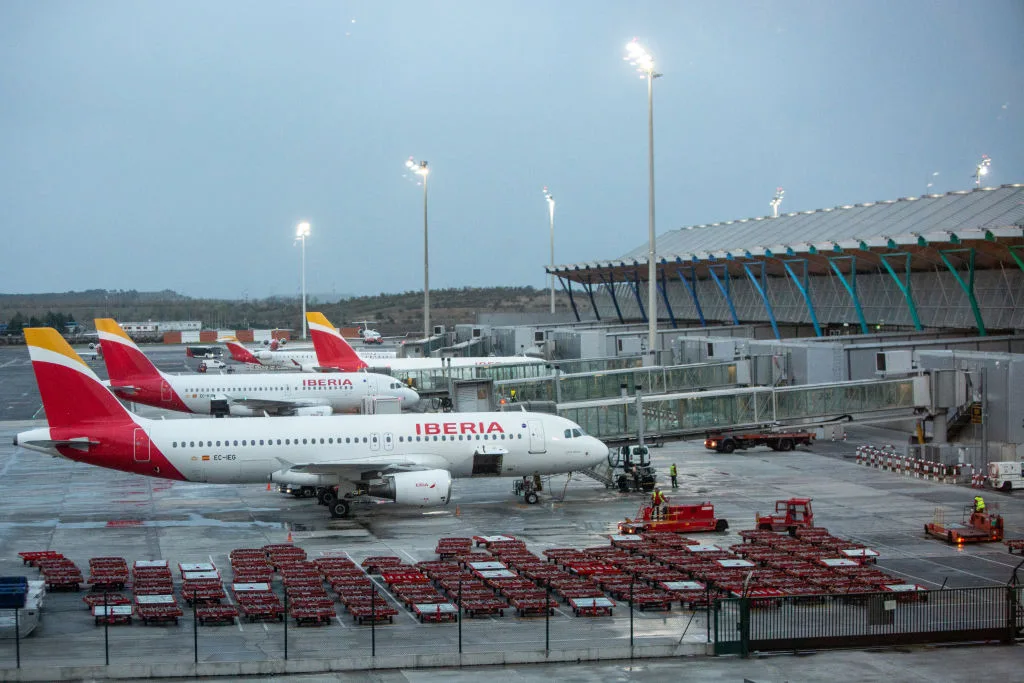
Flights of up to 5,000km linking Europe with airports such as Dubai and Istanbul would enter the scheme from 2029, though routes to the United States and China would stay outside it. Airlines had urged Brussels in June to drop the plan, warning that it risked triggering a trade war.
Municipal waste incineration would be brought into the market from 2031 and ships of 400 gross tonnes would be covered, down from 5,000 at present.
Ten member states, including Poland and Italy, have objected to parts of the package, among them the conditions attached to free permits.
German MEP Peter Liese, the European Parliament’s lead negotiator on the reform, said the existing scheme was “too tight”. Member states and MEPs would start negotiating the final text after the summer break, a process expected to run for about a year.