




Two Finnish ministers have backed Italian Prime Minister Giorgia Meloni’s proposal to suspend Schengen arrangements with Spain over the mass crossings into Ceuta.
Interior Minister Mari Rantanen wrote on X on July 31 that Spain had failed completely to protect the external border of the Schengen area from illegal entry. She said the situation could not be allowed to continue.
Rantanen called on every European country to support the Italian proposal. States that did not meet their obligation to guard the external border could not remain Schengen members, she said.
Finance Minister Riikka Purra, who is also deputy prime minister and leader of the Finns Party, called for Europe to close its doors. She said nobody would be arriving in Finland from what she described as invasions from developing countries encouraged by socialists.
Both ministers belong to the Finns Party, which sits with the European Conservatives and Reformists in the European Parliament alongside Brothers of Italy and Poland’s Law and Justice. Prime Minister Petteri Orpo’s National Coalition Party, the largest party in the Finnish Government, has not endorsed the Italian proposal.
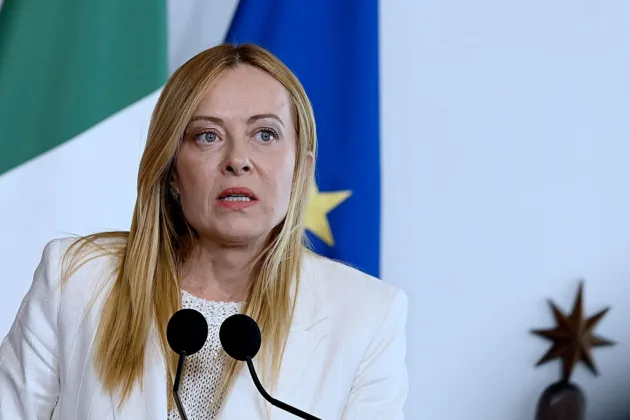
Meloni said on July 30 that Rome was ready to take “extraordinary measures” to defend its borders, including the suspension of Schengen with Spain.
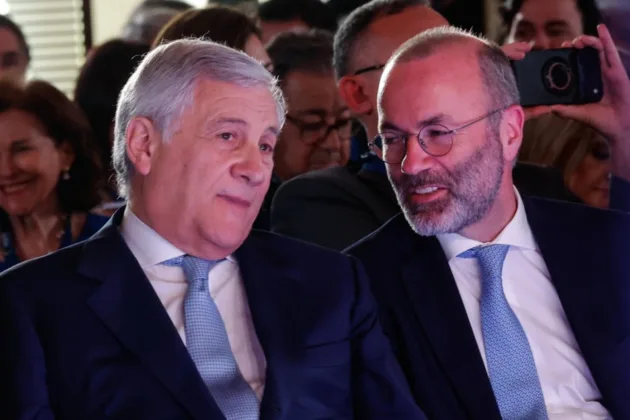
Italian Foreign Minister Antonio Tajani raised the idea first, tying the crossings to a Spanish regularisation decree he called “profoundly wrong”. The measure, approved in April, grants a one-year renewable residence and work permit rather than nationality and is expected to benefit about 500,000 people.
Spanish Foreign Minister José Manuel Albares summoned the Italian ambassador in Madrid, Giuseppe Buccino Grimaldi, in protest. He said the Italian message was unbecoming of a partner and friendly country.
Thousands of people crossed from Morocco into Ceuta on July 30, many of them swimming around the border fence, in what local authorities described as the largest single influx since 2021. At least 18 died in the attempt and Spain deployed the army to reinforce the Civil Guard.
France has also tightened its response. Interior Minister Laurent Nuñez said he had ordered reinforced checks at the Spanish border without delay.
No member state can expel another from Schengen. The Schengen Borders Code allows a country to reintroduce internal border controls temporarily where it identifies a serious threat to public policy or internal security.
The European Commission said it was in contact with Madrid and had offered operational support through Frontex.