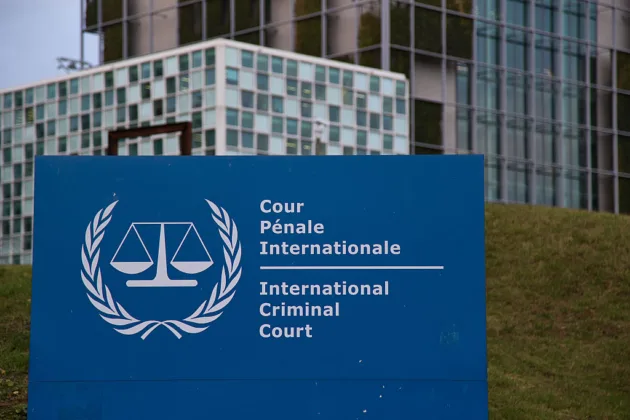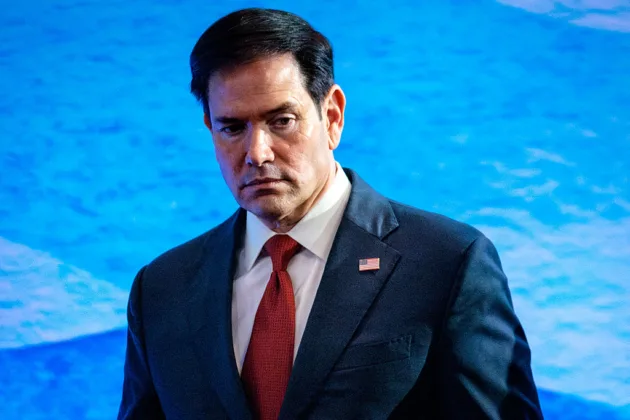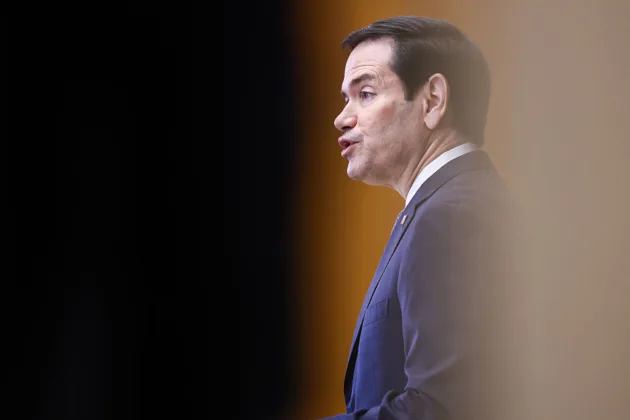






The United States has stepped up pressure on NATO allies over their backing for the International Criminal Court (ICC), widening Washington’s drive to dismantle the tribunal. US Secretary of State Marco Rubio launched the offensive on July 13.
Announcing it, the State Department called on countries that partner with the American military or rely on its security umbrella to reject the court’s claimed authority over US officials and service personnel. It warned that “no diplomatic option will be off-limits” and promised closer scrutiny of governments that refused while relying on US assistance.
The request covers almost the entire alliance. Every NATO member except the US and Turkey is a party to the Rome Statute, the ICC’s founding treaty, as are all 27 European Union member states.
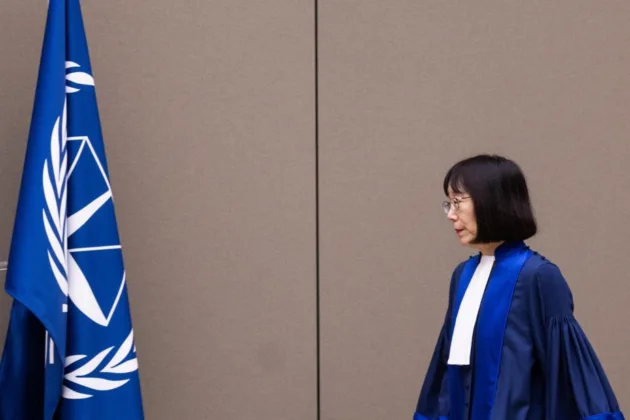
Washington has since escalated. On August 18 it sanctioned ICC President Tomoko Akane and senior trial lawyer Abdoulaye Seye, freezing any US assets they held.
Earlier, Acting Attorney General Todd Blanche had told the court in a letter dated June 29 that the US would not cooperate with any ICC proceeding. He added that Washington would oppose any transfer of Americans to The Hague.
European capitals have pushed back. Dutch foreign minister Tom Berendsen, whose country hosts the court, wrote on X: “International courts and tribunals must be able to freely carry out their mandates.”
European Commission President Ursula von der Leyen and European Council President António Costa said jointly that the court’s judges and officials had to be able to act “independently and without external pressure”. The EU had already reaffirmed its support for the ICC after Rubio’s July announcement.
Slovenia and Spain have urged the Commission to bring the court within the scope of the EU’s blocking statute. The instrument bars European companies from complying with US sanctions Brussels regards as unlawful.
Elsewhere, the pressure has produced results. Venezuela and Chad announced their withdrawal from the Rome Statute on July 24 and July 27 respectively, according to the Coalition for the International Criminal Court, which said Chad’s decision had reportedly been linked to a US request.
Namibia has also confirmed receiving a communication from Washington, though it said it remained a state party, The Rio Times reported on September 9.
In Europe the trend has run the other way. Hungary’s parliament voted on May 27 to keep the country in the ICC, reversing the exit launched under former prime minister Viktor Orbán.
The US signed the Rome Statute in 2000 but withdrew its signature in 2002. Its 2002 American Servicemembers’ Protection Act authorises the president to use “all means necessary and appropriate” to free US personnel detained on the court’s behalf.