

The United States has imposed sanctions on the president of the International Criminal Court (ICC) and one of its senior lawyers, in the sharpest escalation yet of a campaign Washington says is intended to dismantle the tribunal.
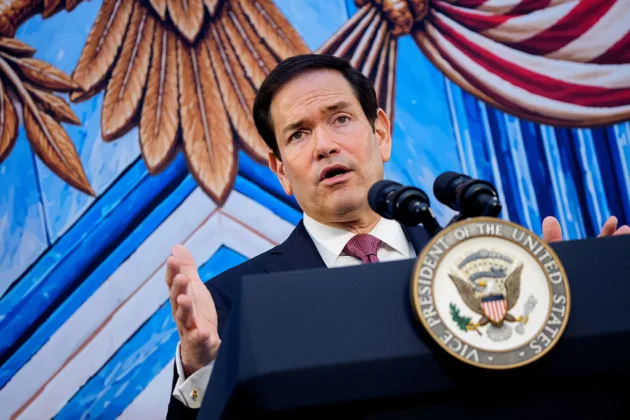
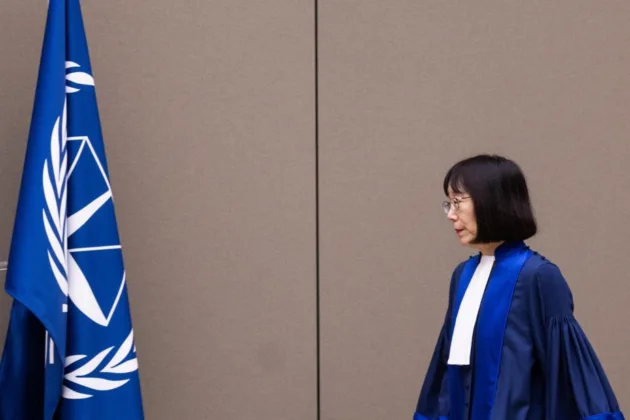
Secretary of State Marco Rubio announced the designations on August 18, naming ICC President Tomoko Akane, a Japanese judge, and senior trial lawyer Abdoulaye Seye of Senegal. Both were listed under an executive order signed by President Donald Trump in February 2025.
Writing on X, Rubio said the measures formed part of “our unwavering mission to protect Americans from this sham of a court”. He invoked the American Declaration of Independence, saying US citizens would never be sent overseas to answer for invented offences.
In a statement published by the State Department, Rubio described the ICC as a corrupt and fatally politicised supranational court that had abused its authority and exceeded its mandate. He said he expected more countries to end their funding of the institution and their participation in it.
The two officials had directly engaged in ICC efforts to investigate, arrest, detain or prosecute officials whose governments had not accepted the court’s jurisdiction, according to the statement, which gave no examples.
The designations freeze any US assets held by Akane and Seye and cut them off from the American financial system, on which almost all internationally active banks depend. The US Treasury issued a licence allowing existing transactions involving the pair to be wound down by September 17.
The court said the measures undermined “the rule of law”, adding that it stood behind its personnel and behind the victims of atrocities.
Dutch foreign minister Tom Berendsen, whose country hosts the court in The Hague, said the Netherlands disapproved of the sanctions and had invited Akane for talks. “International courts and tribunals must be able to freely carry out their mandates,” he wrote on X.
The move puts Washington at odds with almost every EU member state, all of which are parties to the Rome Statute. Slovenia and Spain have previously urged the European Commission to bring the ICC within the scope of the bloc’s blocking statute, which bars European companies from complying with US sanctions Brussels regards as unlawful.
Washington launched its diplomatic offensive against the court in July, calling on partners to withdraw from it. Chad and Venezuela have since announced their departure, while Hungary reversed its own planned withdrawal after Péter Magyar took office in April.
The United States signed the Rome Statute but never ratified it. Israel and Russia are not members either.