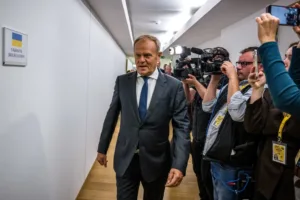





Ceuta President Juan Jesús Vivas has accused Morocco of a sustained policy of harassment against the Spanish city and has asked the European Union to tell Rabat that cooperation begins with respecting the border, breaking with the Spanish Government’s insistence that Morocco is a trusted partner on irregular migration.
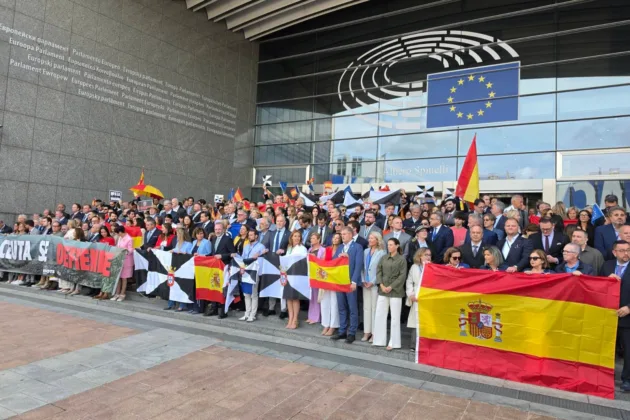
Vivas spoke at a press conference in the European Parliament on September 8. He said Ceuta and Melilla, the only land borders the EU has in Africa, should be granted a special status and that the European Pact on Migration and Asylum should be adapted to their circumstances.
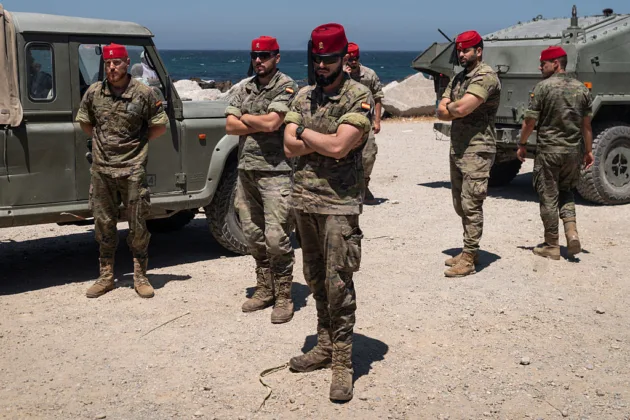
He described Ceuta as a pressure cooker that could go off at any moment, saying security, public services, the economy and community relations had all been strained since about 72,000 people crossed from Morocco on July 30-31. Spain’s interior ministry gave that figure on August 4, while the city government and some officials have used a number closer to 80,000.
At least 83 people died on the Spanish side, according to the Guardia Civil, while the NGO Caminando Fronteras has counted 145 including bodies recovered in Moroccan waters.
Vivas said Rabat was using border controls and migratory pressure to challenge Spanish territorial integrity and to overwhelm the city’s reception services. He asked the European institutions to press Madrid to set out a defined returns plan, with a firm date, for the third-country nationals still in Ceuta, among them unaccompanied minors.
He also called for a permanent Frontex and European Union Agency for Asylum presence in the city and for European money to build border infrastructure, arguing that control of the frontier should rest with Spain and Europe rather than with a neighbouring country.
Asked about the National Police report before investigating judge María Tardón, which describes Moroccan officers directing the crossing, Vivas said the Spanish Government should explain why it refused to hold Rabat responsible, whether by action or omission. He stopped short of asking for EU funding to Morocco to be suspended, a demand made in recent days by Vox.
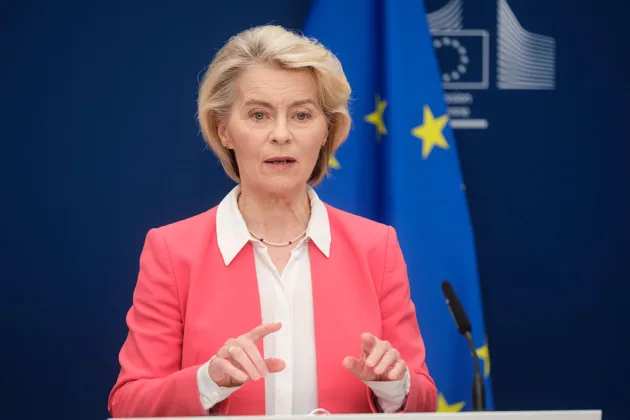
The European Commission committed €222 million to Moroccan migration management between 2021 and 2024 and expects to provide a further €190 million by the end of 2027.
Vivas met home affairs and migration commissioner Magnus Brunner and Mediterranean commissioner Dubravka Šuica later on September 8, as well as the team of defence commissioner Andrius Kubilius. He said the Commission had voiced support but entered into no specific commitments.
Two technical missions are due in Ceuta and Madrid this week to assess needs and speed up the response to Spanish requests for Frontex reinforcements and emergency funds. Centre-right European People’s Party lawmakers applauded Vivas, who warned that if Ceuta fell, Europe would fall with it.