


A Moroccan man detained with a loaded Kalashnikov at Brussels-Midi station has been remanded in custody on suspicion of membership of a criminal organisation, the Brussels public prosecutor’s office has confirmed.
The 23-year-old travelled to Belgium from France and holds a Spanish residence permit, Het Laatste Nieuws reported. He was due before the Brussels pre-trial chamber on September 9, which will decide whether he stays in detention.
Customs officers singled him out at about 9.30am on September 3 after he appeared nervous and seemed to be avoiding a check. He was separated from a group of Eurostar passengers and searched, and the rifle was found in a sports bag under baby and children’s clothing.
He was carrying 30 rounds with the weapon, according to the same account. He faces preliminary charges of belonging to a criminal organisation and possession of a prohibited weapon.
Belgian police have ruled out a jihadist motive, Le Soir reported. Investigators are instead examining whether the man is connected to the networks fighting over the capital’s drug trade.
One line of inquiry is the so-called Mocromafia, a loose set of criminal groups of Moroccan origin that dominate street distribution in Belgium and the Netherlands. Balkan organisations control much of the cocaine arriving through Antwerp, Europe’s second-largest port, and have been pushing into those distribution networks.
That turf war has driven a sustained rise in gun crime. Brussels recorded more than 100 drug-related shootings in 2025 and at least 69 in the first eight months of this year, with chief prosecutor Julien Moinil warning in late August that he was still working with limited resources.
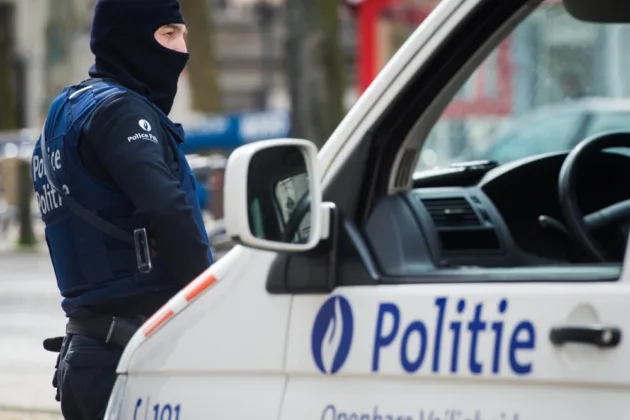
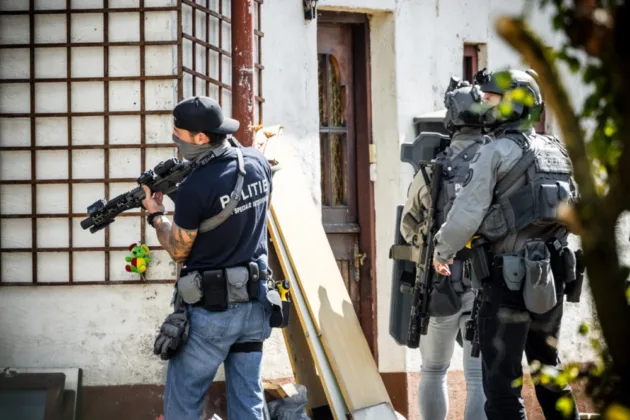
Soldiers were deployed alongside police in the capital’s stations and metro stops at the end of August, after a cluster of shootings in Saint-Gilles and Anderlecht that included automatic gunfire directed at a police station.
Belgian interior minister Bernard Quintin said the arrest showed the joint patrols were necessary and should be kept in place or widened. Brussels regional minister-president Boris Dilliès made a similar argument.
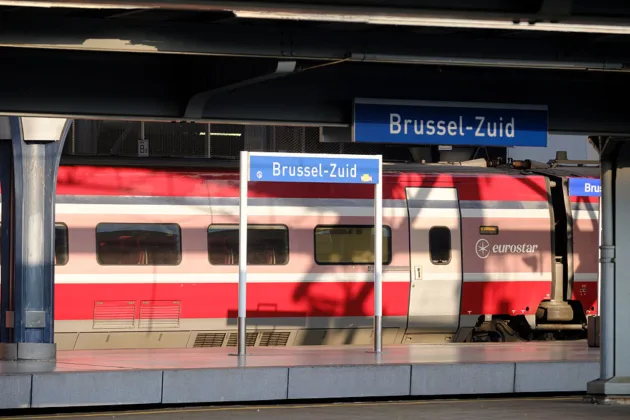
Midi is Belgium’s busiest international rail hub and the terminus for Eurostar services from Paris and London. The district around it has long been associated with drug dealing and street crime.
Spanish media have concentrated on the residence permit, which allows the holder to travel freely inside the European Union’s border-free area. Belgian authorities have not said how long the man had been in the country or how the weapon reached France.