


The decision by the Friedrich Naumann Foundation for Freedom to award its 2026 Freedom Prize to the people of Iran is both welcome and deserved.
Few nations have sacrificed more for the cause of freedom over the past century. From the Constitutional Revolution to the struggle against monarchy, and from resistance to clerical tyranny to today’s courageous protests and political prisoners, generations of Iranians have paid a heavy price in pursuit of popular sovereignty, the rule of law and representative government. As the foundation rightly recognises, the true protagonists of Iran’s democratic struggle are not political personalities, parties or factions, but the Iranian people themselves.
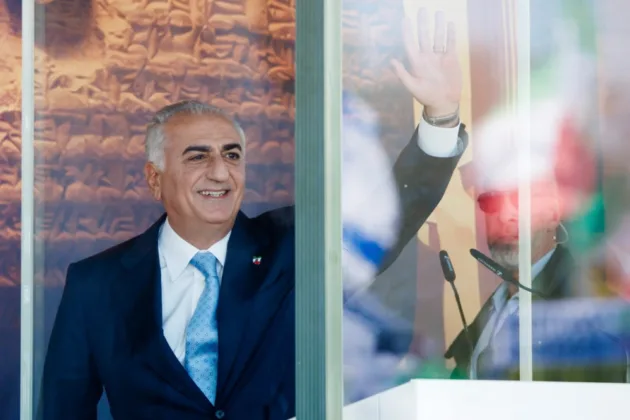
That is precisely why the foundation’s decision to have Reza Pahlavi receive the prize “in trust” on behalf of the Iranian people, at a ceremony in Frankfurt’s Paulskirche on November 7, is so troubling.
This is not a personal matter, nor is it a question of inherited guilt. The concern is political and contemporary: Pahlavi has openly embraced the record of the Shah’s rule and promotes an authoritarian vision incompatible with the liberal values this prize is intended to honour.
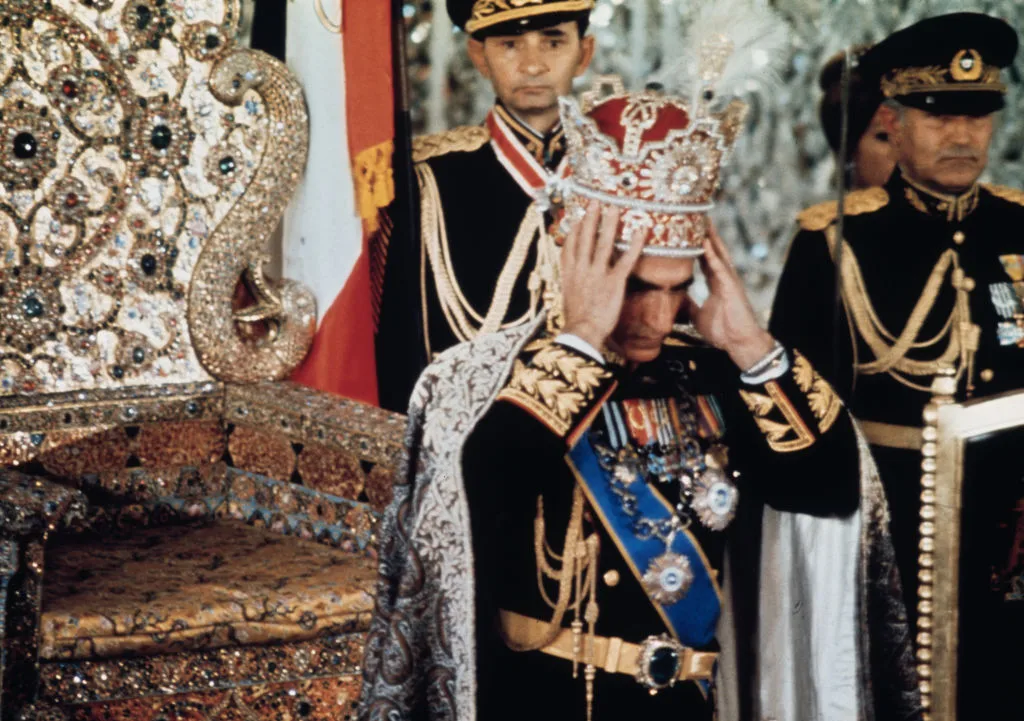
The foundation deserves credit for understanding a fundamental truth about Iran’s contemporary history. The struggle for freedom in Iran did not begin with opposition to the present regime. It also encompasses resistance to the 53-year Pahlavi monarchy that preceded it. Millions of Iranians did not oppose one dictatorship merely to exchange it for another. They sought a political order in which sovereignty belongs to the people.
The historical record of the Shah’s rule is not a matter of partisan interpretation. Political pluralism was suppressed. Opposition organisations were banned. Dissent was criminalised. SAVAK, the intelligence service that acted as the Shah’s secret police, became notorious for surveillance, imprisonment, torture and repression. The revolution of 1979 ended that system. Tragically, the clerical regime that replaced it proceeded to betray the democratic aspirations of the Iranian people and established an even more repressive dictatorship.
That history matters because Pahlavi has not merely failed to distance himself from the political legacy of the monarchy; he has openly endorsed it. In recent public interviews, he has expressed pride in the legacy he represents and defended his father’s record. The issue is not filial affection, but the active rehabilitation of an authoritarian system whose suppression of pluralism and dissent should be irreconcilable with a prize bestowed in the name of freedom.
There are also broader concerns. Liberal democracy is not merely about promising elections at some point in the future. It is equally about limiting power, protecting institutions and ensuring accountability during political transitions. Recent proposals advanced by Pahlavi for a post-clerical transition would place extensive authority in the hands of a single unelected leader. Whether intentional or not, such arrangements raise legitimate questions about checks and balances, separation of powers and democratic oversight at precisely the moment when they are needed most.
Nor can democrats ignore the increasingly troubling behaviour displayed by some of his supporters. The public display of SAVAK symbols, reported in May by RFE/RL’s Radio Farda at royalist rallies in Regensburg, southeast Germany, Manchester and Copenhagen, and the harassment of Iranian dissidents who oppose both the clerical regime and a restoration of monarchy should alarm anyone committed to political pluralism. Freedom of expression cannot coexist with intimidation, and democracy cannot be built upon nostalgia for institutions associated with repression.
At its heart, though, the issue is how to honour the Iranian people without lending democratic legitimacy to an authoritarian political project.
The foundation itself has stated that the prize should ultimately be entrusted to “the freely elected representatives of Iran”. Until such representatives can be chosen, it could instead be received collectively by a diverse group of Iranian human rights defenders, former political prisoners, families of victims and civil society figures. They would receive it as witnesses to the Iranian people’s struggle, not as self-appointed political representatives. The foundation could also designate an individual recipient for a documented record of defending human rights, while making clear that no mandate to speak for Iran’s future is being conferred.
The people of Iran have earned this recognition through more than a century of struggle and sacrifice. They deserve to receive it free from any implication that a particular political figure has been designated as their representative. Their future remains for them alone to decide.
A prize intended to celebrate the Iranian people’s struggle against dictatorship should not become associated with the rehabilitation of a dictatorship they already overthrew. It should remain what the foundation originally intended: A tribute to a nation’s long quest for liberty, and to the democratic principle that sovereignty belongs neither to a Shah nor to a Supreme Leader, but to the people themselves.