


The European Commission has urged French authorities to keep their response to the country’s school protests proportionate, particularly where minors are involved, after a fortnight of blockades that has left more than 1,000 people injured.
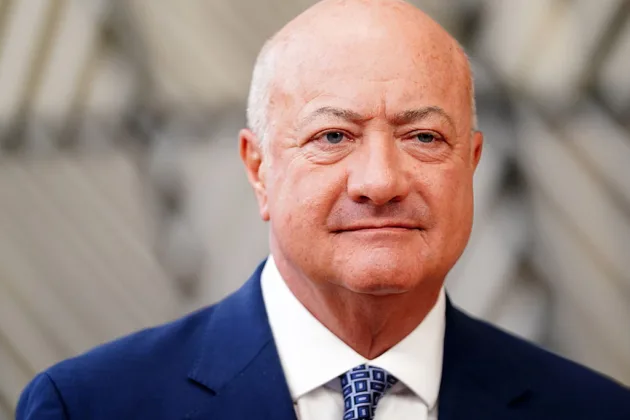
Glenn Micallef, the European Commissioner for Intergenerational Fairness, Youth, Culture and Sport, said in a post on social media on October 6 that teenagers suffering life-changing injuries during demonstrations should trouble everyone. Authorities had a duty to maintain order, he said, but their response had to be measured.
The Maltese commissioner said young people were entitled to voice concerns about their schools, their prospects and their future, and that those grievances deserved a hearing. Violence against police officers, school staff or public property could never be justified, he added.
Micallef said democracy had to reconcile the right to protest, the duty to do so peacefully, the obligation to keep people safe and the need to listen before frustration turned into confrontation. He said he hoped attention would now return to what had driven young people onto the streets in the first place.
Policing is a national competence and the Commission has no authority over how French forces handle demonstrations, a point the commissioner did not address.
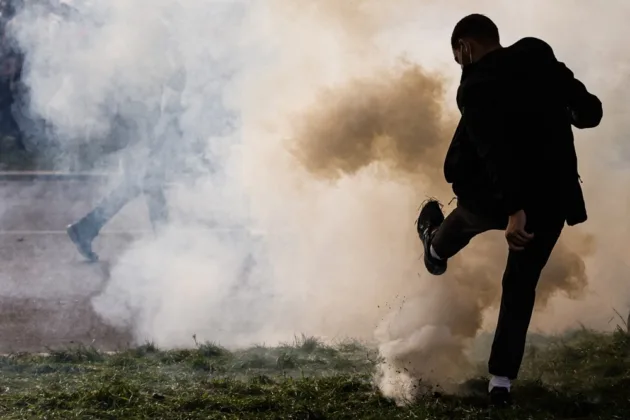
His intervention followed fresh marches on October 6, when between 250,000 and 400,000 pupils and students took to the streets of the main French cities, according to government and organisers’ figures respectively. There were further clashes with security forces in Paris and Rennes.
French Prime Minister Sébastien Lecornu has put the toll since the movement began in late September at 215 pupils and around 85 teachers injured, alongside 715 police officers and gendarmes. France suspended lessons at hundreds of secondary schools as the blockades spread out of the Paris region and across the country.
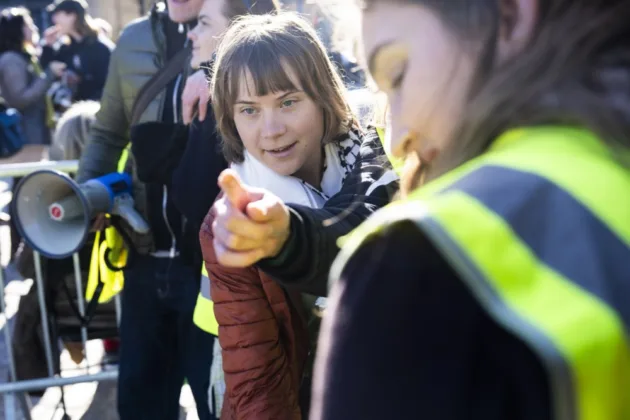
The protesters are demanding more money for state education, replacements for absent teachers, smaller classes and repairs to dilapidated buildings. The French Government has accused the left-wing France Unbowed (LFI) of encouraging the blockades, which the party denies.
France’s National Consultative Commission on Human Rights has also voiced grave concern at what it described as a disproportionate use of force, and has urged ministers to open a dialogue with young people.
Prosecutors have meanwhile charged with assault the officer who fired a grenade launcher at close range outside a vocational secondary school in Saint-Ouen-l’Aumône, in the Val-d’Oise north of Paris, on September 28. The 14-year-old struck suffered a double fracture of the jaw and lost several teeth.
The unrest comes seven months before a presidential election in which Emmanuel Macron cannot stand again, with Lecornu, his fifth prime minister in two years, still trying to steer a budget through a divided parliament.