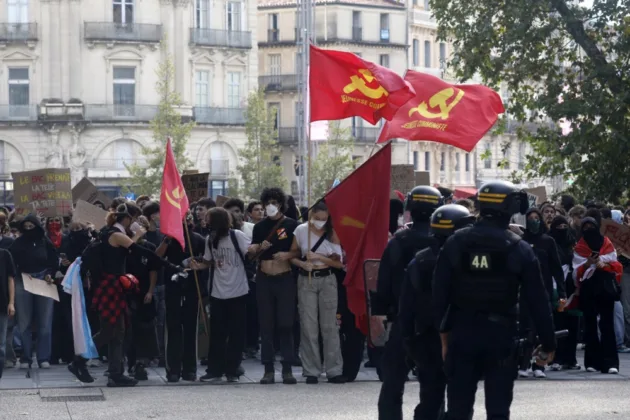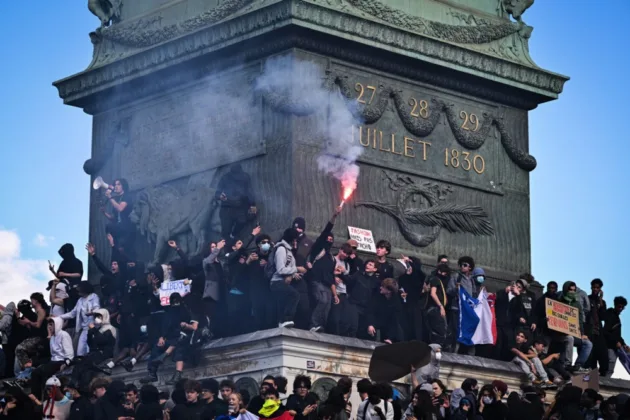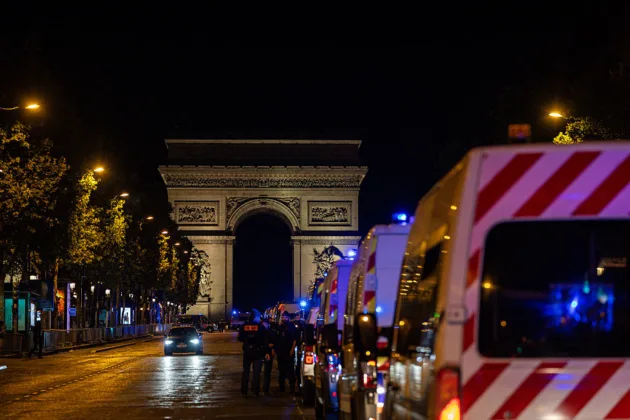




Police in Paris have banned all marches and gatherings across much of the French capital for most of October 22, two days before a fresh nationwide mobilisation called by the “yellow vests” and student unions.
The order, issued by the city’s police prefecture on October 21, runs from 8am to 8pm. It covers the Élysée Palace and Matignon, the offices of the president and the prime minister, along with the National Assembly and the Senate.
Also inside the perimeters are the Louvre, the Champs-Élysées, place Vendôme, the main department stores, place de la Bastille, Châtelet-Les Halles and most of the capital’s railway termini. Anyone joining a banned gathering in those areas faces a fine of €135.
A second order blocked the student march declared for the same day between the Pitié-Salpêtrière hospital and place de la Bastille. The prefecture said the organisers had been unable to prevent violence at the demonstrations of October 13 and 17.
Police also pointed to radical groups pursuing a strategy of confrontation with the security forces. The Paris transport operator closed nine metro stations from 10am at the prefecture’s request.
The Interfac IDF student collective said it would not be cowed and lodged a legal challenge, leaving the courts to confirm or annul the ban.
The restrictions follow a weekend of rioting in which nearly 2,400 people were arrested, about 1,000 police officers and gendarmes were injured and some 3,000 businesses were damaged or looted. The French Government responded with localised curfews, which were extended in several cities after a calmer night.
Prime Minister Sébastien Lecornu said on October 20 that the policing of the October 24 protests would be far larger and more mobile than previous deployments. The government has said soldiers could be used to guard sites and free up police officers.
School protests that began in September over overcrowded classrooms and crumbling buildings have since merged with yellow vest anger at living costs and fuel prices. Trade unions, parents and pensioners have joined in.
The unrest now shadows a 2027 budget that seeks €54 billion in savings through spending restraint and tax rises. France is the European Union’s second-largest economy and has repeatedly breached the bloc’s rules on deficits and debt.
Public debt reached roughly 119 per cent of gross domestic product in the second quarter and borrowing costs are at their highest in more than two decades. The government wants the deficit cut to 5 per cent of GDP from 5.4 per cent.
A vote on the budget is expected on November 3, with a nationwide strike called for November 5. President Emmanuel Macron faces a winter of disorder before the presidential election next spring.