











Israel’s opposition bloc has nominated former minister Matan Kahana to replace the speaker of the Knesset, a move that depends on the votes of Arab-led parties.
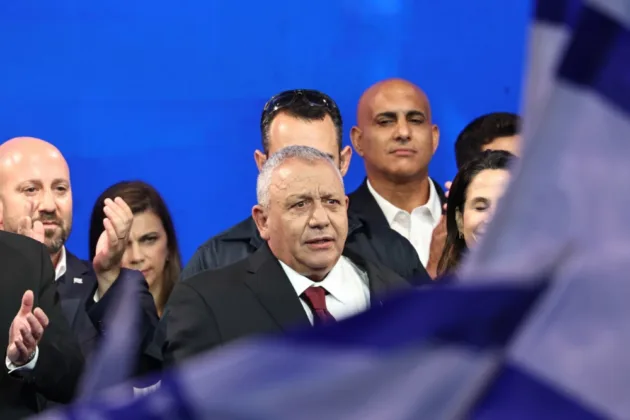
The bloc agreed on Kahana on November 10 after days of negotiations, as the 26th Knesset was sworn in. He belongs to Yashar, led by former military chief of staff Gadi Eisenkot, which won 21 seats in the October 27 election which left neither camp a majority.
The deal also involved Naftali Bennett’s B’Yachad, Yair Golan’s Democrats and Avigdor Liberman’s Yisrael Beytenu. Bennett and Liberman had initially backed former prime minister Yair Lapid, number two on the B’Yachad list, though Eisenkot insisted the post stay with his own party, according to The Times of Israel.
Under the arrangement, Liberman, a former defence minister, would chair the influential foreign affairs and defence committee.
The speaker is elected by a simple majority in an open plenary vote. The Jewish-led opposition parties hold 48 seats, meaning they would need the 19 held by the Arab-led Joint List and United Arab List (Ra’am) to unseat incumbent Amir Ohana of Likud.
Ahmad Tibi, a leader of the Joint List, told public broadcaster Kan that his faction would vote for Kahana. He called replacing the speaker the first crucial step towards change.
Tibi has previously offered to back an Eisenkot-led government from outside the coalition in exchange for commitments to the Arab community. Finance Minister Bezalel Smotrich objected to the reliance on Arab votes and urged Kahana to refuse the post if it rested on them, Israeli media reported.
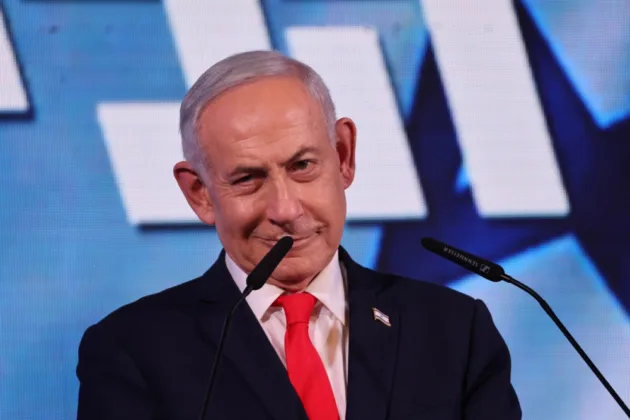
Ohana, a close ally of Prime Minister Benjamin Netanyahu, confirmed later on November 10 that the vote would be held on November 17. He said 67 lawmakers had signed the request, which he called unusual, after pledging to bring the session forward if at least 61 did so.
Ohana said he would respect the will of the majority despite his strong opposition to the bloc’s agenda. He claimed the early vote was meant to advance legislation handing immense power to the attorney general at the expense of elected leaders.
Kahana, a former Israeli Air Force fighter pilot, served as minister of religious services in 2021-2022. He moved through several right-wing parties before joining Yashar in September 2025.
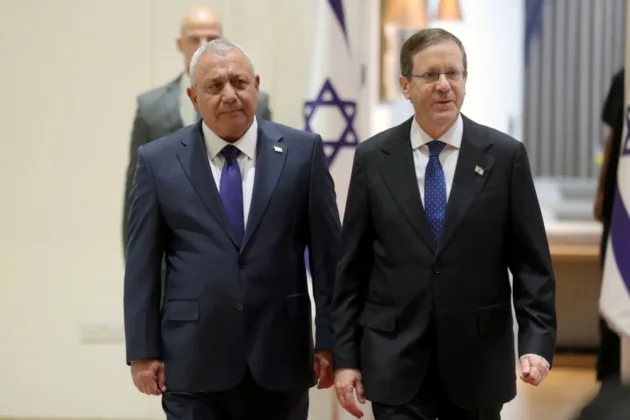
President Isaac Herzog handed Eisenkot the mandate to form a government on November 8 after parties representing 67 lawmakers recommended him. He has 28 days to build a coalition, with a possible 14-day extension.
Eisenkot has said he would not swear in a new government until Ohana was replaced, according to Ynet. He reportedly fears the speaker could delay a confidence vote and give Likud time to pressure potential defectors.