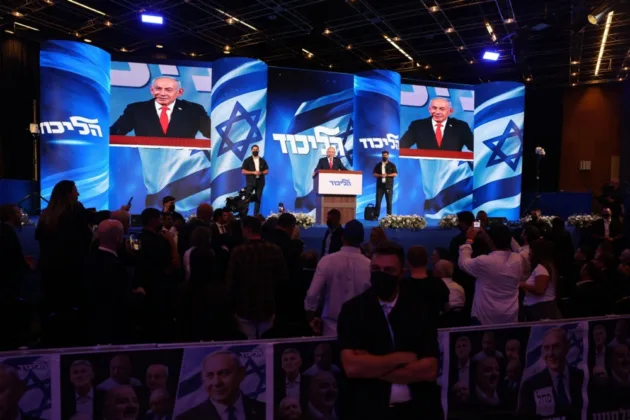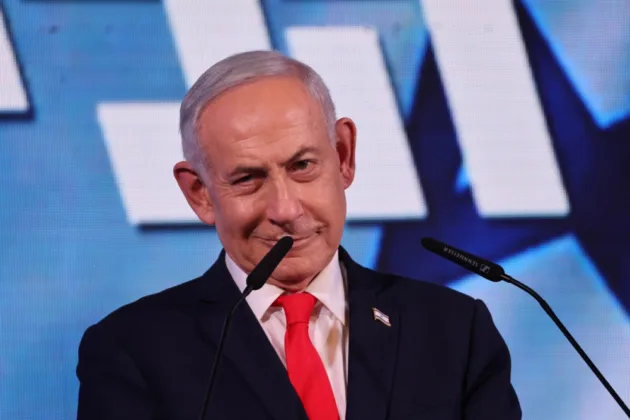




Israel’s Central Elections Committee (CEC) has today formally certified the results of the October 27 parliamentary election, throwing out widespread allegations of voting fraud and foreign interference pushed by Prime Minister Benjamin Netanyahu and his Likud party.
The statutory election body, chaired by Supreme Court Justice Noam Sohlberg, announced that an exhaustive review of formal complaints submitted by candidates, party lists and individual citizens had uncovered no systemic irregularities that compromised the integrity of the ballot.
The committee’s five-member presidium approved the results with Sohlberg’s casting vote after Likud and Shas abstained.
Likud MK Amit Halevi resigned from the committee, alleging that some lawmakers had “bought their seats with bribe money”.
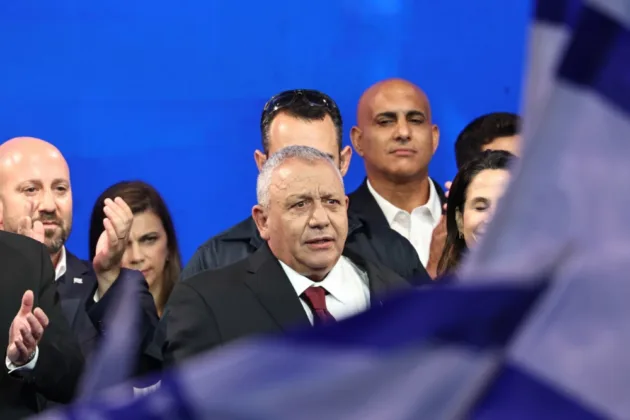
The rejection clears the way for the official parliamentary tallies to be presented to President Isaac Herzog later today, locking in a 67-seat anti-Netanyahu majority across the 120-seat Knesset and handing Yashar! leader Gadi Eisenkot the primary path to forming a coalition government.
Netanyahu’s bloc won 53 seats, down from 68 in the outgoing parliament. Eisenkot’s bloc secured 48 and the Arab-led parties Ra’am and the Joint List a record combined 19.
The decision follows several days of political turmoil after Netanyahu claimed the election was being “stolen”, pointing to high Arab voter turnout and allegations of illicit foreign financing.
Arab voter participation nearly doubled from the previous election, resulting in a much higher representation in the Knesset.
Likud’s campaign machinery had specifically targeted Arab-majority towns, alleging bribery, forgery and intimidation at polling stations and claiming that Qatari money had been funnelled to Arab-led parties.
Police arrested three activists carrying envelopes of cash as polls opened on October 27 and four more suspects two days later, saying they were linked to Ra’am. The party has denied any involvement and Qatar has rejected the allegations.
Netanyahu went as far as publicly questioning a visit by Joint List lawmaker Ahmad Tibi to Doha four days before the vote.
The prime minister’s claims were challenged by domestic security and electoral officials.
According to Hebrew news site Ynet, acting committee director-general Dean Livne released a statement on October 30 explicitly dismissing reports of targeted ballot manipulation as “entirely unfounded”, stressing that the probe did not concern any particular community and confirming a national turnout of 77.9 per cent.
Simultaneously, the Shin Bet domestic security agency took the rare step of pushing back against political weaponisation of an internal inquiry.
Shin Bet chief David Zini had briefed Netanyahu, Eisenkot and Yesh Atid leader Yair Lapid on a probe into suspected foreign funding of efforts to boost Arab turnout. The agency described the investigation as “focused and limited” and its sources said it would not affect the result.
Today, though, Zini handed the committee a written summary stating that foreign funding and influence operations involved “thousands of people, and possibly more”. Sources told Ynet the figure rested on intelligence rather than evidence.
Police also found no evidence to support Likud’s claims, according to Israel Hayom.
Arab lawmakers pushed back against what they termed an incitement campaign aimed at disenfranchising minority citizens.
Joint List leader Yousef Jabareen stated on X: “Netanyahu was defeated at the ballot box. No incitement campaign will change the voters’ decision.”
Tibi mocked Netanyahu’s Qatari accusations, noting on X that Israeli police investigations into Qatari lobbying links had previously focused on the prime minister’s own aides rather than parliamentary candidates.
Political analysts noted that Netanyahu’s fraud narrative was designed to raise the political cost for right-leaning opposition figures, such as Naftali Bennett or Avigdor Liberman, of entering a broad coalition that relies on outside parliamentary backing or agreements with Arab parties.
With the certification finalised and Sohlberg dismissing Likud’s legal motions, the transition process moves to the presidential residence, where Herzog is due to begin consultations with party leaders before formally issuing the mandate to build Israel’s next government.