


Spain’s foreign ministry has used an exceptional procedure to appoint consuls in eight cities that are home to most of the voters created by the so-called grandchildren law, Spanish daily ABC has reported. The report came on November 26, three days before a snap general election.
According to the newspaper, foreign minister José Manuel Albares directly named the consuls in Buenos Aires, Havana, Mexico City, Caracas, Paris, Miami, New York and Los Angeles. For those posts, his Ministry of Foreign Affairs, European Union and Cooperation did not need the non-binding proposal of the Junta de la Carrera Diplomática, the board that vets diplomatic postings.
Such posts are marked with an asterisk in the Boletín Oficial del Estado, Spain’s official gazette, and in an October 2026 ministry document classifying diplomatic posts abroad. ABC said the appointments were made in 2024 and 2025, after the general election of July 23, 2023, as the nationality provision of the 2022 Democratic Memory Law was being rolled out.
That provision allows descendants of Spaniards who went into exile during the 1936-39 civil war and the Franco dictatorship to claim citizenship. By July 1 this year, the overseas electoral register stood at 2,736,522, up from 2,328,260 at the 2023 election.
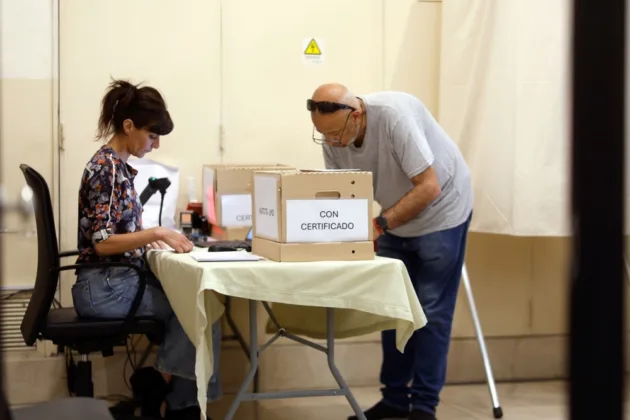
Consulates handle nationality files, the registrations that feed the overseas electoral roll and the custody of ballots cast abroad. Citing the report, Spanish civic foundation Fundación para la Libertad said the ministry had replaced eight ambassadors and 33 of the 43 consuls general in 10 countries since the last general election.
Those 10 countries account for more than two million overseas voters, almost three-quarters of the external electorate, the foundation said.
Career diplomats had already objected to the practice. In February 2025, their representatives on the board protested after the minister raised the number of posts he could fill at his own discretion to 34, adding the consulate general in Mexico, online newspaper The Objective reported.
The issue is sensitive because the Supreme Court has suspended the votes of citizens naturalised through the law’s presumed-exile route. On October 12, the court upheld that suspension, affecting 163,020 people on the overseas roll who cannot prove an ancestor’s exile.
Albares, who heads the Spanish Socialist Workers’ Party (PSOE) list for Cádiz in the November 29 election, insisted on November 24 that every consul was complying fully with the court’s orders. He said ballots from excluded electors were being kept apart, as required.
The minister has also accused the centre-right Partido Popular (PP) and the right-wing Vox of running a harassment campaign against consuls, which he said had included publishing their names and photographs.
Turnout among Spaniards abroad was 9 per cent in 2023.