



Lithuania has officially withdrawn from the Convention on Cluster Munitions, an international treaty prohibiting the production and distribution of the controversial weapons.
The Seimas, or legislative branch of government, had voted to withdraw from the convention in July last year. A few months later, Lithuania submitted the required documents to the UN, triggering a six-month withdrawal period.
On March 6, the decision officially came into effect, coinciding with a growing push for improved European defence and increasing antagonism between Russia and the European Union.
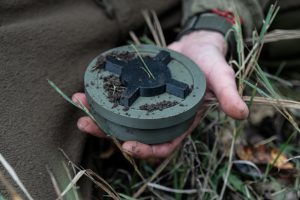
Cluster munitions are a type of explosive weapon designed to disperse multiple smaller submunitions, or bomblets, over a wide area. They can be delivered by aircraft, artillery or missiles and are intended to target enemy personnel, vehicles and infrastructure.
Designed to cover large areas, they can be highly destructive in open battlefields.
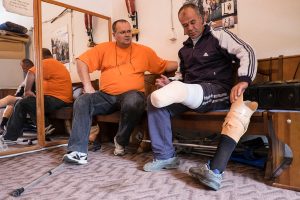
Many bomblets fail to detonate upon impact, though, effectively turning them into unexploded ordnance (UXO) posing long-term threats to civilians.
Due to their indiscriminate nature and long-term danger to non-combatants, many countries joined a ban on cluster munitions under the Convention on Cluster Munitions (CCM).
Some countries, including the US, Russia, Ukraine and China, never signed the treaty, though.
Russia has used cluster munitions extensively throughout the war with Ukraine while Kyiv’s forces have also deployed them, with the US supplying the weapons since the summer of 2023.
Lithuania withdrew from the convention, citing their use by Russia and emphasising the need for all available means of deterrence.
The Lithuanian Government pledged to minimise the potential negative consequences of using these weapons, particularly by developing a system for the rapid collection of unexploded ordnance following any military operation.
In addition to pulling out of the CCM, the country was considering withdrawing from the Ottawa Convention on the Prohibition of Anti-Personnel Mines and said it planned to decide on that within the next few months.
“I think that we will have the final decision in the spring,” Lithuanian defence minister Dovile Sakaliene said regarding the treaty on land mines.
Lithuania borders both Russia and Belarus.