



Iran and the United States have moved closer to signing a 14-point memorandum of understanding (MOU) intended to defuse the Middle East crisis, even as fresh US strikes near the Strait of Hormuz have raised fears for the fragile ceasefire.
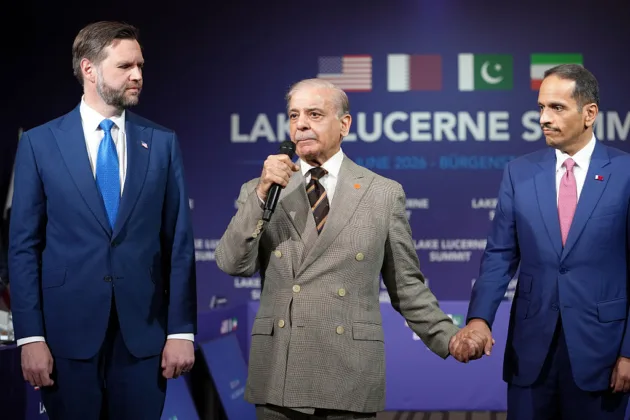
The document, which would run for 60 days and could be extended by mutual agreement, is not a peace treaty but would postpone a resumption of hostilities and would also cover Lebanon. Pan-Arab broadcaster Al Arabiya has said the text could be named the “Islamabad Declaration” in recognition of Pakistan’s mediating role.
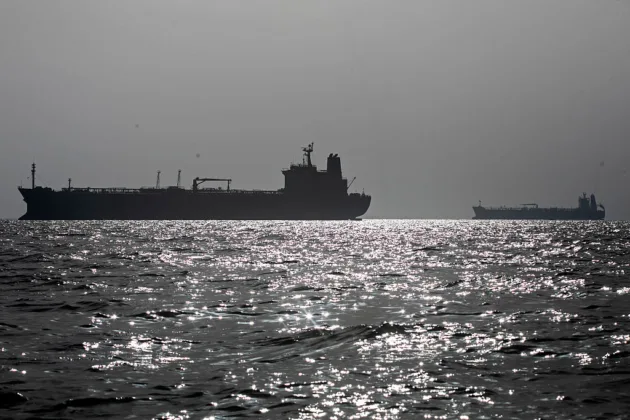
European countries are also preparing to take part in the demining of the strategic waterway, through which around 20 per cent of the world’s oil and gas transits.
TERMS OF THE AGREEMENT
Under the draft, Tehran would commit to reopening Hormuz without imposing tolls and to removing the naval mines placed on the seabed. The reopening would be progressive and would take place in exchange for Washington lifting the blockade imposed on Iranian ports since April 13.
US Central Command (CENTCOM) said on May 23 that its forces had turned away more than 100 commercial vessels and disabled four since the blockade began. The US would also grant exemptions allowing Iran to sell oil freely.
Iran has demanded the lifting of all sanctions and the release of Iranian funds frozen abroad. The Trump administration has tied these demands to a broader nuclear agreement.
NUCLEAR AND MISSILE TALKS
Some 30 days after the MOU comes into force, talks would open on the Iranian nuclear and ballistic missile programmes and on the handover of highly enriched uranium.
The text would include a commitment by the Islamic Republic never to develop nuclear weapons and to negotiate the suspension of its enrichment programme and the elimination of its stockpiles, estimated at around 440kg.
US Secretary of State Marco Rubio said during a visit to India on May 25 that a deal was still a “work in progress”, adding: “We’re either going to have a good agreement or we’re going to have to deal with it another way.”
STRIKES STRAIN THE TALKS
The diplomatic track has been tested by fresh military action. On May 26, CENTCOM said US forces had carried out “self-defence” strikes against Iranian targets in response to what officials described as 24 hours of missile, drone and small-boat launches by the Islamic Revolutionary Guard Corps (IRGC) near the strait.
Iran’s foreign ministry accused Washington of “a clear violation of the ceasefire in the Hormuz region” and threatened retaliation. Despite the strikes, an Iranian delegation led by Parliament Speaker Mohammad Bagher Ghalibaf travelled to Doha for further talks with Qatari mediators, with US envoys participating remotely.
On the Lebanese front, Israel has reserved the right to strike its northern neighbour if the pro-Iranian militia Hezbollah tries to rearm or attack the Israeli State. Iran has insisted that any peace deal must include a halt to fighting on all fronts, including in Lebanon, where Israeli air strikes have continued in defiance of a separate US-brokered ceasefire.
EUROPEAN INVOLVEMENT
European governments, among the most affected by the closure of Hormuz, are preparing to join the demining effort. The closure of the strait since February 28 has weighed heavily on European energy markets, with member states facing higher gas prices and shipping disruptions throughout the spring.
The British Royal Navy has the RFA Lyme Bay ready to set sail from Gibraltar to coordinate with the HMS Dragon destroyer and allied forces before crossing the Suez Canal towards the Persian Gulf. France, Italy and Germany are also considering naval contributions.
The US, for its part, would keep its forces deployed in the region during the 60 days covered by the MOU and would only withdraw if a definitive deal — including on the Iranian nuclear programme — was reached.
COMPETING NARRATIVES
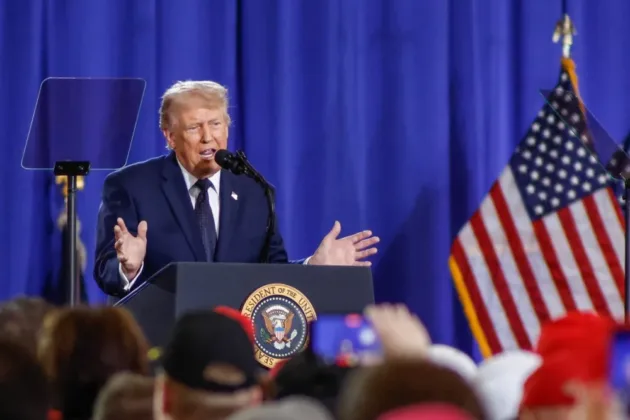
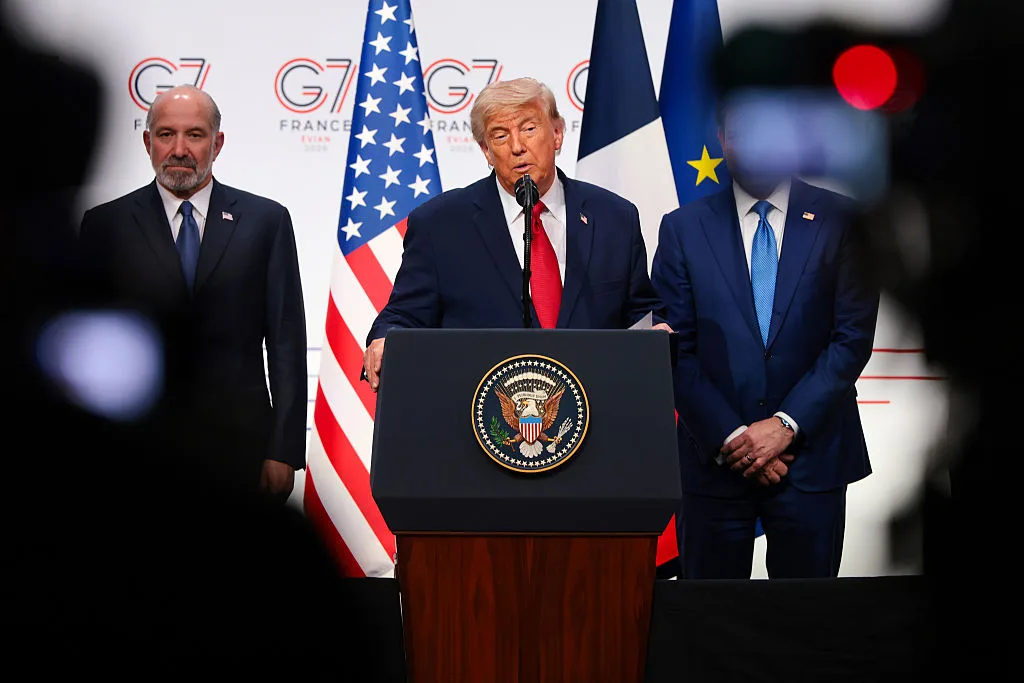
In a post on his social network Truth Social, US President Donald Trump cooled expectations of an imminent breakthrough, saying that talks were advancing “in an orderly and constructive manner” but urging his representatives “not to rush to close a deal, as time is on our side”.
Tehran has pushed back against Washington’s framing. Iranian foreign ministry spokesman Esmail Baghaei said any mechanism concerning the strait should be agreed between Iran, Oman and the countries bordering the waterway, and that the US “has nothing to do” with it. Tehran has also set up a “Persian Gulf Strait Authority”, which on May 20 published a map of what it called a “controlled maritime zone” spanning Hormuz.
The foreign ministry insisted on May 25 that Iran was “not seeking to collect tolls”, though hardline voices continue to argue that the strait lies within Iranian territorial waters. State media said 32 commercial vessels had been granted permission to transit Hormuz over the previous 24 hours in coordination with Iranian naval forces.
The differences in interpretation suggest the talks remain delicate, with both sides keen to claim a diplomatic victory in a crisis that has tested European defence policy and reshaped the geopolitics of the wider Middle East.