



The United States has said it has agreed with Iran to hold fire for another week, the latest in a string of short-lived truces between the two sides.
White House sources told Europa Press that both sides would stay calm so that every element of a memorandum of understanding could be discussed in a productive setting, without missiles flying.
US President Donald Trump had made clear that any Iranian fire would be met with a stronger response aimed at weakening Tehran’s position in the strait, the same sources said.
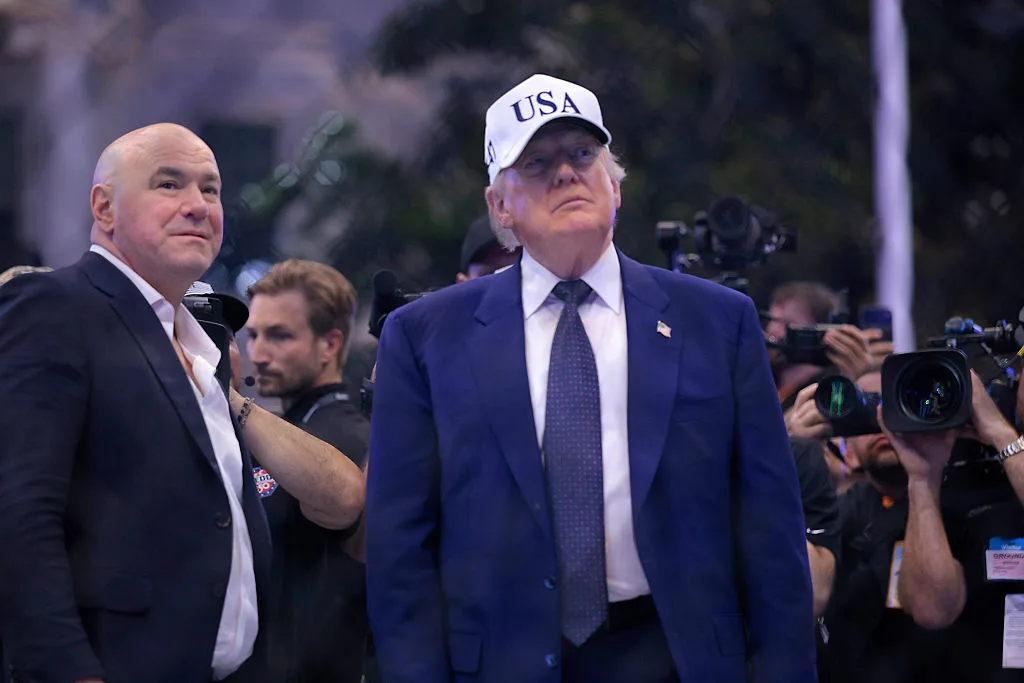
Speaking earlier at Joint Base Andrews in Maryland, Trump said contacts with Iran were going well and that progress was being made towards denuclearisation.
His special envoy Steve Witkoff and Jared Kushner, the president’s son-in-law, travelled to Doha this week for talks on the agreement. The pair met Qatar’s prime minister and foreign minister on June 30, though they did not take part directly in the technical negotiations.
Iran’s deputy foreign minister Kazem Gharibabadi said no meeting with Washington had taken place, and that Tehran had instead met mediators from Qatar and Pakistan.
He said working groups had been formed to follow up on the memorandum, though formal negotiations on a final deal had yet to begin.
The parties agreed to open an immediate communication channel so that any breach of the deal, signed by Trump and Iranian President Masoud Pezeshkian on June 17, could be documented.
The ceasefire has broken down repeatedly since it first took effect in April, each pause strained by clashes over the Strait of Hormuz. Between March 23 and June 9, CNN counted at least 38 times that Trump had said a deal was close.
Qatar’s foreign ministry reported positive progress in the indirect contacts. Its spokesman Majed al-Ansari said mediators from Qatar and Pakistan had concluded separate meetings with the American and Iranian negotiators in Doha.
The spokesman added that the talks would continue in the coming days, with the next round to be scheduled as soon as possible.
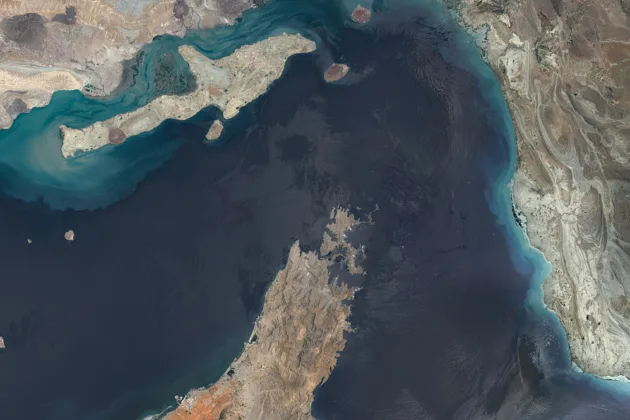
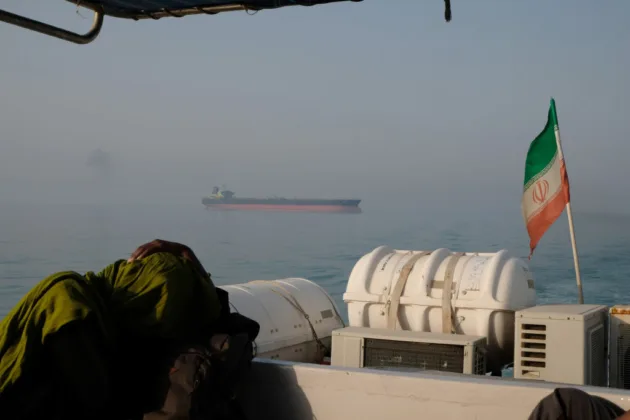
The war began on February 28, when US and Israeli air strikes killed Iran’s supreme leader Ali Khamenei and other senior officials. Iran responded by closing the Strait of Hormuz, shutting down a route that carried close to 20 per cent of the world’s oil and gas.
The closure sent global energy prices sharply higher and rippled through European markets. Keeping the waterway open remains central to the truce, with Washington warning that renewed Iranian action would draw fresh strikes.