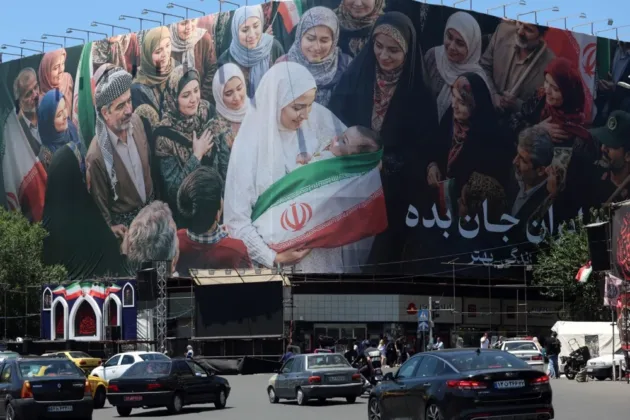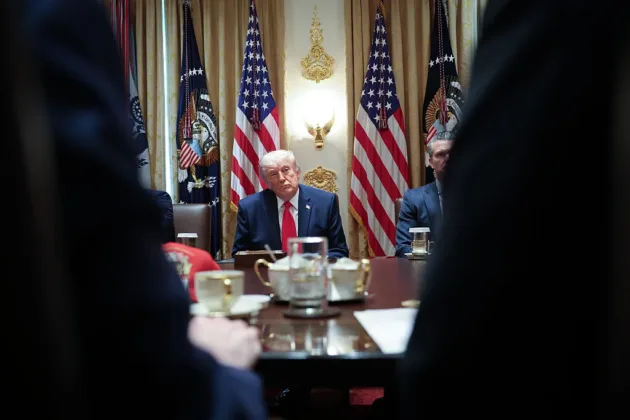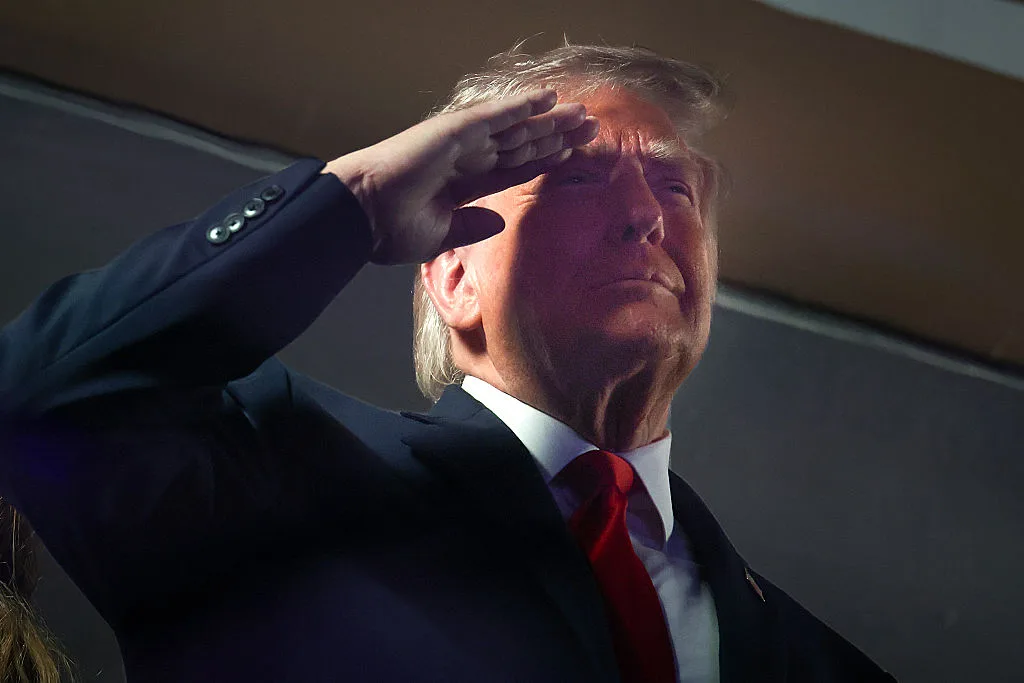


US President Donald Trump has played down expectations of an imminent agreement with Iran over the Strait of Hormuz, telling his negotiators “not to rush” to close a deal even as Washington and Tehran inch closer to a memorandum of understanding (MOU).
In a post on his Truth Social network on May 24, Trump said talks with the Islamic Republic were progressing “in an orderly and constructive manner”. He claimed he had instructed his representatives “not to rush into closing an agreement, as time is on our side”.
The intervention cooled market expectations of a breakthrough that Trump himself had fuelled the previous day, when he described a deal to end the war and reopen Hormuz as “largely negotiated”.
The US president attacked the 2015 Joint Comprehensive Plan of Action (JCPOA), signed under former US president Barack Obama, which capped Iranian uranium enrichment at 3.67 per cent. He called the previous deal “a direct path for Iran to develop a nuclear weapon” and insisted that his administration’s draft was “exactly the opposite”.
Trump said Tehran could not be allowed to “develop or acquire a weapon or a nuclear bomb” and urged both sides to “take their time and do it right”. “There can be no mistakes,” he added.
He also warned that the US Navy blockade of the Strait of Hormuz would stay in place “until an agreement is reached, certified and signed”. Trump thanked Middle Eastern states for their cooperation and floated the prospect of Iran one day joining the Abraham Accords.
Hours earlier, the president had shared an AI-generated image on Truth Social showing US fighter jets striking two Iranian warships, captioned “Adios”.
Citing a US official, the news site Axios reported that Washington and Tehran were negotiating a 60-day MOU, extendable by mutual agreement and also covering Lebanon. The draft would require Iran to reopen Hormuz without tolls and clear sea mines, while the US would lift its blockade — imposed in April — and grant exemptions allowing Tehran to sell oil freely.
Talks on tougher issues, including Iran’s nuclear programme and the handover of an estimated 440kg of highly enriched uranium, would open around 30 days later. The reported draft does not address Iran’s ballistic missile programme or Tehran’s backing for armed groups across the region.
US Secretary of State Marco Rubio, speaking alongside his Indian counterpart in New Delhi on May 23, said the world could expect “good news” within hours on Hormuz and Iran’s atomic programme. He said Washington had made “some progress in the last 48 hours” with its Gulf partners.
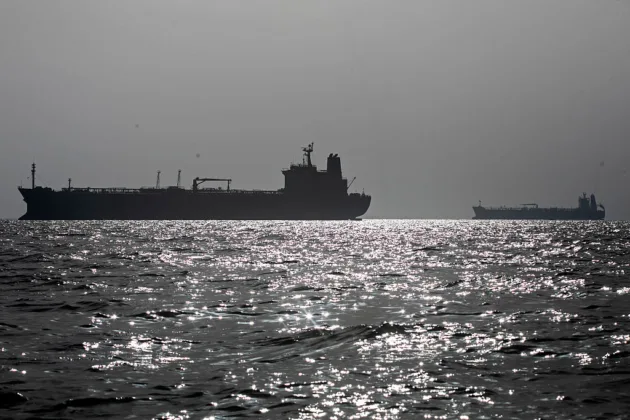
The Strait of Hormuz has been largely closed since February 28, 2026, when Iran moved against shipping in response to US and Israeli air strikes. The waterway carries around a fifth of global oil and liquefied natural gas supplies, and its disruption has hit European energy markets hard.
EU foreign policy chief Kaja Kallas has pushed for the bloc to back efforts to reopen the strait through Operation Aspides, the EU naval mission already active in the Red Sea. The Council of the European Union adopted fresh sanctions targeting Iran’s blockade on May 22.