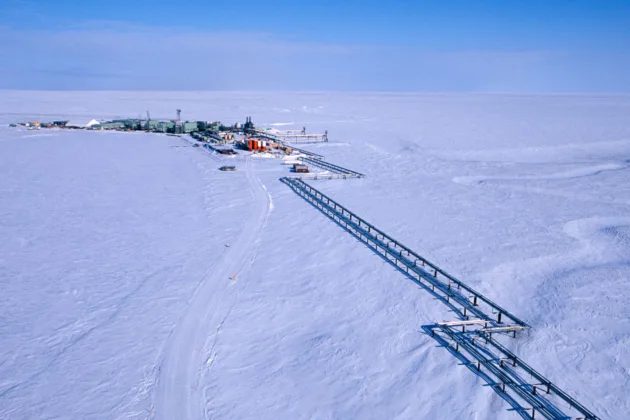




More than a dozen Nordic investors and financial institutions have urged the European Union not to drop its opposition to new oil and gas drilling in the Arctic, warning that any retreat would damage both the climate and long-term energy security.
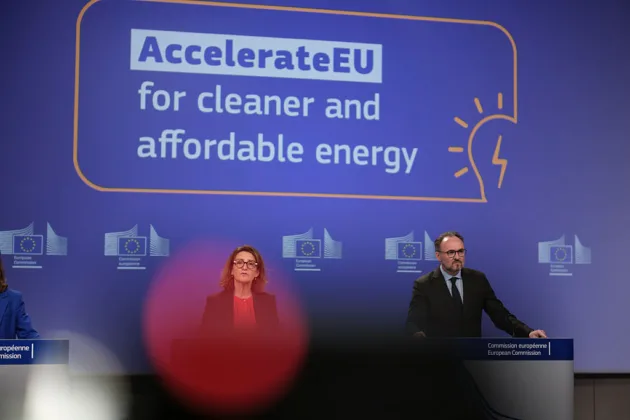
The appeal has come as the EU weighs revising its stance to prioritise energy supply, after the US-Israeli war with Iran disrupted global energy markets and sent European gas prices surging.
In an open letter sent on May 27 to five European Commissioners, the signatories said they feared Brussels might soften its position. The letter was organised by the Nordic Center for Sustainable Finance and the Danish pension fund Sampension.
Nordea Asset Management, part of the Nordic lender Nordea, was among 12 financial institutions to sign. Norway’s largest pension company, KLP, also added its name, alongside civil society groups and scientists.
They argued that new Arctic fossil fuel projects would take more than a decade to come online, making them useless for solving the current crisis.
The letter described the Arctic as one of the most vulnerable ecosystems on the planet and said further drilling would raise the risk of oil spills and leakages. Spill simulations suggest more than 90 per cent of any oil released in certain parts of the Barents Sea could not be recovered, it said.
The group also pointed to security risks. It argued that the Barents Sea’s closeness to Russian territory and the Northern Sea Route makes energy infrastructure a possible target for hybrid warfare.
Instead of new drilling, the signatories called for the EU to electrify its economy and transport and to expand its own clean energy production.
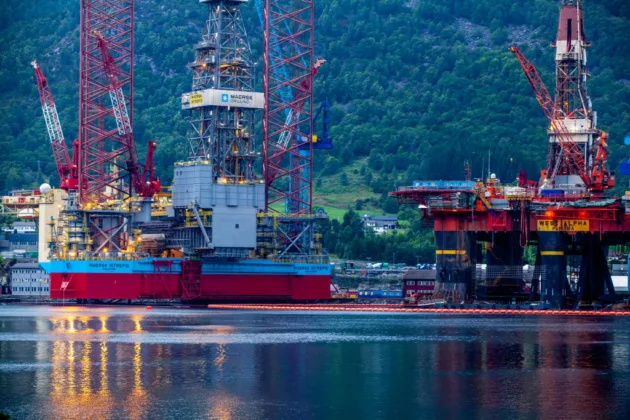
Norway, which is Europe’s biggest gas supplier although it is not an EU member, has been pushing Brussels to drop the moratorium. Norwegian output is due to decline in the 2030s unless firms such as Equinor make fresh discoveries.
The EU’s current policy backs a ban on further Arctic oil and gas development and rejects buying such hydrocarbons, though no formal moratorium is yet in place. Since 2021 the bloc has committed to work towards an international ban as part of its Arctic policy.
A Commission spokesperson said the EU was reviewing that policy “in light of the new geopolitical and geoeconomic context” but added that no conclusions had been reached.
Sampension head of ESG Jacob Ehlerth Jørgensen said the fund supported Norway’s role as an energy supplier, though Arctic drilling was not the answer to Europe’s energy security problem.
Jørgensen said the real question was whether Europe opened up fresh risk to energy security, climate and biodiversity, or found “a smarter way to do it”.