






The European Union has begun preparing to open formal accession negotiations with Ukraine and Moldova this month, after Hungary’s new government dropped a two-year veto on the process.
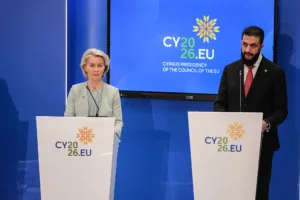
The Cypriot presidency of the Council of the European Union, which holds the rotating chair for this half of the year, said it would start work on opening the first cluster of accession talks with the two candidates. It described the step as a significant milestone and a signal of the bloc’s unity and resolve.
The shift came after ambassadors of the EU’s 27 member states met in Brussels on June 3, 2026, where it became clear that the new Hungarian Government no longer maintained its objection.
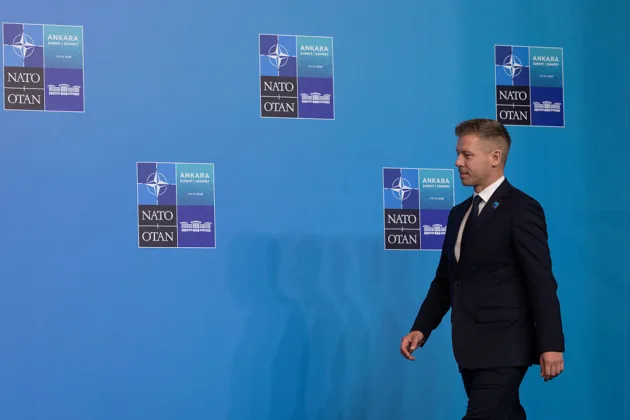
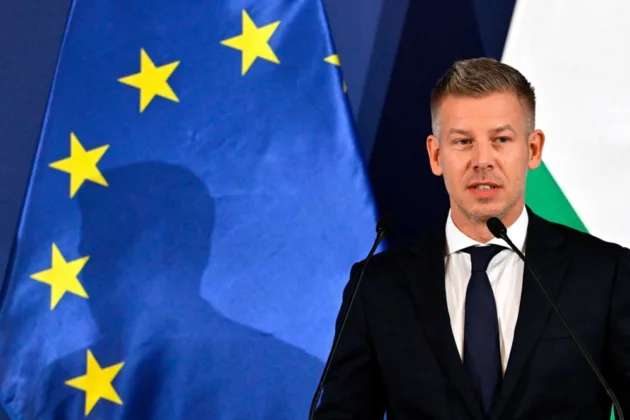
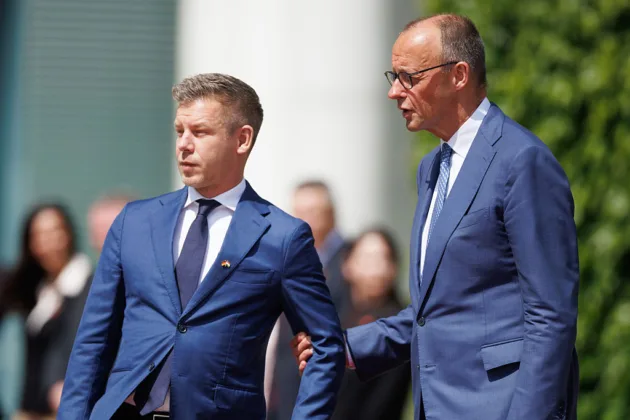
The veto was originally imposed by former prime minister Viktor Orbán, who blocked progress on Kyiv’s membership bid for two years. His Fidesz government was ousted in April 2026 by the centre-right, pro-European Tisza party of Péter Magyar, who took office as prime minister on May 9, 2026.
Magyar said his government would support opening the first group of accession chapters once Kyiv’s commitments on the Hungarian minority in Transcarpathia, western Ukraine, were written into its action plan for Brussels.
He said Budapest had reached a comprehensive agreement with Ukraine to expand the linguistic, educational, cultural and political rights of the more than 100,000 ethnic Hungarians living in the region. Kyiv did not immediately confirm the terms.
“In just three weeks, we have achieved what Viktor Orbán and his government failed to do in 10 years,” Magyar said in a post on social media.
The first cluster, known as fundamentals, covers the working of democratic institutions, public administration reform, the judiciary and basic rights. It is the first block of chapters to open and, because the reforms are so far-reaching, the last to close, European sources said.
Technical work remained before member states could finalise the common position needed to open the cluster, though officials expected it to be adopted in the coming days.
If that timetable holds, intergovernmental conferences with Ukraine and Moldova could take place on June 15, 2026, alongside a meeting of EU foreign ministers in Luxembourg.
Magyar said Hungary still opposed any accelerated entry. He said that if Ukraine closed all 33 accession chapters within 10 to 15 years, Hungary would back its membership provided a legally binding referendum was held.