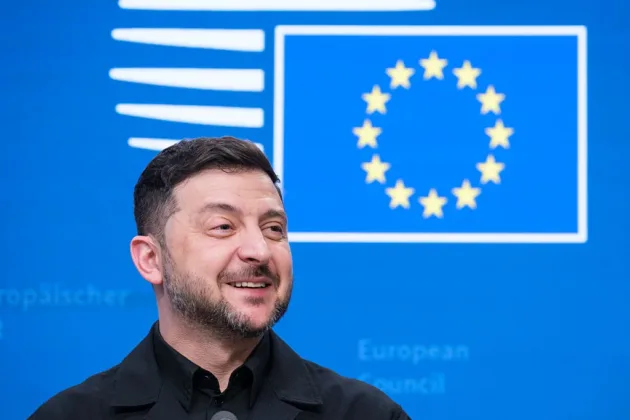










Hungary has lifted its two-year veto on Ukraine’s bid to join the European Union, clearing the way for the accession process to move forward.
The shift came on June 3, 2026 during a meeting of ambassadors in Brussels, where the Hungarian representative signalled the withdrawal of objections, several diplomats said. That allowed the EU’s 27 member states to reach the unanimity needed to take the next procedural steps.
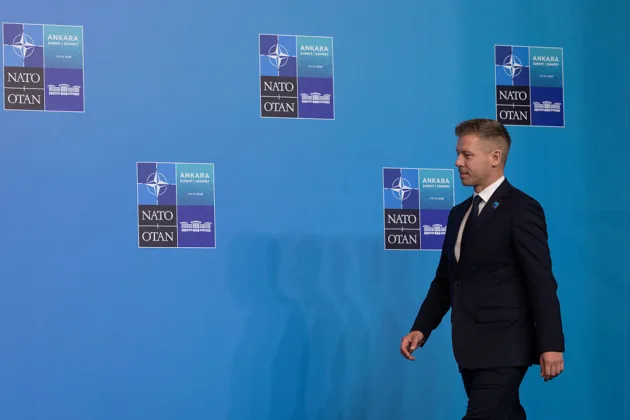
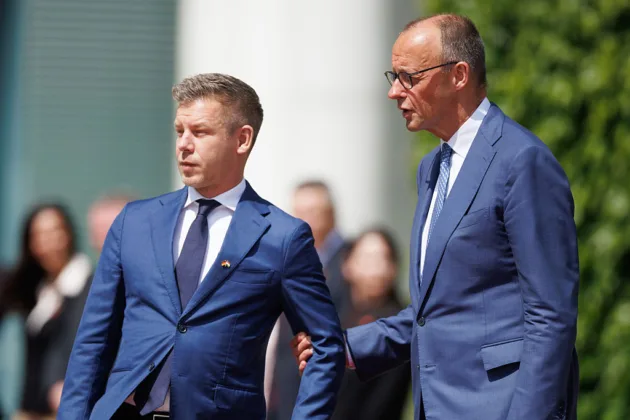
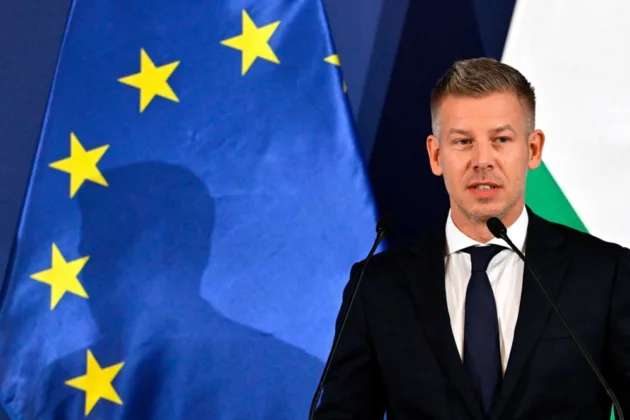
It followed an announcement by Hungarian Prime Minister Péter Magyar that Budapest had struck a deal with Kyiv on the rights of Ukraine’s Hungarian minority.
Magyar said the two sides had reached a comprehensive agreement to expand the linguistic, educational, cultural and political rights of Ukraine’s roughly 100,000 ethnic Hungarians. He set out the terms in a video posted on Facebook. Ukraine did not immediately confirm them.
The veto was originally imposed by former prime minister Viktor Orbán, who had blocked progress on Ukraine’s membership for two years, just as Hungary took over the presidency of the Council of the European Union. Orbán’s government had set out 11 demands that Kyiv would have to meet before the objection was dropped.
Magyar’s centre-right, pro-European Tisza party ousted Orbán’s Fidesz in April 2026, and he took office as prime minister on May 9, 2026.
The move brings Ukraine and Moldova, which are informally paired as candidates, closer to opening the first cluster of membership talks. Accession is divided into 33 chapters across six thematic clusters. The first, known as fundamentals, covers the rule of law, human rights and the judiciary, and is the first to open and the last to close.
Marta Kos, the European Commissioner for Enlargement, welcomed the development. She said Ukraine and Moldova were already meeting rule-of-law requirements set by member states and that it was time to speed up their path to membership.
Magyar said he still opposed any fast-tracking of Ukraine’s entry, a position shared by other member states. He said that if Ukraine managed to close all 33 chapters within 10 to 15 years, Hungary would hold a legally binding referendum on the question.
In principle, Budapest could reinstate the veto at any time. Officials and diplomats in Brussels said they were confident the intergovernmental conference formally opening the first cluster would proceed on June 15, 2026 in Luxembourg.