
European leaders have moved to press United States President Donald Trump into backing a fresh round of peace talks over Ukraine at the Group of Seven (G7) summit in France, seizing on his pivot from the Middle East after he announced a deal to end the war with Iran.
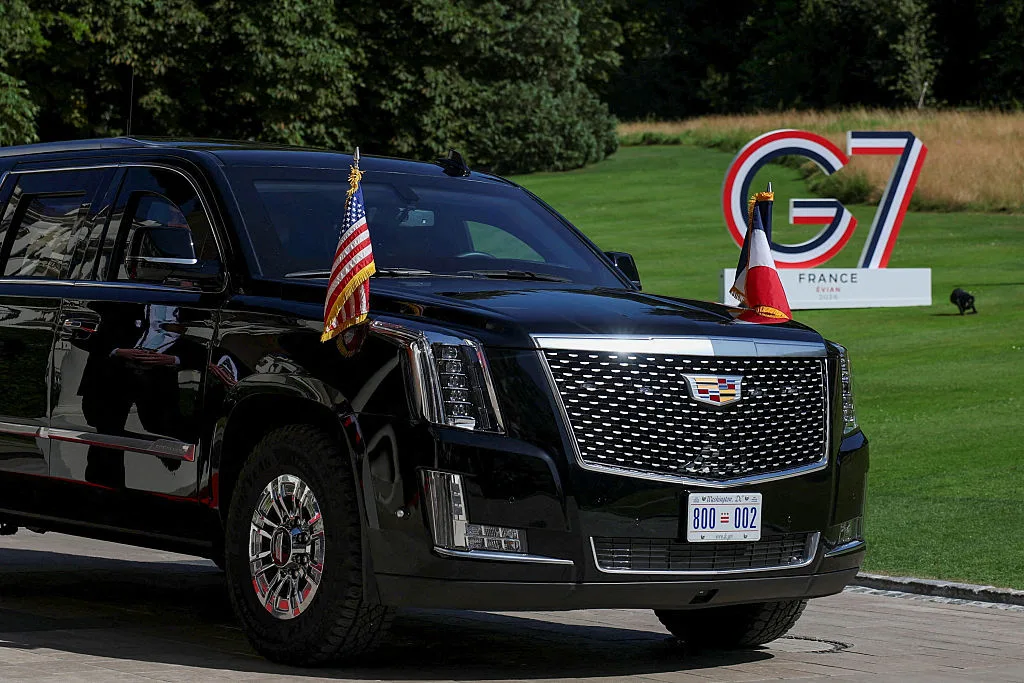
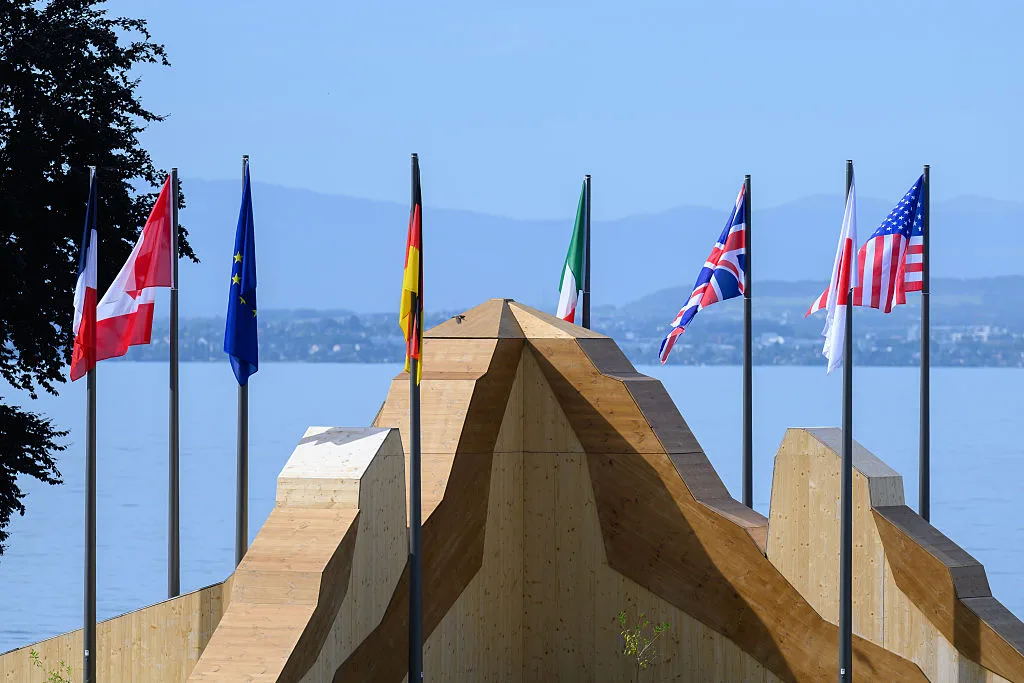
The annual gathering opened on June 15 in Évian-les-Bains, eastern France, hosted by President Emmanuel Macron in what would be his final G7 before his term ends in 2027.
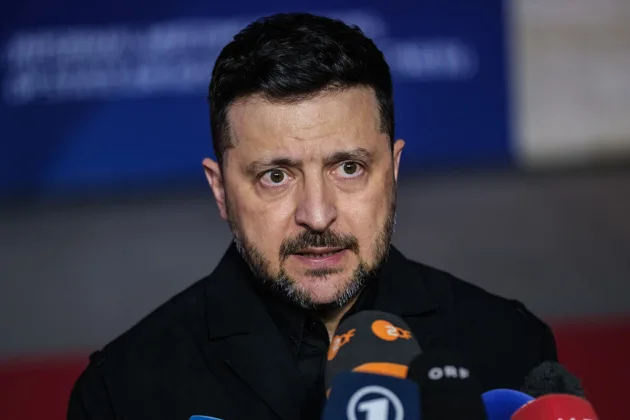
Ukraine was due to dominate a special session on June 16, with President Volodymyr Zelensky joining the leaders after Trump suggested there might be room for progress, telling reporters “maybe we can do something,”.
Britain, France and Germany — the so-called E3 — would use the summit to argue that battlefield momentum had shifted in Kyiv’s favour, opening space for negotiations that move beyond the terms floated after Trump’s meeting with Russian President Vladimir Putin in Alaska in 2025.
The three governments want Moscow to accept an immediate ceasefire along the current front line as a starting point, paired with security guarantees for Ukraine that would include a multinational force.
Their push reflects a wider European frustration. The continent has shouldered the bulk of military and financial aid to Kyiv since Washington halted its bilateral arms donations, yet has been largely shut out of the peace diplomacy.
Zelensky had offered to meet Putin on the sidelines of the summit, with Trump and European leaders present, though the Kremlin signalled it was not ready. Putin, who is wanted by the International Criminal Court (ICC) over alleged war crimes, would in any case face arrest in France as a member of the court.
The Ukraine session followed a wave of Russian strikes that killed at least 11 people and set a landmark Kyiv cathedral ablaze, according to Ukrainian authorities. Zelensky urged a “decisive and substantive” response from the assembled leaders.
The summit’s opening day was dominated by Trump’s agreement with Iran, which he said would end the conflict and reopen the Strait of Hormuz, the shipping lane through which about 20 per cent of the world’s crude oil passes.
European Commission President Ursula von der Leyen welcomed the diplomacy but said any move by the European Union to ease its own sanctions on Iran would depend on verifiable change on the ground.
Russia was expelled from what was then the G8 in 2014 over its annexation of Crimea and has not returned.