




Seven European Union member states have rejected any softening of the bloc’s car emissions rules, warning that fresh flexibilities for manufacturers would slow the shift to electric vehicles and undercut the billions of euros already invested by Europe’s car industry.
In a joint document, Denmark, France, Luxembourg, the Netherlands, Portugal, Spain and Sweden argued that any extra room for carmakers to meet their CO2 targets should remain “strictly limited”. They said it must be tied to concrete industrial and environmental commitments aimed at speeding up the decarbonisation of mobility.
The intervention puts the seven governments at odds with a rival camp of member states — among them Italy, Poland and Hungary — that has pressed the European Commission to loosen the rules and adopt what it calls technological neutrality.
The Commission is due to review its CO2 standards for cars and vans in 2026 and has signalled it would give hybrids and renewable fuels a bigger role beyond 2035, the deadline set under the EU Green Deal. The seven signatories want that trajectory preserved.
They framed electrification as a matter of energy security as much as climate policy, pointing to volatile fossil fuel prices and geopolitical instability. Undermining the integrity and predictability of the framework would be a strategic error, they said, at a moment when past investment was beginning to deliver results.
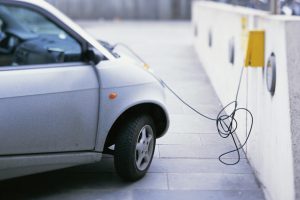
The group called for stronger conditions to accelerate electric vehicle take-up. These included more charging infrastructure, demand incentives and measures to widen access for households and businesses through the second-hand market.
They also backed investment in a European supply chain for electric cars and in linked sectors such as green steel, part of a wider push to reinforce the resilience of the car industry.
The signatories rejected rule changes not grounded in scientific evidence. They recalled the Commission’s own conclusion, drawn from data on one million vehicles on the road, that plug-in hybrids emit 3.5 times more CO2 in real-world conditions than in approval tests.
The countries also voiced reservations about giving renewable and carbon-neutral fuels a wider role in passenger car rules. They argued this could weaken the case for electrification, create new dependencies on imported raw materials and divert resources from sectors such as aviation and shipping, where the technologies were more needed.
The seven said they wanted to preserve “a clear and ambitious path towards electrification” within the CO2 framework, one that strengthened the long-term competitiveness of European carmakers and improved affordability for consumers.