



The Spanish Government has ordered the temporary reintroduction of border controls on travellers arriving from Italy, hours after Rome refused to lift the checks it imposed on Spain over the migration crisis in the north African enclave of Ceuta.
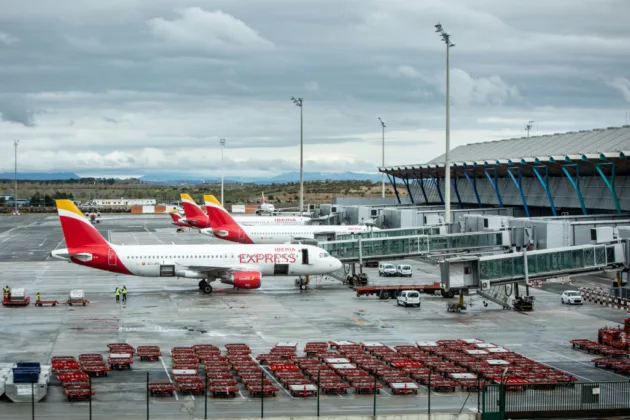
The controls take effect at 12 midnight on August 8 at Spanish ports and airports and run until September 7. Travellers will face random checks of identity and nationality by passport, and third-country nationals will have their visa or residence permit inspected.
No document check of that kind applied at Ceuta in late July. Spanish interior minister Fernando Grande-Marlaska said on August 4 that about 72,000 people had crossed from Morocco into the enclave on foot and by sea.
Government sources cited the persistent irregular migratory pressure facing Italy.
Madrid had given Rome until August 9 to drop its own controls, warning of proportionate measures if it did not. The Italian Government replied that it does not accept “ultimatums or impositions” on national security and border control and said it would not revisit the matter before August 15.
That date coincides with a call circulating on social media for a fresh mass crossing into Ceuta.
Italian Prime Minister Giorgia Meloni announced the checks on July 30 and they came into force on August 1. Rome notified the European Commission two days later, saying they would run until August 31 with the option of renewal.
The two measures are not equivalent. Italy screens only non-EU nationals arriving from Spain, while the Spanish order covers everyone arriving from Italy, and signs at Rome Fiumicino and Venice Marco Polo already channel Spanish arrivals into separate lanes.
The result is a pick-and-choose Schengen, with Madrid and Rome policing the internal borders of their choosing while the external frontier that was breached stays as it was.
Spanish MEP Dolors Montserrat, of the European People’s Party, has accused foreign minister José Manuel Albares of picking a fight with Italy rather than explaining how Spain will regain control of its own borders. Vox wants the Ceuta frontier permanently militarised.
Albares said the Italian decision struck at the dignity of Spaniards and holed European unity below the waterline.
Spanish Prime Minister Pedro Sánchez has cited Frontex figures putting irregular entries between 2021 and 2026 at 478,600 for Italy against 234,760 for Spain.
Madrid says almost all those who reached Ceuta have been returned and that the city already requires a police check before anyone travels on to the mainland. That has not stopped 22 member states from signing a joint letter criticising Spanish migration policy.
Home affairs commissioner Magnus Brunner has said the European Union passed the Ceuta test, though the Commission has yet to rule on whether either measure is proportionate.