





The United States and Iran have agreed to pause attacks on each other and return to talks in Qatar, US officials have said, after a weekend of strikes around the Strait of Hormuz.
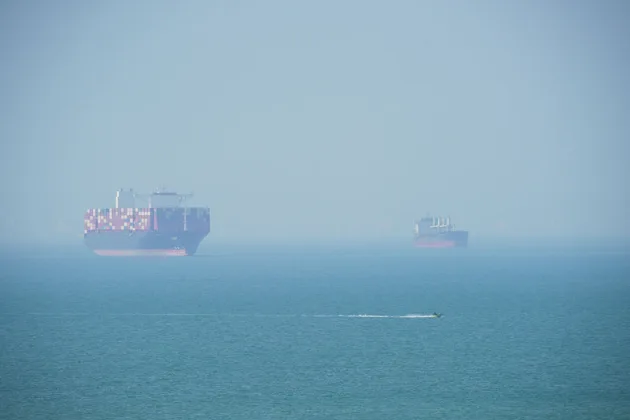
Both sides would stand down “for now” while technical talks continued, a US official told Axios. Commercial ships were moving freely through the strait, the official said.
The two were due to meet on June 30 in Doha, the Qatari capital, though Tehran had not publicly confirmed the talks.
The pause followed days of escalation over control of the Strait of Hormuz, the narrow channel through which about a fifth of the world’s oil and gas passes. Under an interim memorandum of understanding (MoU), Iran would allow commercial ships through while the US eased a blockade of Iranian ports imposed in April.
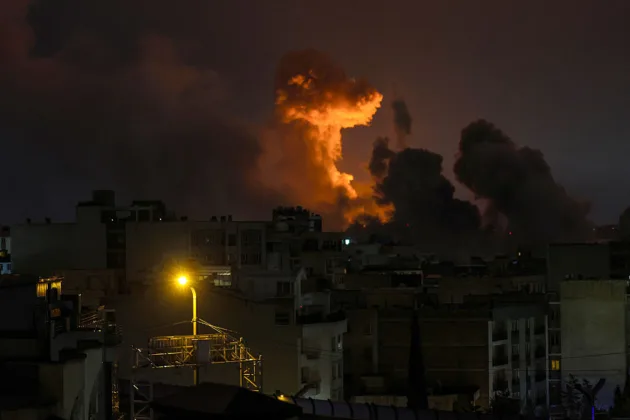
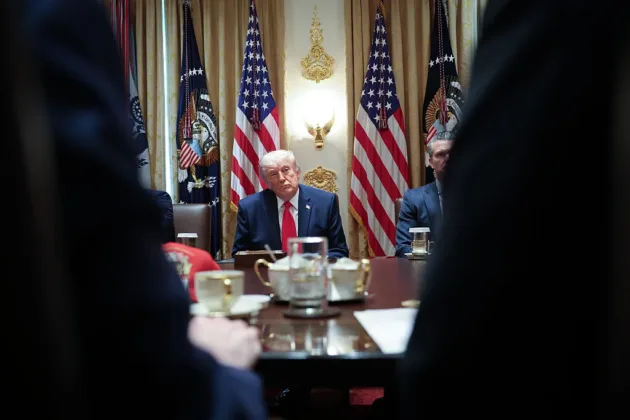
Iran had attacked at least two commercial ships near the strait in recent days, including the Panama-flagged tanker Kiku, which was carrying more than two million barrels of crude oil. The US struck five Iranian coastal sites on June 27 in response, with President Donald Trump saying its aircraft hit Iranian missile and drone stores “for violating the Cease Fire Agreement, AGAIN!”
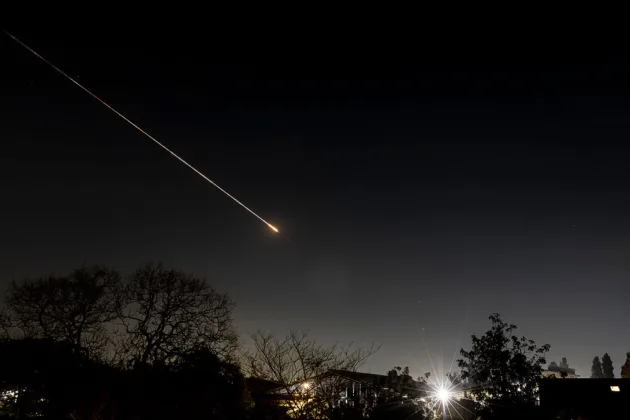
Iran’s Islamic Revolutionary Guard Corps (IRGC) then said it had fired missiles and drones at US bases in Kuwait and Bahrain, claiming to have destroyed eight military sites. Kuwait said its air defences intercepted the missiles, while Bahrain reported damage to a residential building near its airport and no US casualties.
The clashes centred on control of the strait, which Tehran insists it alone should govern. Iranian foreign minister Abbas Araghchi said separate arrangements would delay the waterway’s reopening and deepen tensions.
Gulf states including Bahrain, Kuwait and the United Arab Emirates condemned the Iranian strikes as a breach of their sovereignty. The wider conflict began in late February, when the US and Israel started attacking Iran, and Trump had warned of sweeping military action if the strikes resumed.
Markets have tracked the strait closely, as any disruption there can raise oil prices worldwide. The interim deal could now depend on whether the pause holds long enough for the Doha talks to go ahead.