




The United States has launched a fresh wave of military strikes on Iran in response to Iranian attacks on commercial ships in the Strait of Hormuz, in the latest escalation over the strategic waterway.
The US Central Command (CENTCOM) said its forces had begun the operation to impose heavy costs on Tehran for endangering civilian crews in an international shipping lane.
CENTCOM announced the strikes on July 7 in a post on social media, describing them as a response to Iranian attacks on three commercial vessels transiting the strait.
“Iran’s demonstrated aggression was unwarranted, dangerous, and a clear violation of the ceasefire,” it said.
A US official told the news agency Reuters that the strikes had targeted Iranian air defences, coastal surveillance systems, surface-to-air missiles, anti-ship cruise missiles and drone launch sites. CENTCOM did not initially say what had been hit.
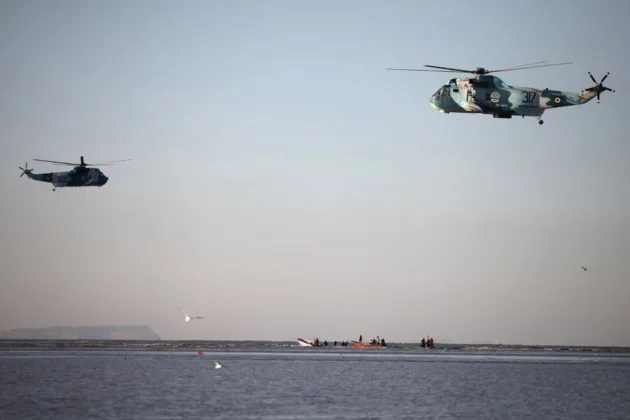
Iranian state media reported explosions and columns of smoke in Bandar Abbas, on Qeshm Island and at Sirik, all in the southern province of Hormozgan.
State broadcaster IRIB said enemy projectiles had struck a fishing pier at Bandar Abbas, setting several boats alight.
Provincial authorities told the semi-official Fars news agency they had received no reports of civilian casualties from the strikes.
Iranian outlets had earlier pointed to damage at civilian sites, including the fishing port and a village on Qeshm.
The action followed a series of attacks on shipping that Gulf states blamed on Iran. Qatar accused Tehran of striking the liquefied natural gas tanker Al-Rekayyat near the strait, while Saudi Arabia said its tanker Wedyan had also been hit.
Doha called the incident an unacceptable assault on the safety of international shipping and global energy supplies, and summoned Iran’s deputy ambassador. Tehran rejected the accusation as unfounded and warned of a decisive response.
Washington had revoked a waiver on Iranian oil sales earlier the same day, and oil futures rose sharply. About 20 per cent of the world’s oil passes through the Strait of Hormuz.
The strikes have tested a fragile understanding reached in June, when Washington and Tehran signed a memorandum of understanding aimed at ending the war and reopening the strait to commercial traffic.
The 14-point agreement set a 60-day window for talks on the strait, Iran’s nuclear programme and sanctions relief.
The two sides have traded strikes repeatedly since, notably in late June, when US forces hit Iranian military sites and Tehran retaliated against American bases in the Gulf.
The conflict began on February 28, when US and Israeli air strikes killed Iran’s then supreme leader, Ayatollah Ali Khamenei.
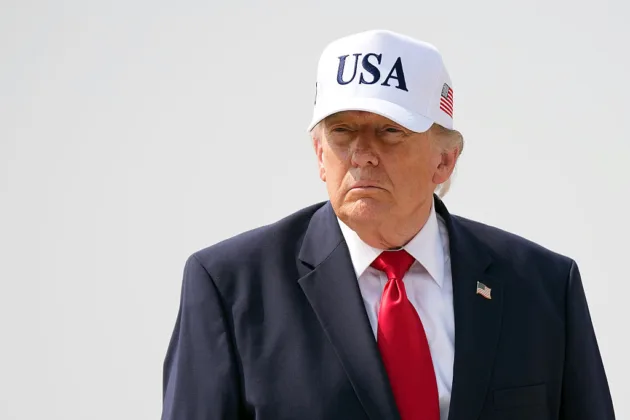
US President Donald Trump was in Ankara, Turkey, for a NATO summit as the strikes were announced.