









The United States and Iran have reached a tentative agreement to extend their ceasefire by 60 days and open talks to end the Iran war, US officials have said, though President Donald Trump has yet to sign off on it.
Negotiators agreed the broad outlines of a framework on May 28, 2026, the Associated Press (AP) reported, citing officials familiar with the matter. The deal would include a reopening of the Strait of Hormuz, the world’s most important oil chokepoint.
The emerging memorandum of understanding would pause the fighting while both sides negotiate over Iran’s nuclear programme, sanctions relief and regional security. It still needed the President’s approval, the officials said.
If finalised, it would mark the most significant breakthrough between Washington and Tehran since the war began on February 28, 2026, when US and Israeli strikes on Iran triggered the conflict.
Tehran did not immediately confirm any deal. A member of the Iranian parliament’s National Security and Foreign Policy Commission, Fada Hossein Maleki, told the news agency ISNA that a large part of Iran’s proposals had been accepted.
“The only concern is the unpredictability of Trump and the lapses in commitments that we have witnessed so far from the United States,” Maleki said.
WHAT IS IN THE DEAL
Under the draft, the ceasefire would be extended for 60 days as talks proceed, AP reported. The proposal also sets out steps to reopen the Strait of Hormuz and to restore commercial shipping, with the US lifting its naval blockade on Iranian ports.
US treasury secretary Scott Bessent said the outcome rested with the President. “Everything depends on what President Trump wants to do,” he told reporters at the White House, adding that Trump had set out “several red lines”.
Among them, Bessent said, Iran would have to hand over its highly enriched uranium and abandon any pursuit of a nuclear weapon. Washington has also rejected any form of Iranian control over the strait, including a proposed tolling system.
Earlier on May 28, Bessent threatened Oman, a close US ally, with sanctions if it helped impose fees on ships passing through the waterway, Al Jazeera reported. Under the framework, the strait would be de-mined and reopened, a senior US administration official told the Washington Post.
A FRAGILE TRUCE
The tentative agreement emerged after hopes of a deal had nearly faded. Both sides had exchanged fire over the previous 24 hours despite the ceasefire, and Trump struck a cautious note.
Speaking at a cabinet meeting on May 27, the President said he was not yet satisfied with Tehran’s offers and was in no rush, warning that otherwise the US would “have to finish the job”.
“Iran is very much intent, they want very much to make a deal. So far they haven’t gotten there. We’re not satisfied with it, but we will be,” Trump said.
Iran’s Ayatollah Mojtaba Khamenei, meanwhile, accused the US and Israel of seeking to destabilise the Islamic Republic and “bring nation to its knees”, in a written message read on state television.
The White House dismissed an earlier Iranian state television report on the draft, which had claimed it included the withdrawal of US forces from the Gulf, as a “complete fabrication”.
Separately, Iran’s Revolutionary Guard Corps (IRGC) Navy said it was exercising “smart control” of the strait, claiming that 26 commercial and oil tankers had passed through over the previous 24 hours after coordinating with Iranian forces, the IRGC-affiliated Tasnim news agency reported. A number of westbound vessels were turned back for failing to coordinate with Iran’s newly formed Persian Gulf Strait Authority, it added.
WHY IT MATTERS FOR EUROPE
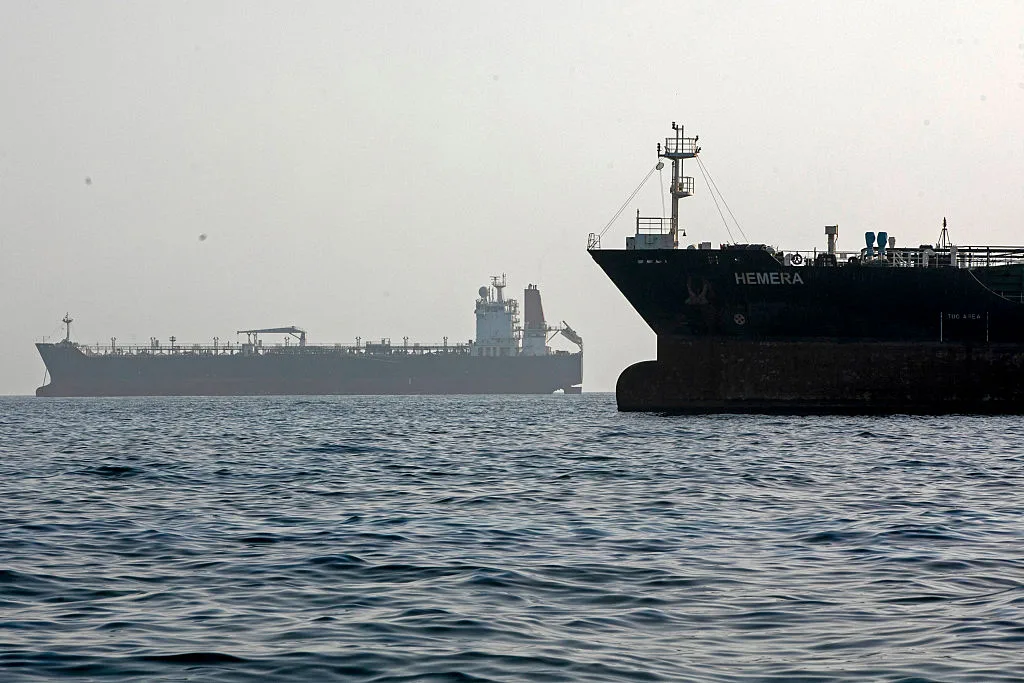
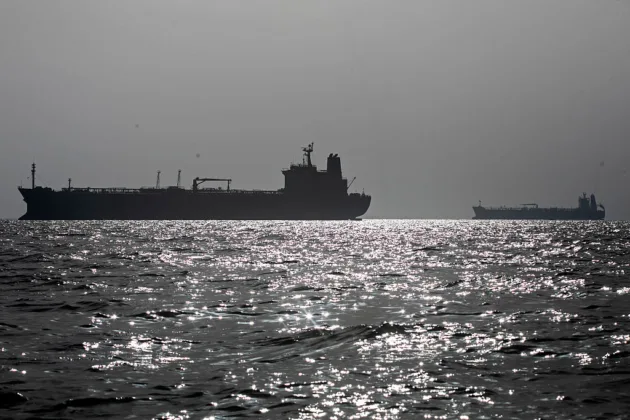
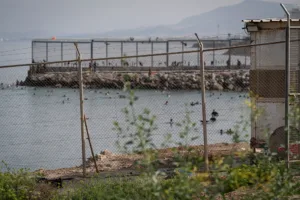
For the European Union, the prize is the strait itself. The Strait of Hormuz has been largely shut to international shipping since the war began, and its closure has driven energy prices sharply higher across the bloc.
Under normal conditions, roughly a fifth of the world’s oil and a large volume of liquefied natural gas pass through the waterway each day, much of it bound for Asian and European buyers.
The disruption has hit Europe hard. The EU has estimated that gas prices rose about 70 per cent and oil about 50 per cent after the strait closed, adding some €13 billion to the bloc’s fossil fuel import bill.
Dutch TTF gas futures, Europe’s benchmark, climbed to about €50 per megawatt-hour, while Brent crude has traded near $119 (€110) a barrel, up from roughly $70 (€65) before the war, according to Euronews and the International Energy Agency (IEA).
The IEA has described the closure as the largest supply disruption in the history of the global oil market. Analysts have warned that a prolonged crisis could push eurozone inflation back above target and complicate the European Central Bank’s (ECB) interest rate plans.
For now, energy markets and European governments are watching Washington. The framework offered the first credible path to reopening Hormuz in weeks, though, as Bessent made clear, the final word rests with the President.