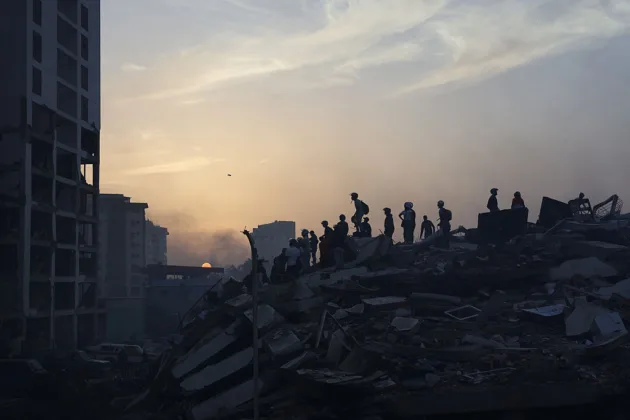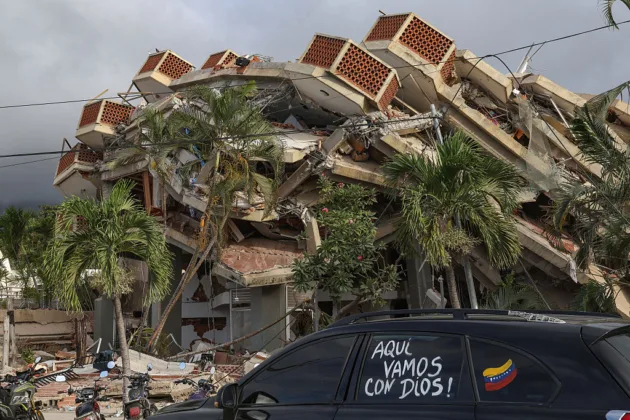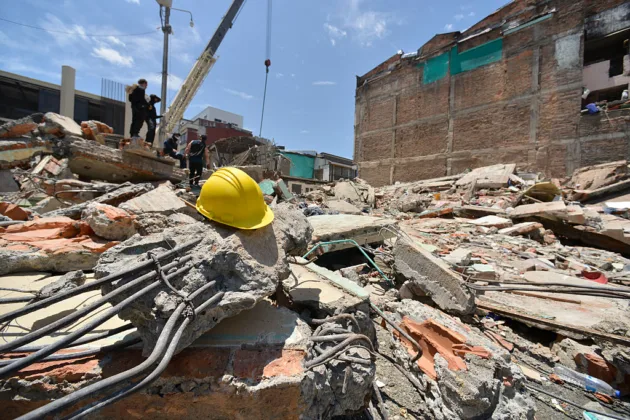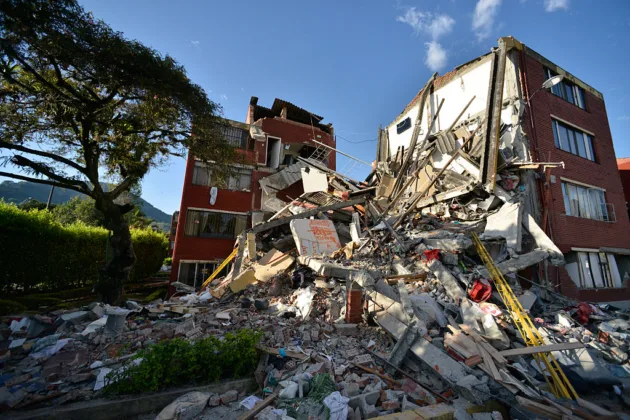


At least 2,295 people have died and more than 11,000 have been injured in two powerful earthquakes that struck northern Venezuela on June 24, the country’s authorities have said.
Almost 13,000 families had been left homeless and most of the injured had been discharged, national assembly president Jorge Rodríguez said on July 1. More than 780 aftershocks had been recorded, though they were easing.
The two quakes, of magnitude 7.2 and 7.5, struck seconds apart with their epicentres in Yaracuy state, the United States Geological Survey (USGS) said. They were the country’s most powerful in more than a century.
The Pan American Health Organization, part of the World Health Organization, appealed for $24 million (€21 million) to fund six months of health care, warning that hospitals were overwhelmed. It said damaged facilities raised the risk of disease.
Satellite analysis suggested nearly 59,000 buildings had been damaged or destroyed, and aid agencies said up to 6.8 million people could need help.
About 700,000 people lived in the worst-hit areas. Acting President Delcy Rodríguez declared seven days of national mourning.
The coastal state of La Guaira, north of Caracas, remains under military control, with access restricted to authorised personnel. A United Nations coordinator said the death toll would keep rising.
Tens of thousands of people were still reported missing, a figure the authorities have not confirmed.
The human rights group Provea called for independent verification of the toll, while opposition leader María Corina Machado has accused the government of restricting communications to conceal the scale of the disaster.
The European Union has activated its Civil Protection Mechanism and given €5 million in emergency aid, with member states among more than 50 countries sending rescuers. Its Copernicus satellites were mapping the damage.
The United States has committed $300 million (€264 million) and Brazil has offered help with reconstruction. More than 6,400 people have been pulled from the rubble alive.
Delcy Rodríguez has led the country since United States forces removed former President Nicolás Maduro in January, and the legitimacy of her administration remains widely contested.
The European Union is the largest humanitarian donor to Venezuela, having given more than €572 million since 2016, with Venezuelans the second-largest group of asylum seekers in the bloc after Afghans.