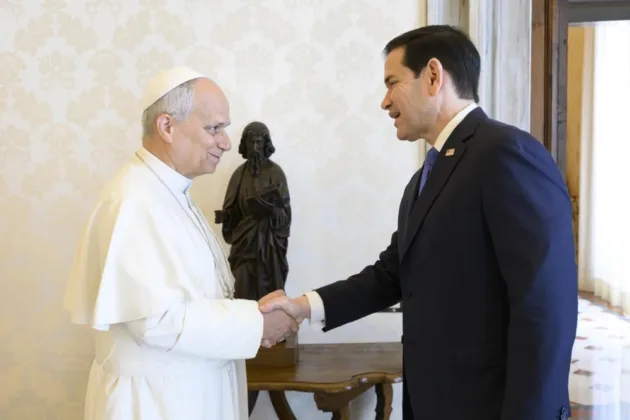

United States secretary of state Marco Rubio has said he is confident Cuba will be set on an irreversible course towards a different future before President Donald Trump leaves office.
Speaking on The Katie Miller Podcast in an interview released by the State Department on August 11, Rubio said the island would be “on an irreversible path towards a much different future” by the end of the administration.
He was answering a question about whether Cuba might follow Venezuela, where US forces captured Nicolás Maduro on January 3, 2026.
Rubio cautioned that a system rooted for 70 years could not be pulled out overnight and said a transition had to happen first. He pointed to eastern Europe after the fall of communism, where he said countries had taken three to five years to become what they are today, naming Poland as the clearest example.
The son of Cuban immigrants said he worked for the United States rather than for Cuba, and that a secure and stable island aligned with Washington was in the American national interest.
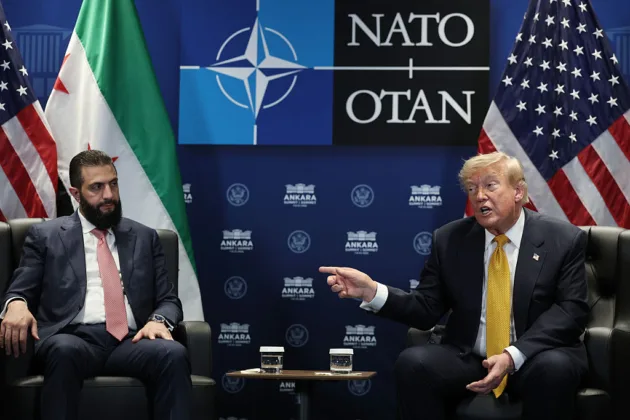
His remarks follow a year of escalating pressure. Trump signed an executive order on January 29 authorising tariffs on third countries shipping oil to Cuba, and a further order on May 1 placed Cuban President Miguel Díaz-Canel on the US blacklist for the first time.
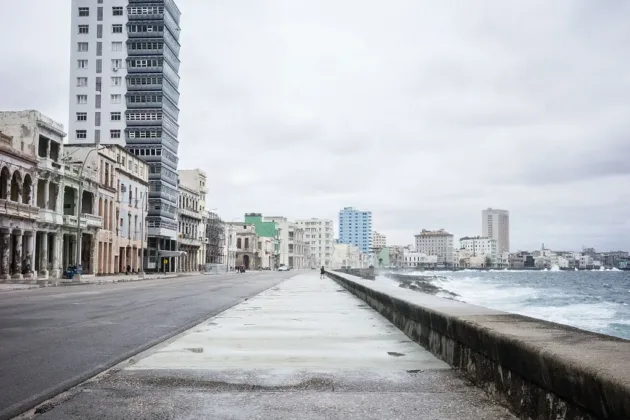
The latest measures, announced on July 23, hit energy companies and further blocked fuel purchases as the island suffered its third nationwide blackout.
The European Union has been pulled in two directions. In June MEPs adopted a resolution by 283 votes to 199, with 85 abstentions, urging sanctions on Díaz-Canel and suspension of the 2016 political dialogue and cooperation agreement with Havana.
The text was carried by the European People’s Party, the European Conservatives and Reformists and Renew Europe over opposition from the Socialists and the Left. The European Commission has not acted on it and in July pledged a further €10 million in humanitarian aid to the island.
Brussels also continues to reject the extraterritorial reach of American measures. Council Regulation 2271/96, the bloc’s blocking statute, was written in 1996 in response to the Helms-Burton Act and forbids member states from applying it.
Addressing the UN General Assembly on July 7, EU ambassador Stavros Lambrinidis said the embargo alone did not explain the island’s plight and called for urgent political and economic reforms by the Cuban authorities.
UN human rights experts took the opposite view on August 6, condemning the sanctions as an attempt to alter the constitutional order of a sovereign State through threats and coercion. They warned that Cuba risked becoming a “silent Gaza”.