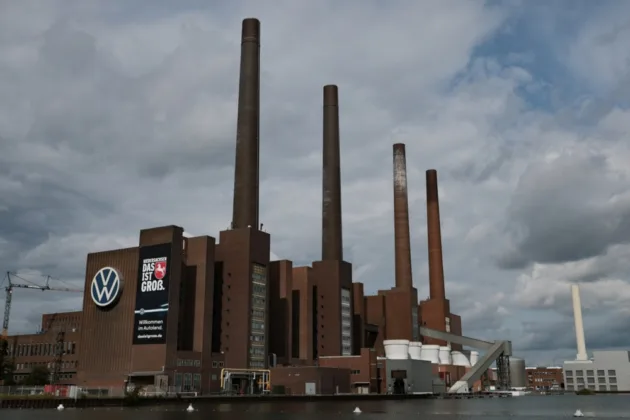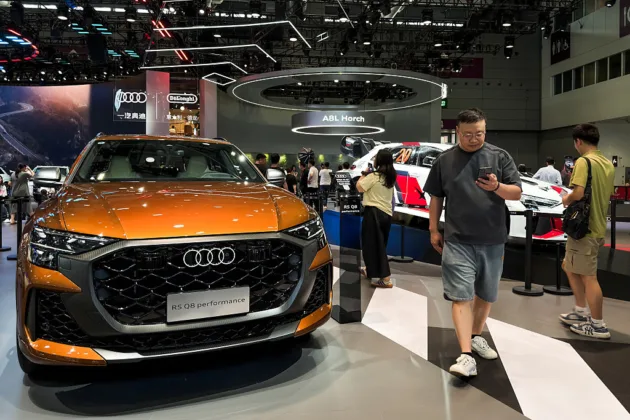












Volkswagen is preparing what could be the most radical restructuring in its history, with CEO Oliver Blume reportedly planning to cut up to 100,000 jobs worldwide and close four German factories.
The proposals discussed at a recent management board meeting include shutting down production at the VW plants in Hanover, Zwickau and Emden, as well as Audi’s plant in Neckarsulm.
The plans would roughly double the previously announced target of around 50,000 job reductions, already called historic at the time due to its impact.
Volkswagen further aims to cut its planned investments by about 15 per cent to just over €130 billion over the next five years, according to Manager Magazin.
As part of the overhaul, the core Volkswagen passenger car brand is to be spun off from Volkswagen AG and turned into a legally independent company, separate from Porsche, Audi and the rest of the group.
The move is intended to make the brand more agile, simplify its structure and allow individual brands to be listed or sold more easily on the capital market in the future.
The measures are expected to be discussed by the supervisory board on July 9. While final decisions could still be watered down due to strong union representation, the scale of the proposed overhaul signals the depth of the problems facing Europe’s largest carmaker.
A Volkswagen spokesperson said he did not want to comment on “confidential documents”, but did say that “The entire group, including its brands and subsidiaries, must undergo far-reaching change.”
Volkswagen has been struggling for some time. In 2025 the group saw profits collapse by nearly 44–50 per cent amid weak demand, particularly for electric vehicles, intense competition from Chinese manufacturers, and high production costs in Germany.
Sales in China, once a major profit driver, have declined sharply, while the costly transition to EVs has not delivered the expected returns.
Adding to this, Chinese automakers are now encroaching the European market, reducing the share of traditional players such as Volkswagen.
The company has also faced pressure from US tariffs and a difficult European market.
These challenges have forced repeated rounds of cost-cutting.
Earlier plans to shed 35,000–50,000 jobs by 2030 are now considered insufficient.
VW’s core brand has been particularly hard hit, with persistent overcapacity in its German factories and margins under severe pressure.
The potential closure of four German plants would mark a historic turning point for Volkswagen, a company that has never before shut down a factory in its home country.
The affected sites employ tens of thousands of workers, and any closures would hit regions already sensitive to industrial decline.
Trade union IG Metall and the works council have reacted strongly, describing the plans as “irresponsible” and vowing stiff resistance.
Job security at Volkswagen has long been a cornerstone of the German social model, making this restructuring politically explosive.
Currently, Volkswagen employs over 667,000 people worldwide, 43 per cent of them in Germany.
Volkswagen’s difficulties are widely seen as symptomatic of deeper challenges facing German industry.
The latest proposals come as Germany’s automotive sector faces broader structural problems such as high energy costs, regulatory burdens from EU climate rules, and fierce global competition.
Volkswagen is facing its most severe restructuring since the 2015 “Dieselgate” scandal as CEO Oliver Blume proposes a €60 billion cost-slashing programme and refuses to rule out closing German plants. https://t.co/UFUdRpvE2r
— Brussels Signal (@brusselssignal) February 17, 2026