







Volkswagen Group is preparing one of the most radical restructurings in its modern history, with plans to halve its model range and reduce global production by around 10 per cent as it battles falling sales, high costs, and intensifying competition from Chinese manufacturers.
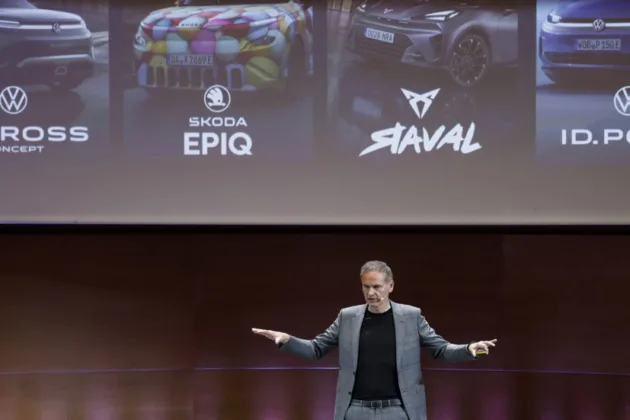
According to internal documents and reports in the German media, the company intends to streamline its portfolio from roughly 40 models to around 20 core offerings across its brands.
The move is part of a broader far ranging cost-cutting and efficiency drive under new leadership as the group confronts a sharp downturn in its core European and Chinese markets.
Production volumes are also set to fall significantly.
Sources indicate a target reduction of about 10 per cent in output over the coming years, with particular pressure on factories in Germany.
Production capacity would be reduced to nine million vehicles per year, down from 10 million currently.
This comes on top of earlier announcements of unprecedented job cuts (up to 100,000 jobs) and the closing down of four plants as the automaker seeks to address overcapacity and rising fixed costs.
The restructuring reflects the profound challenges facing Europe’s largest carmaker.
Volkswagen has seen sales decline amid slowing demand for combustion-engine vehicles, delays in its electric vehicle rollout, and aggressive price competition from Chinese brands both at home and in export markets.
High energy and labour costs in Germany have further eroded competitiveness.
Industry analysts say the decision to cull models marks a shift from the group’s traditional strategy of offering a vast array of variants to cover every market segment.
By focusing on fewer, higher-volume platforms, Volkswagen hopes to achieve significant economies of scale and reduce development and production complexity.
The plans have already sparked concern among works councils and local politicians in Lower Saxony, where many VW plants are located.
Unions warn that the cuts could lead to thousands more job losses beyond those already announced, with supplier companies also in danger.
The company has yet to issue a full official statement on the scale of the model reduction, but executives have spoken publicly about the need for “brutal prioritisation” and faster decision-making.
The restructuring is expected to form a central part of the group’s forthcoming strategy update.
Volkswagen’s difficulties mirror wider problems in the German and European auto sector.
High regulatory costs, the transition to electric vehicles, and shifting global trade patterns are forcing legacy manufacturers to shrink and specialise.
Plans to convert a struggling factory into a missile defence production site for Israel have been slashed as well.
Qatar Investment Authority (QIA), Volkswagen’s third-largest shareholder with around 17 per cent of voting rights, has raised objections to plans that would see the struggling Osnabrück plant repurposed to produce components for Israel’s Iron Dome missile defence system.
The Gulf state maintains no formal diplomatic ties with Israel and has been vocal in its criticism of Israeli actions in Gaza. QIA holds two seats on VW’s supervisory board, giving it significant influence.
German automotive group Volkswagen (VW) is reportedly in talks with Israeli defence company Rafael Advanced Defence Systems over plans to convert a struggling German car factory into a missile defence production site. https://t.co/akxp78YUG4
— Brussels Signal (@brusselssignal) March 25, 2026