




The European Union has implemented new measures on steel imports and low-value e-commerce parcels, effective from July 1, 2026, as part of efforts to tackle its substantial trade deficit with China and protect strategic European industries.
The package includes a significant tightening of steel import safeguards and the removal of the de minimis customs exemption for small parcels, replaced by a new flat €3 duty.
Brussels has framed the package as essential for the EU’s open strategic autonomy in an era of heightened geopolitical and economic competition.
European Commission President Ursula von der Leyen described the changes as restoring “fairness for European businesses” and better protecting consumers from unsafe products.
The measures sit awkwardly with von der Leyen’s own past position on tariffs: in a February 11, 2025 statement opposing US duties on European steel and aluminium, she called tariffs “taxes, bad for business, worse for consumers”.
From today, customs duties apply to e-commerce parcels worth up to €150 entering the EU.
30 million Europeans work in retail; it's our our largest private-sector employer.
And the surge in low-value online imports has put our retailers at an unfair disadvantage.
Too many of…
— Ursula von der Leyen (@vonderleyen) July 1, 2026
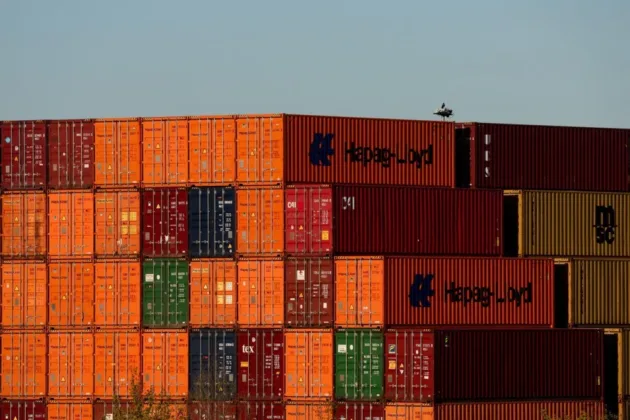
Under the updated steel safeguards the volume of tariff-free steel imports is cut to 18.3 million tonnes per year, a reduction of around 47 per cent from 2024 levels.
Imports exceeding the quota face tariffs of up to 50 per cent (doubled from the previous 25 per cent), with enhanced traceability requirements. Importers must document the country where steel was melted and poured, a rule that applies from October 1, 2026.
The moves aim to shield the EU’s steel sector from global overcapacity, largely attributed to heavily subsidised Chinese production. Global steel overcapacity is projected to reach 721 million tonnes by 2027, according to the OECD, more than five times the EU’s annual consumption.
The EU steel industry has faced mill closures, job losses and decarbonisation costs while contending with a flood of cheaper imports.
Crude steel output has fallen to what the European Steel Association (Eurofer) calls a “historic low”, with EU production of 125.8 million tonnes in 2025 the weakest on record. Eurofer, which represents European steel producers, has long urged stronger safeguards. Its director-general, Axel Eggert, warned in March that European production was shrinking while imports were rising, and pressed policymakers to agree the new measure without weakening it.
The new regulation replaces the steel safeguard in place since 2018, which expired on June 30. MEPs approved it in May by 606 votes to 16, with 39 abstentions.
From July 1, the EU has scrapped the de minimis exemption for parcels valued below €150, introducing a flat €3 customs duty charged per item, according to its tariff classification, rather than per parcel. A shipment containing three different product types therefore attracts three separate charges. The duty is temporary, running until 2028, when standard product-category tariffs take over, and a separate handling fee of about €2 is due to follow in November 2026.
The change targets the surge in direct-to-consumer low-value shipments, particularly from Chinese platforms such as Shein and Temu, which have disrupted European retailers.
Small parcel imports surged to 5.9 billion in 2025 from about 1.4 billion in 2022, with about 90 per cent originating in China, according to the European Commission.
Officials argue that many such goods bypass full taxation, proper safety, environmental and labour standards.
The EU’s trade deficit with China reached around €360 billion in 2025, roughly €1 billion a day, and continued to widen in 2026.
These measures form part of a broader “de-risking” strategy that includes the Critical Raw Materials Act and supply-chain diversification rules limiting reliance on single (often Chinese) suppliers for key components.
China has criticised the steel restrictions and is engaging through World Trade Organisation (WTO) channels.
In May, China’s Ministry of Commerce cautioned the European Union against introducing new steel import rules, stating that China would respond firmly to any discriminatory measures targeting its companies or products.
Chinese Ministry of Foreign Affairs spokesperson Guo Jiakun said on June 30 that China and the EU are “partners, not rivals”.
Beijing has warned that such curbs could harm consumers and global trade.
European businesses are mixed: Steel producers welcome protection, while some retailers and logistics firms fear higher costs and delays.
The regulations reflect growing EU frustration with asymmetric market access.
While the bloc maintains open markets, it faces state-driven Chinese overproduction in sectors like steel, electric vehicles and solar panels.
Additional probes into aluminium, scrap metal and e-commerce platforms (including fines under the Digital Services Act) are ongoing. The Commission opened separate Digital Services Act proceedings against Shein in February 2026 over the sale of illegal products and addictive design.
These steps align with similar actions by the US and others, signalling a coordinated Western shift towards managed trade in strategic goods. Washington scrapped its own $800 de minimis exemption on parcels in 2025.
EU officials insist the measures comply with WTO rules and are not protectionist but defensive, aimed at preserving industrial capacity and levelling the playing field.