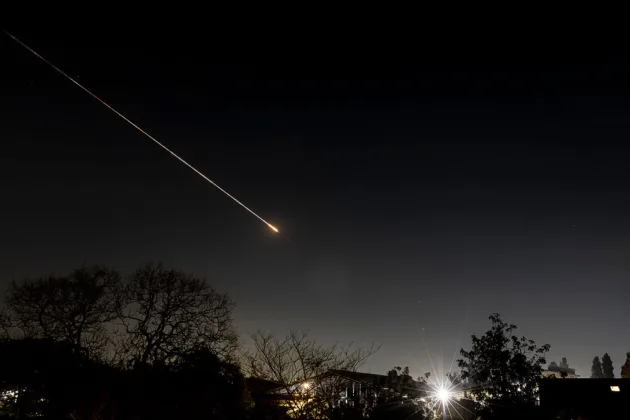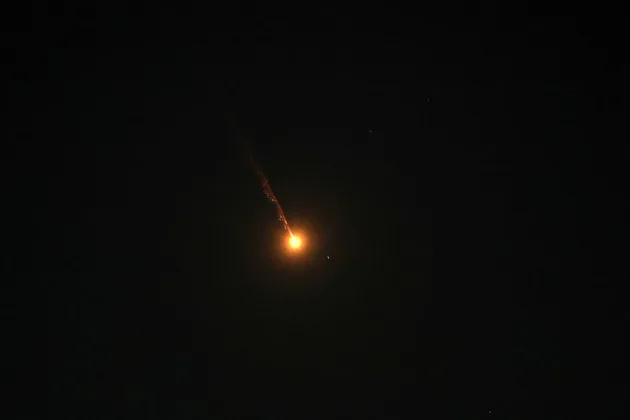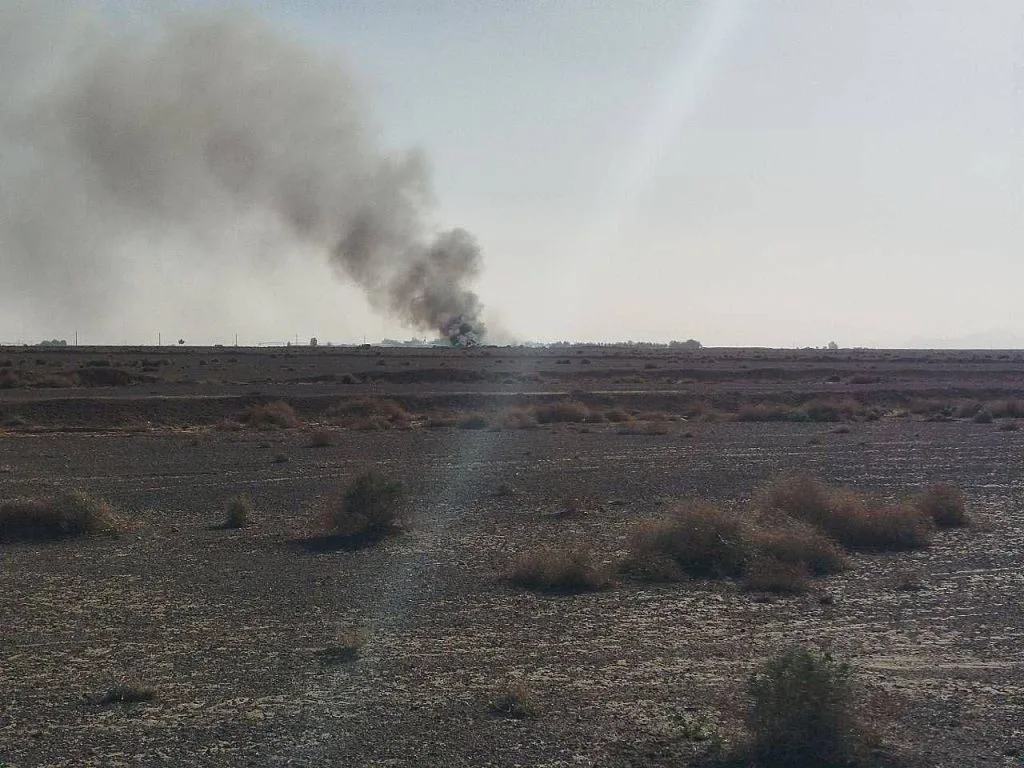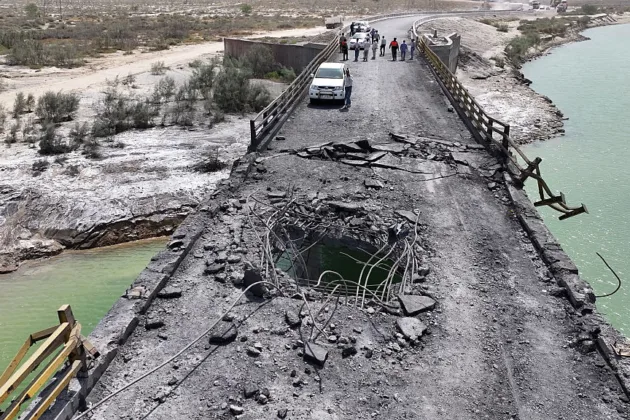



Iran has launched missile and drone attacks on United States forces at three bases in Jordan and the United Arab Emirates (UAE), in retaliation for an American strike on Larak Island in the Strait of Hormuz.
The Islamic Revolutionary Guard Corps (IRGC) said on August 31 that it had fired ballistic missiles at the King Hussein and Al Azraq air bases in Jordan. It said the attack hit maintenance infrastructure and areas where US fighter jets were stationed.
Hours later the Iranian army said it had sent dozens of drones against helicopters and troops at Al Minhad air base, some 30km south of Dubai. It described the site as a hub for supporting and moving foreign forces.
A Jordanian army spokesman said air defences had intercepted eight missiles inside the kingdom’s airspace and destroyed them before they could threaten people or property. The UAE authorities have said nothing about the attack near Dubai.
US Central Command confirmed American forces struck two Iranian launchers on Larak Island on August 30. Spokesman Tim Hawkins said IRGC troops had been seen “preparing to launch rockets with sea mines” into the strait.
Tasnim reported preliminary figures of two people killed and two wounded in the American raid. The Iranian army said its forces would keep operating until the threat to its territory was removed.
It was the first exchange of fire in about a month and followed the expiry of a ceasefire on August 17. Brent crude for November delivery rose more than 2 per cent, back above $90 a barrel.
That matters in Brussels. The waterway carried around a fifth of the world’s oil and liquefied natural gas (LNG) before it closed at the end of February, and shipping has fallen from roughly 130 vessels a day to about 12.
The European Commission has cut its 2026 growth forecast for the bloc to 1.1 per cent and raised its inflation projection to 3.1 per cent, blaming the energy shock. The Council of the European Union extended its sanctions regime against Iran in May over the blockade.
Iranian planners have separately examined strikes on US facilities in Bulgaria and Cyprus, both EU member states, according to regime insiders quoted by the Financial Times this month. Greece moved a Patriot battery to Crete on August 25.
US President Donald Trump said on August 30 that Iran’s oil export hub of Kharg Island was being “blown to smithereens”. There was no evidence of an attack there and the post carried an AI-generated clip.
He said on August 18 that no talks with Tehran were under way, and that the naval blockade of Iranian ports remained in force.