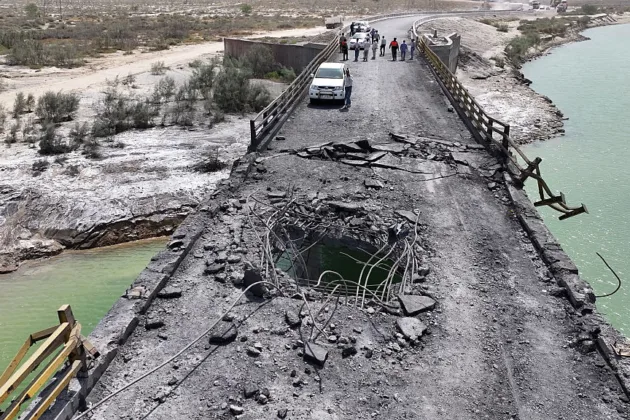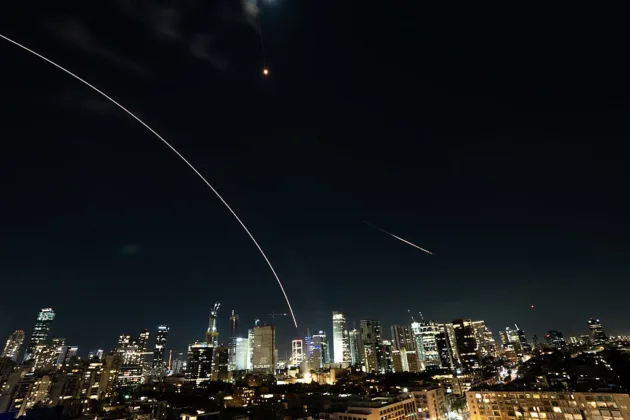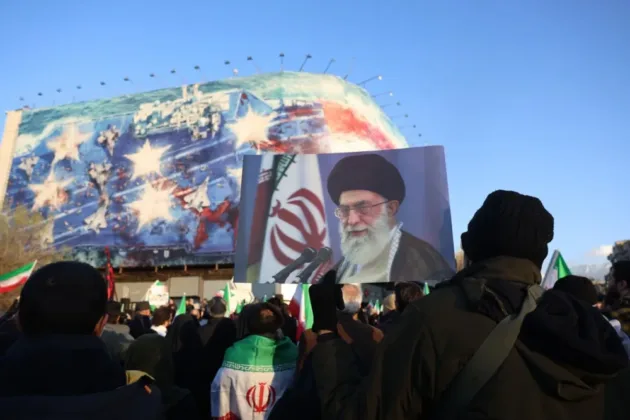







Iran has launched a wave of missile and drone attacks on US military bases in Jordan, Iraq, Kuwait and Bahrain after a US strike hit a wedding celebration in the south of the country, killing at least four people.
The Islamic Revolutionary Guard Corps (IRGC) said on September 2 that it had fired ballistic missiles at a US Marine base near the Jordanian port of Aqaba and attacked a US base in Erbil, capital of Iraq’s Kurdistan region, with missiles and drones.
It claimed to have destroyed a repair centre, warehouses and fuel depots at Erbil and to have killed several US personnel. Washington had not confirmed casualties.
Kuwait’s army said its air defences were engaging hostile missiles and drones. Bahrain’s interior ministry told residents to seek shelter and the country’s air defences later intercepted Iranian drones, the Bahrain News Agency reported.
The barrage followed US strikes on September 1 along Iran’s southern coast, with explosions reported in Bandar Abbas, Chabahar and on Qeshm Island.
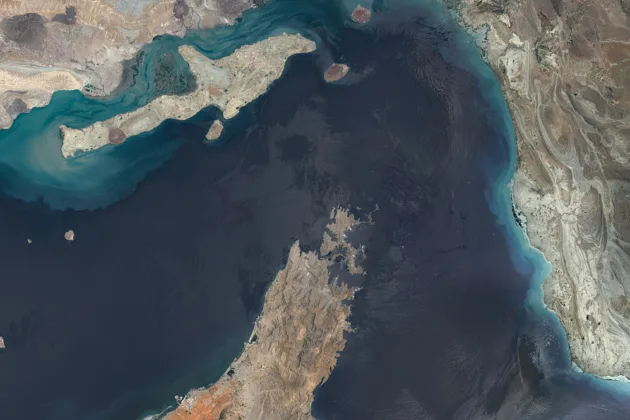
US Central Command said the strikes hit air defence sites, radar systems and mine-laying capabilities after attempted IRGC attacks on commercial shipping in the Strait of Hormuz and on US forces.
The Iranian Red Crescent said shrapnel from a US strike hit a house in Kuhestak, in Sirik county, where a wedding was under way, killing four people including a child and injuring more than 50. Iran’s Press TV put the death toll at five.
Foreign ministry spokesman Esmaeil Baghaei wrote on X that the house “was brutally attacked tonight while families were celebrating a wedding”. He linked the incident to the US strike on a school in Minab on February 28, in which more than 150 people died.
The US military said it was aware of the reports but that it did not target civilians.
US President Donald Trump said the strikes were a response to Iranian attempts to lay more sea mines in the strait and to an attack on a US base in Jordan on August 30. He warned that Tehran would be “hit much harder” if it continued to retaliate.
The exchange is the sharpest escalation since a US bombing campaign in July, after which the two sides agreed to hold fire while talks continued in Doha. Fighting resumed on August 30 when US forces struck rocket launchers on Larak Island.
Iran has blockaded the strait, through which roughly a fifth of the world’s oil and liquefied natural gas passes, since the war began on February 28.
The renewed fighting has already reached European markets. Reuters reported on August 31 that the resumption of strikes pushed oil prices and bond yields higher, with investors pricing in a European Central Bank rate rise this month.