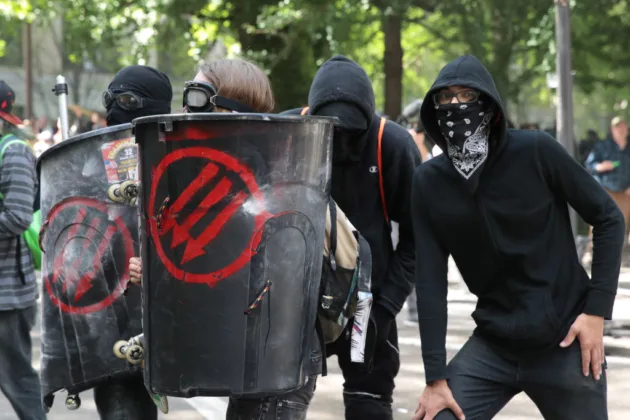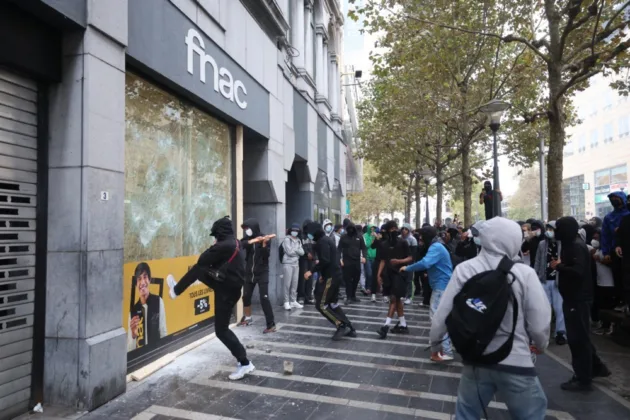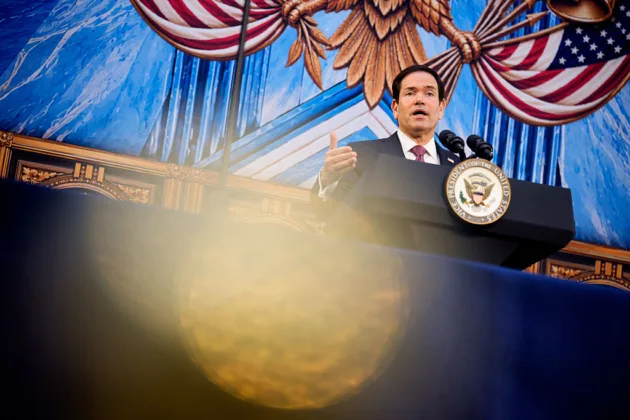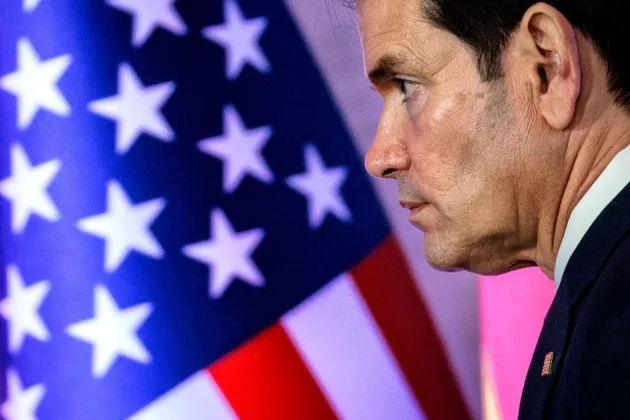








US Secretary of State Marco Rubio has launched an international initiative to elevate violent far-left extremism to a global counterterrorism priority, arguing that governments have spent decades focusing on Islamist and right-wing threats while overlooking a growing wave of politically motivated attacks by left-wing militants.
Rubio hosted representatives from more than 65 countries in Washington on July 17 for a ministerial conference on what the State Department described as “far-left political terrorism”.
The meeting focused on expanding intelligence sharing, law enforcement cooperation and sanctions against transnational extremist networks.
According to senior State Department officials, the initiative is the culmination of months of diplomatic efforts to persuade allies that violent far-left groups were getting more active and should be treated as a coordinated security threat rather than isolated domestic movements.
Rubio warned delegates that what he described as “poisonous far-left terror” was often “masked as equality, climate activism or anti-fascism”, arguing that extremist groups had exploited those causes to justify violence against political opponents, public institutions and critical infrastructure.
“You are here because this is real and it is getting worse, and it can no longer be denied, and it can no longer be ignored,” Rubio said. “It is time to crush this evil forever.”
“It’s time for people of the civilized world to defend themselves,” he added.
“Today we face a new wave of this old evil here in the United States, the share of left wing terrorist attacks and plots has risen to levels not seen in decades,” the secretary explained.
Rubio said far-left groups had evolved into transnational networks that exchange training materials, encrypted communications, financing and operational support across borders, often with the backing of hostile foreign regimes.
He argued the US and its allies could no longer treat such attacks as isolated domestic incidents and instead needed closer intelligence cooperation, coordinated law enforcement action and tougher measures against terrorist financing.
The initiative builds on measures already taken by the Trump administration, which has designated four European far-left organisations as Foreign Terrorist Organizations and offered financial rewards for information on their financing and leadership. Officials said Washington wants allies to adopt similar measures and strengthen cooperation against violent extremist networks.
The proposal has nevertheless generated unease among some European governments and civil liberties groups, who argue that existing counterterrorism frameworks already cover politically motivated violence regardless of ideology and warn against conflating violent extremists with broader protest movements.
The renewed focus follows a string of high-profile attacks attributed to left-wing extremists in Europe and the United States.
In the US, conservative activist Charlie Kirk was shot dead during a public event in September 2025. The Trump administration has repeatedly cited the killing as evidence that ideologically motivated violence against conservatives has become a major national security concern.
US Supreme Court Justices Amy Coney Barrett and Elena Kagan warned Congress of a sharp increase in threats against members of the judiciary. Barrett recounted being forced to wear a bulletproof vest following the leak of the Dobbs abortion ruling and described a subsequent “swatting” attack targeting her family, while Kagan said the Supreme Court Police expected threats against justices to rise by 38 per cent this year.
In Britain, former Conservative minister Ann Widdecombe was murdered earlier this month in what police are investigating as a terrorist attack. Detectives later said material linked to communist ideology had been found during searches of the suspect’s home, prompting counterterrorism police to take over the investigation.
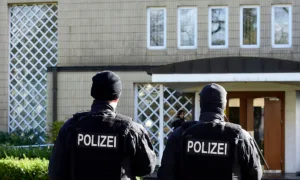
Germany has also witnessed several attacks linked to radical environmental and anti-capitalist activists in recent years, including violent assaults on individuals, repeated sabotage of critical infrastructure, arson attacks claimed by left-wing extremist groups and violent confrontations with police during protests.
In France, anarchist and ultra-left groups have repeatedly been implicated in attacks on police stations, government buildings and infrastructure, but also on right-wing indivduals, such as Quentin Deranque while Italian authorities have continued investigations into violent anarchist networks responsible for bombings and attacks on public officials.
Despite this, many European governments seem to have largely ignored or tolerated this left-wing violence.
Lina E., the convicted leader of the left-wing extremist hammer gang, has been ordered back into prison after refusing to testify as a witness against her former fiancé in an ongoing trial. https://t.co/3cEEjMDe4R
— Brussels Signal (@brusselssignal) July 1, 2026