
British Prime Minister Keir Starmer has unveiled a £15 billion (€17.5 billion) increase in military spending, presenting a long-delayed investment plan in what is expected to be one of his final acts in office.
The extra funding, spread over four years, would raise annual defence spending to nearly £80 billion (€94 billion) by 2029, reversing what Starmer called years of neglect under the previous Conservative government.
He said the plan took Britain to 4.2 per cent of gross domestic product (GDP) under NATO’s broader security commitment, which counts infrastructure and energy alongside core military spending. Core defence spending would reach 2.7 per cent of GDP by 2029, with the government aiming for 3 per cent in the next parliament.
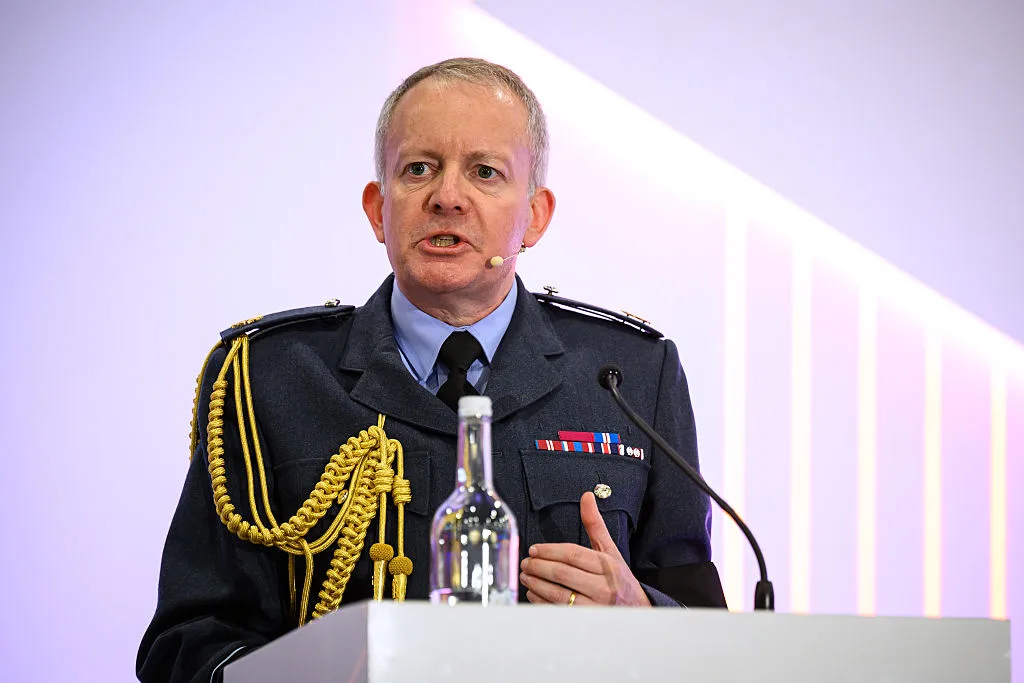
Starmer framed the announcement around deterrence, telling an audience at a defence firm in southern England that the surest way to avoid war was to prepare for it. He described the plan as “a huge historic shift for our nation”.
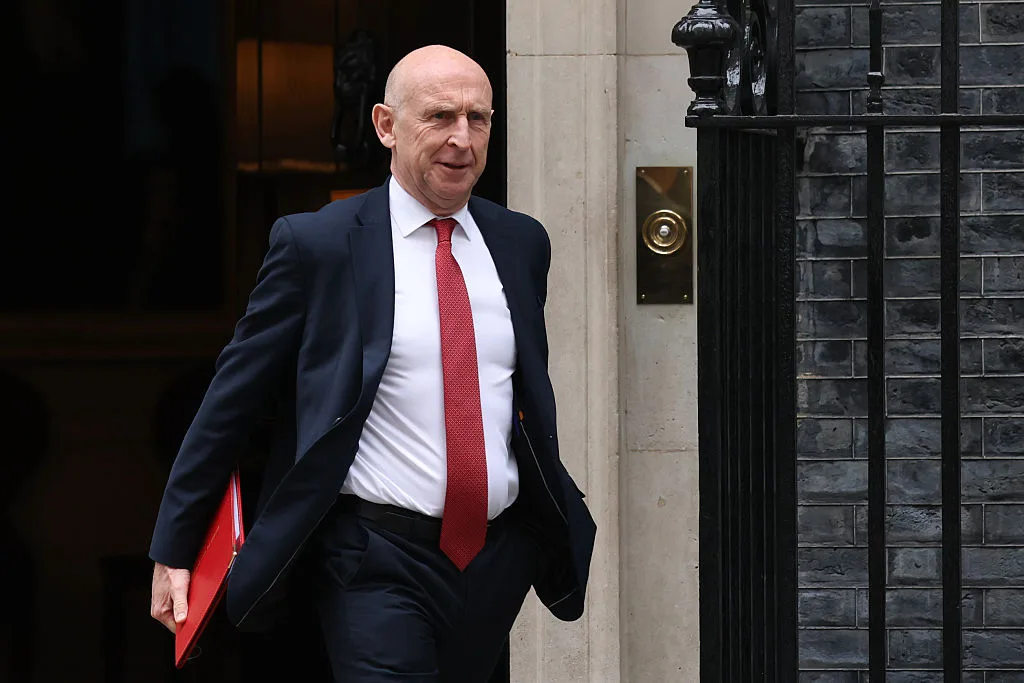
The blueprint followed a public dispute with former defence secretary John Healey, who resigned earlier this month over what he saw as inadequate funding. Healey had secured £13.5 billion (€15.8 billion), though defence chiefs had sought £28 billion (€32.8 billion) and critics said the package remained too small.
New spending would fund a replacement nuclear warhead, Dreadnought and SSN-AUKUS submarines and 12 F-35A fighter jets capable of carrying nuclear weapons. A further £5 billion (€5.9 billion) was earmarked for drones and autonomous systems, alongside plans for a “hybrid navy” built around six new warships.
Starmer said he would take the plan to a NATO leaders’ summit in Ankara on July 7-8, where allies agreed last year to lift defence spending to 5 per cent of GDP by 2035. Military officials have warned that Russia could threaten a NATO member as soon as 2030.
The Prime Minister, who is due to leave office once the Labour leadership contest concludes, said his successor would build on the plan. Andy Burnham, widely expected to replace him, could take power as soon as July 20.
Starmer said the record investment would leave the country better defended and its adversaries more wary, casting the programme as the legacy he most wanted to be remembered by.