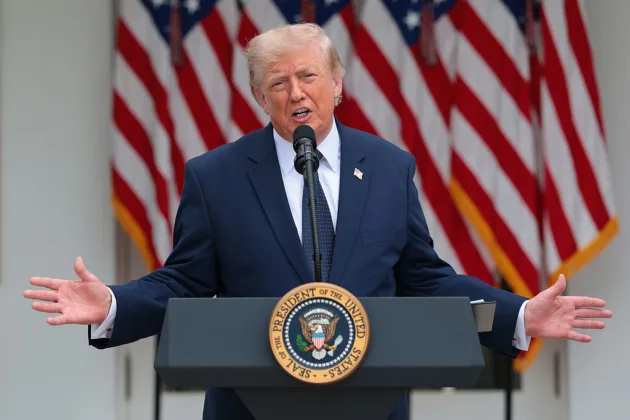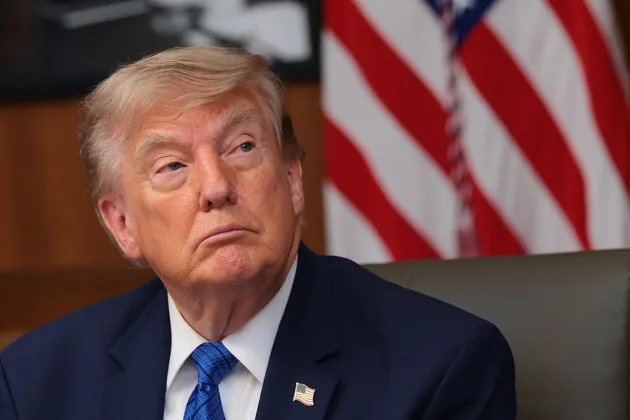











US President Donald Trump has scrapped a plan to charge cargo ships a 20 per cent fee for crossing the Strait of Hormuz, saying Gulf states would instead invest in the United States.
Trump announced the reversal on July 14, a day after unveiling the levy following what he called highly productive talks with Middle Eastern leaders. He did not name the countries or give a figure.
The president predicted the investments would be enormous and said they would bring factories, plants and equipment to the United States, creating millions of well-paid American jobs.
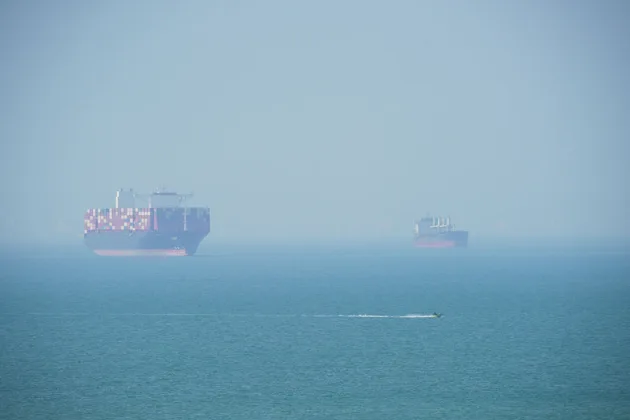
He said the waterway would stay open to all shipping other than Iran. “All other countries will have fair and open use of the Strait,” Trump wrote on his Truth Social platform.
A naval blockade would apply only to vessels travelling to or from Iranian ports, or carrying Iranian cargo. He blamed Tehran for the disruption.
Trump had declared the strait open on July 13 and set the 20 per cent charge as a security payment. The move came a day after Iran was reported to have moved to shut the passage in response to renewed US air strikes.
He had earlier singled out Saudi Arabia, Qatar, the United Arab Emirates, Kuwait and Bahrain as states that should reimburse Washington for protecting the route.
The president reiterated that Iran would never obtain a nuclear weapon and praised the US military, naming Defence Secretary Pete Hegseth and senior commanders.
Trump also claimed Iran had killed hundreds of thousands of people, including 52,000 protesters. He gave no evidence and the figure far exceeds other counts, with Iranian state media putting the war’s toll at more than 3,300.
The confrontation has unravelled a memorandum of understanding signed in June, which opened a 60-day window for nuclear talks and barred Tehran from charging ships in the strait.
That accord had already frayed as both sides exchanged strikes, and Trump has declared it effectively over. Oil prices climbed sharply after the blockade was restored, with Brent crude rising close to 10 per cent.
About a fifth of the world’s seaborne oil passes through the Strait of Hormuz, handing Tehran considerable leverage as its standoff with Washington deepens.