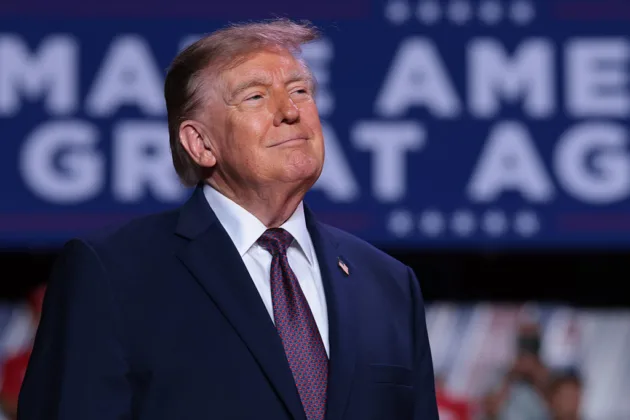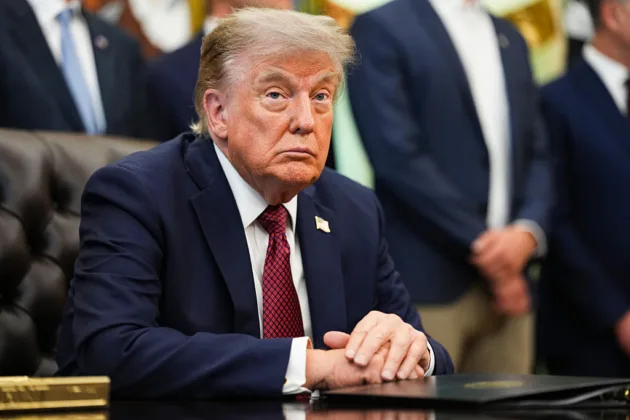







US President Donald Trump has warned that Iran is facing a last chance to reach a settlement before what he described as decapitation. He made the remark in the Oval Office on August 3 after signing an executive order on military families.
Asked by reporters what had changed since his previous threats, Trump said: “I want to give them every last chance before decapitation.” He added that the planned operation remained on the table and would be difficult to carry out.
Trump insisted talks with Tehran were already running, at the request of Saudi Arabia, the United Arab Emirates, Qatar and other governments. Iran’s foreign ministry denied the same day that any negotiations with Washington were taking place, saying its contacts were with Oman alone.
The US President set out a two-stage process. The first phase would reopen the Strait of Hormuz, which he suggested could happen within a day, followed by talks on Iran’s denuclearisation that he conceded would take longer.
The warning has followed a weekend in which Trump called off strikes he described as the biggest since the Second World War. It was the fifth time he has pulled back from an attack since April, according to The Hill.
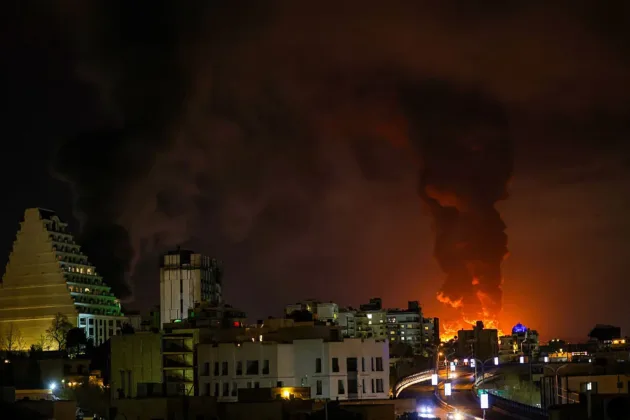
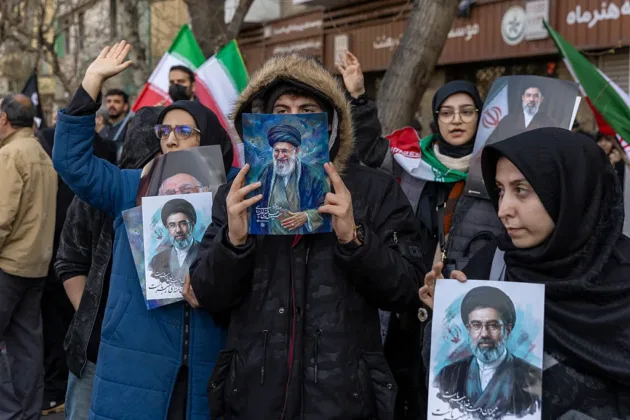
The war began on February 28, when US and Israeli strikes killed supreme leader Ali Khamenei. Tehran responded by choking off the strait, through which about 20 per cent of the world’s oil and a comparable share of its liquefied natural gas passed before the conflict.
For the European Union the consequences have been measured in cargo rather than rhetoric. The closure has added billions of euros to the bloc’s fossil fuel import bill, pushed gas and oil prices sharply higher and left war risk premiums on Gulf shipping at punishing levels.
Brussels has kept its distance from the fighting itself. EU foreign ministers declined to extend the naval mission Operation Aspides into the Gulf, with foreign policy chief Kaja Kallas stating that “this is not Europe’s war”.
The bloc confined itself to sanctions adopted on May 22 against Iranian officials and entities held responsible for obstructing transit, and to backing the memorandum of understanding signed by Trump and Iranian President Masoud Pezeshkian in June.
European Commission President Ursula von der Leyen welcomed that agreement and pressed for the waterway to open without charges. “Freedom of navigation must be restored toll-free,” she said, arguing that energy dependency had again been used as a weapon.
Seven weeks on, the memorandum has yet to deliver. Early on August 4 the UK Maritime Trade Operations centre reported that a cargo vessel had been struck by an unknown projectile in the strait off the Omani coast.