
Ukrainian President Volodymyr Zelensky has dismissed Oleksandr Syrskyi as commander-in-chief of the armed forces after six consecutive days of street protests demanding his removal.
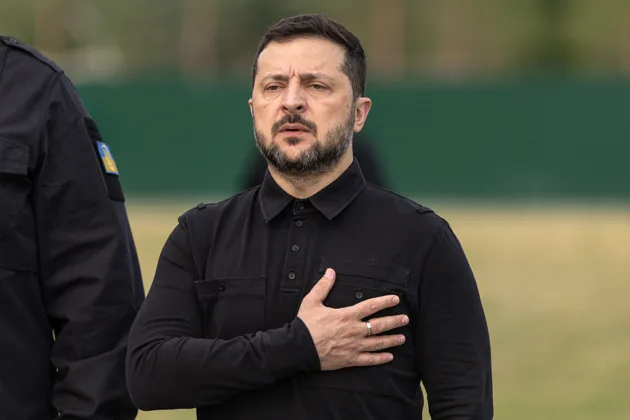
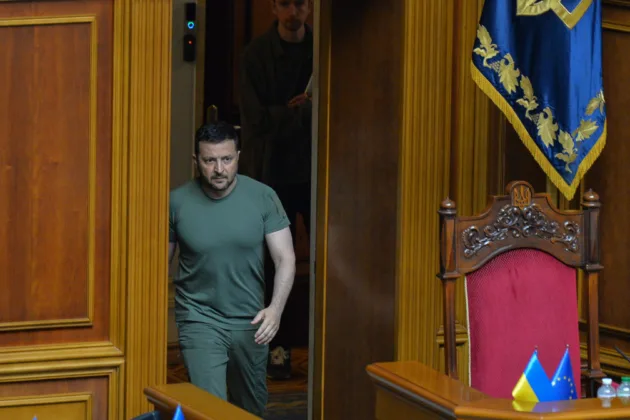
In an evening address on July 21 the President named Major General Mykhailo Drapatyi, commander of the Joint Forces, as Syrskyi’s successor. He said the appointments would be formalised the following day.
Zelensky said he had agreed with Drapatyi, acting defence minister Yevhen Khmara and presidential office deputy head Pavlo Palisa on how the General Staff should be restructured. He thanked Syrskyi for the defence of Kyiv, the Kharkiv offensive and the Kursk operation.
“Every warrior must be treated with dignity,” the President said.
The demonstrations began on July 16, a day after Zelensky removed Mykhailo Fedorov as defence minister in a wider government reshuffle. Thousands gathered nightly in central Kyiv, with further rallies in Lviv, Odesa, Dnipro and Kharkiv.
Protesters had two demands: The reinstatement of Fedorov and the dismissal of Syrskyi. Veteran and protest organiser Dmytro Koziatynskyi had called for an indefinite general protest if both were not met by July 24.
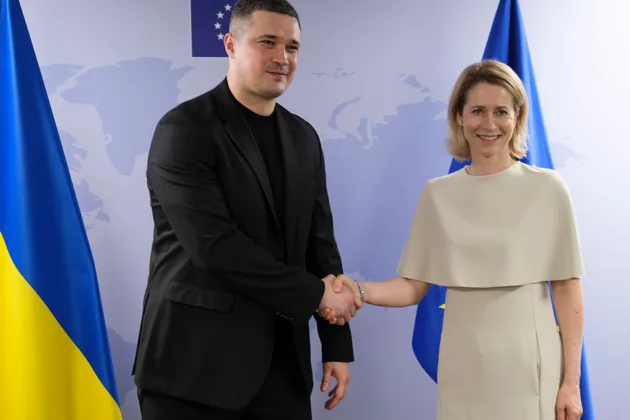
Fedorov, 35, spent six months in the post after serving as Ukraine’s first digital transformation minister. He was credited with expanding drone production and overhauling defence procurement.
The day after his dismissal he told reporters that Syrskyi had issued an ultimatum to Zelensky, accusing the commander of having “split the country”.
Syrskyi, 60, had led the armed forces since February 2024. Soldiers, lawmakers and military analysts criticised his centralised, Soviet-influenced command style and the casualties incurred in attritional battles such as Bakhmut.
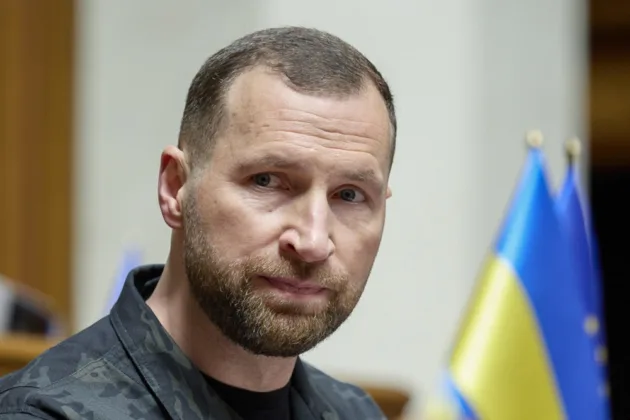
Drapatyi, 43, commanded the Ground Forces from November 2024 until June 2025, when he offered his resignation after a Russian missile strike killed soldiers at a training ground in Dnipropetrovsk region, central Ukraine. He has argued for greater initiative among subordinate commanders and faster decision-making.
He publicly backed Fedorov’s reform agenda a day after the minister’s removal, writing that the military needed change and that commanders had no right to stay silent about problems.
Khmara, a major general and former head of the SBU security service’s Alpha unit, took charge of the defence ministry on July 20. Ukrainian law reserves the post for a civilian and parliament has yet to confirm him.
Zelensky said he met Fedorov on July 21 and offered him a senior role bringing together the State’s technological capabilities. He did not say whether the offer had been accepted.