



The European Union and Mauritania have reached an agreement to renew their sustainable fisheries protocol, days after its expiry forced European vessels out of the West African country’s waters. The European Commission announced the deal in Brussels.
Fisheries Commissioner Costas Kadis confirmed the outcome as he arrived for a meeting of EU agriculture and fisheries ministers. He said the pact would benefit Mauritania, the EU and the fishing sector alike and thanked Mauritanian fisheries minister Aïssata Lam for what he described as constructive exchanges.
Kadis said he hoped the agreement would be implemented effectively and that he would brief ministers on the result during the day’s session of the Council of the European Union. He did not disclose the terms of the new protocol or say when the affected vessels might resume fishing.
The previous protocol expired on November 14 without Brussels and Nouakchott agreeing a renewal. European boats were forced to leave the fishing grounds and look for temporary alternatives.
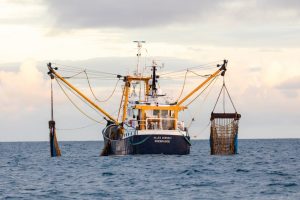
In Spain’s case, some 30 vessels were affected, mainly shellfish boats, freezer tuna purse seiners and trawlers. The Spanish Government had pointed to the waters of Portugal and Guinea-Bissau as temporary destinations while talks continued.
Spanish agriculture and fisheries minister Luis Planas welcomed the agreement on social media as excellent news. He described the protocol as very important for Spain’s fishing sector.
Arriving at the meeting minutes earlier, Planas said negotiators had worked intensively throughout the weekend. He insisted Madrid had contemplated no outcome other than a deal that would keep its boats fishing in Mauritanian waters.
The Mauritania agreement is the largest fisheries deal the EU has with a third country, according to the Commission. Under the expired protocol, which ran from November 2021, Brussels paid €57.5 million a year for access plus €16.5 million over the five-year period to support Mauritania’s fisheries sector.
Talks had stalled over money and access, with Nouakchott reportedly demanding payments well above that level. The Commission had offered higher compensation and higher fees for shipowners.
The Mauritanian standoff came as Spain’s distant-water fleet was losing access to other African grounds. The EU’s fisheries arrangements with Morocco lapsed after the bloc’s top court ruled in 2024 that deals covering the waters off Western Sahara required the consent of its people.
Protocols with Senegal and Gabon have also expired. Before today’s announcement, the Spanish Fisheries Confederation (Cepesca) had estimated that 173 fishing licences, equivalent to about 100 vessels, were affected across the region.