




Reports of sexual assaults in Spain’s city of Ceuta have risen by 650 per cent in the three months following a mass border crossing from Morocco, according to official emergency service figures.
Data compiled by Ceuta’s 112 Emergency Service covering the period from July 30 to October 29, 2026 recorded 30 sexual assault calls and reports, up from four during the same period in 2025, Spanish daily El Español reported on November 18.
More than half of the reported incidents, 16 cases, involved minors, a category in which no cases had been logged during the equivalent three-month window the previous year.
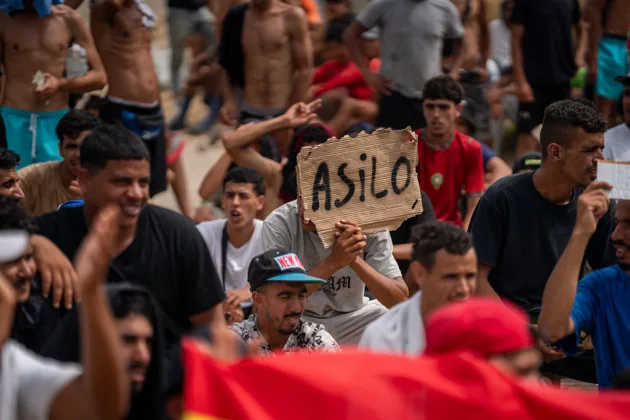
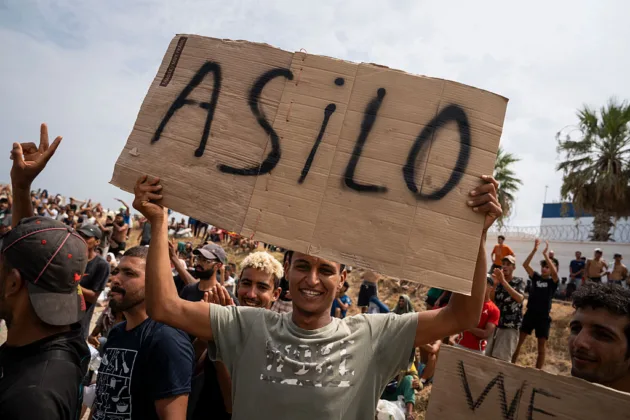
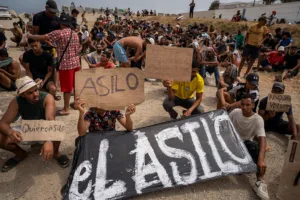
The sharp rise follows the arrival of an estimated more than 80,000 migrants who crossed into the Spanish territory from Morocco on July 30 and 31, according to the Spanish Government, placing unprecedented strain on local reception facilities, policing and municipal infrastructure. The Government has said most of them returned to Morocco within 48 hours, though thousands remained in a city of some 84,000 inhabitants.
The 112 figures point to a broader deterioration in public order across the city.
Total emergency incidents handled by authorities jumped fivefold over the three-month period, from 2,233 in 2025 to 11,286 in 2026, a trend regional government sources described as “extraordinarily worrying”.
According to the breakdown of the data, reports of general assaults rose from 209 to 1,777, while knife attacks increased nearly twelvefold from 23 to 268 incidents and firearm incidents jumped sevenfold from 8 to 56 cases.
Break-ins and trespassing surged from 35 to 1,018 reports, violent street robberies climbed from 11 to 115, public disorder incidents rose from 85 to 618, and reports of child abandonment escalated from 15 to 265.
Officials and Spanish media have noted important caveats in interpreting the 112 emergency call data. El Español itself stressed that the records are not necessarily proven crimes.
While 30 sexual assault incidents were logged by the emergency service between late July and late October, Spain’s Ministry of Health recorded two hospital admissions for sexual assault in Ceuta over the same period. That suggests not all emergency calls resulted in formal police complaints, hospitalisations or judicial proceedings.
Nevertheless, judicial authorities have independently confirmed a significant rise in sexual violence since the summer influx.
By September 1, Spanish prosecutors reported that 23 formal sexual assault cases, including nine involving children, had already been opened in Ceuta following the arrivals, according to Africanews. Ceuta chief prosecutor Silvia Rojas warned that the real figure could be higher because some victims had not come forward.
By September 22, the number of cases had risen to 37, with 14 minors among the victims, Euronews reported.
Earlier field reporting by Reuters and Hespress in August highlighted that migrant women and unaccompanied minors sleeping in overcrowded makeshift camps near the Temporary Immigrant Reception Centre (CETI) were among the most vulnerable targets of night-time assaults.
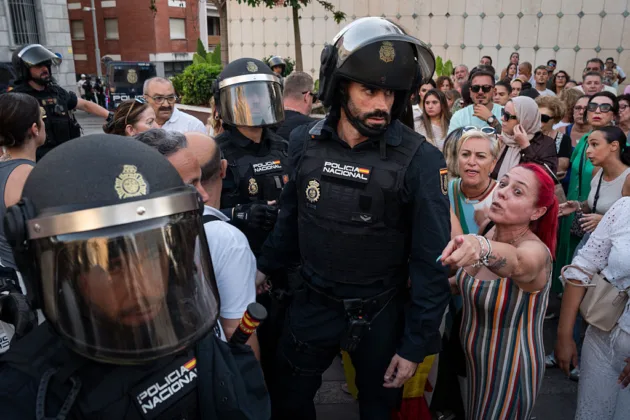
The security crisis, compounded in October by heavy rains that overwhelmed drainage systems around informal settlements, has prompted major clearance operations. On October 11, more than 350 National Police officers, backed by the Guardia Civil, local police and the armed forces, dismantled the makeshift camp at the El Guano esplanade.
Government delegate in Ceuta David de la Encina said 600 people were removed, of whom 348 adults chose to return to Morocco.
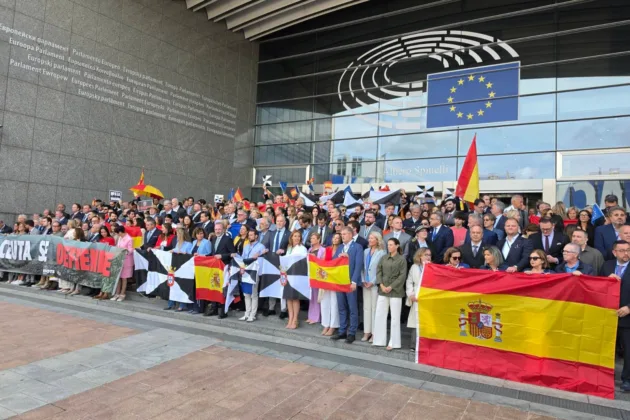
Ceuta’s regional president, Juan Jesús Vivas of the People’s Party (PP), has criticised Prime Minister Pedro Sánchez’s central government in Madrid. He has spoken of a “justified sense of abandonment” among residents and called for stronger deterrence towards Morocco, which he has accused of using the influx “as an instrument” to challenge an EU member state.
With Spain’s general election scheduled for November 29, the surge in violent crime and border pressures in Ceuta has moved to the forefront of the national campaign, with opposition parties demanding stronger border enforcement and increased security deployments to the city.
PP leader Alberto Núñez Feijóo chose Ceuta for his first pre-campaign event, while Vox leader Santiago Abascal has called for the permanent militarisation of the border.
Around 70% of recent asylum applicants arriving in Spain’s North African enclave of Ceuta reportedly cited persecution due to their sexual orientation, according to Spanish media. https://t.co/tpjvlHCn9o
— Brussels Signal (@brusselssignal) October 22, 2026