



A former US ambassador to NATO has dismissed the alliance’s “NATO 3.0” rebrand as a cosmetic exercise, saying Washington no longer regarded the defence of Europe as central to American security.
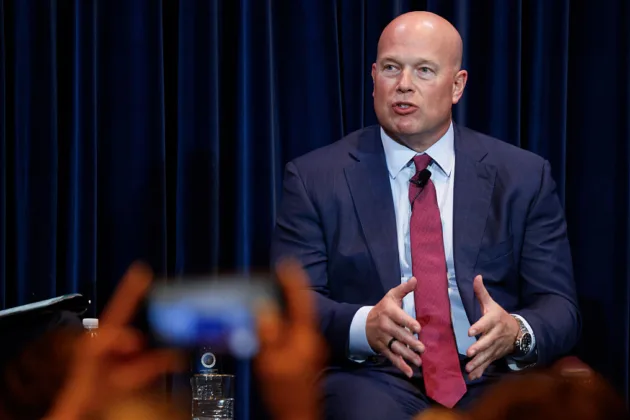
Ivo Daalder, who represented the United States at NATO under president Barack Obama, said the label amounted to little more than window dressing. “It really is like putting lipstick on a pig,” he said.
He argued that alliances rested on a shared reading of the threat and on the principle that the security of every member was indivisible. Both of those ideas, he said, had been abandoned by the current administration.
The term NATO 3.0 was coined by Elbridge Colby, US under secretary of war for policy. It describes a division of labour in which European allies assume primary responsibility for the continent’s conventional defence while Washington concentrates on the western hemisphere and the Indo-Pacific.
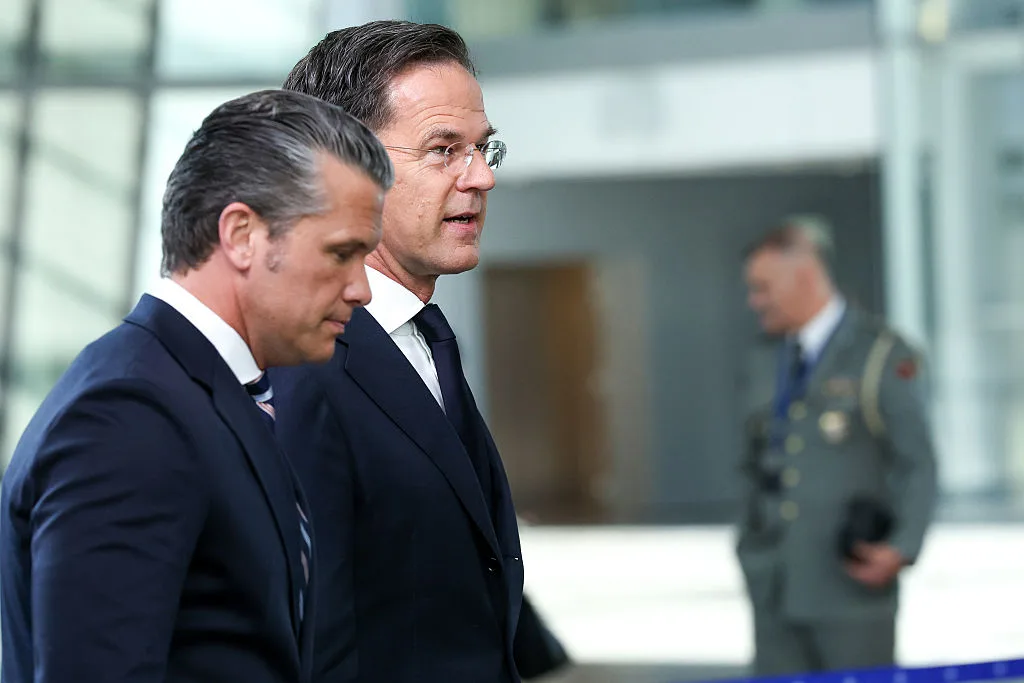
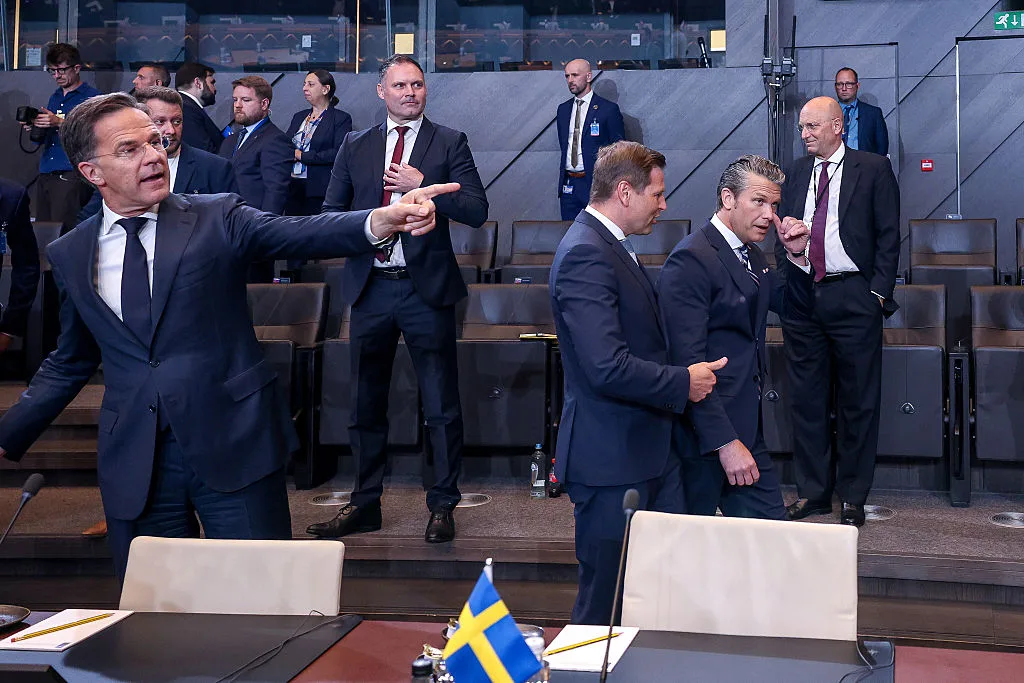
US defence secretary Pete Hegseth pressed the concept on allies at a meeting of NATO defence ministers in Brussels on June 18, ordering a review of American force posture in Europe lasting up to six months. He said the alliance had to become a serious military bloc again.
NATO Secretary General Mark Rutte has presented the shift as a strengthening of the alliance rather than a retreat, crediting the pressure applied by President Donald Trump. “A stronger Europe in a stronger NATO,” he told reporters in June.
The Pentagon told allied military planners in June that it was shrinking the pool of capabilities available to Europe in a crisis. Among the assets being pulled back are B-52 bombers and submarines, with the number of F-16 and F-15E combat aircraft on offer falling from about 150 to 100.
Ian Brzezinski, a former US deputy assistant secretary of defence for Europe and NATO policy, said the administration’s strategy documents amounted to an abandonment of the post-Cold War settlement. He warned that old rivalries could resurface on the continent without an American mediator.
“I worry about Europeans without US leadership,” he said.
Allies agreed at The Hague in June 2025 to spend 5 per cent of GDP on defence by 2035, and European members have begun taking on capabilities that Washington plans to withdraw.
On July 13, 10 countries including Ukraine signed a declaration in Paris establishing a purely defensive Anti-Ballistic Missile Coalition. Allies also agreed at a defence industry forum in Ankara to procure up to 10 Saab GlobalEye surveillance aircraft to replace ageing American airborne warning systems.
Trump has repeatedly questioned the value of the alliance, describing it as a paper tiger. The drawdown is under way while the Ukraine war continues and allies report frequent drone incursions and hybrid attacks.