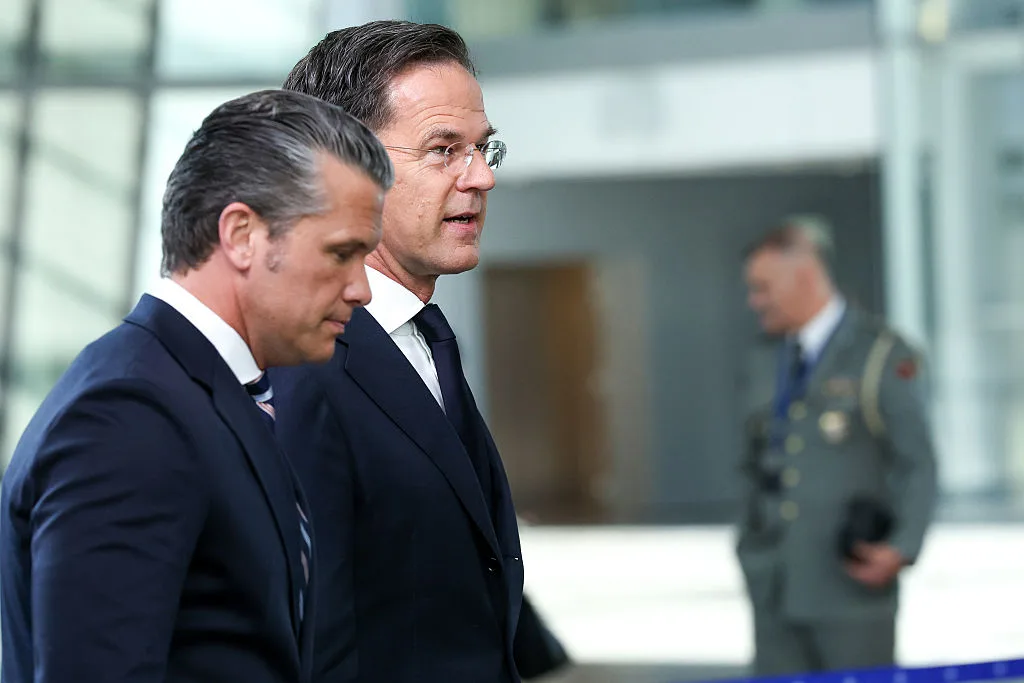








European members of NATO have begun preparing to take on capabilities that the United States plans to pull back from the continent, as the alliance’s defence ministers gathered in Brussels today to set the agenda for next month’s summit in Ankara.
Washington has told allies it would reassign a significant share of the forces it keeps in Europe and Canada to other regions, including the Indo-Pacific. The shift would reduce its contribution to the NATO Force Model, the framework that sets out which assets would be available in a crisis.
Spain, Germany, the Netherlands and several other countries are working to cover the shortfall, according to sources cited by the Spanish news agency Europa Press. The same sources said the change would be gradual and would not touch the American nuclear umbrella over Europe.
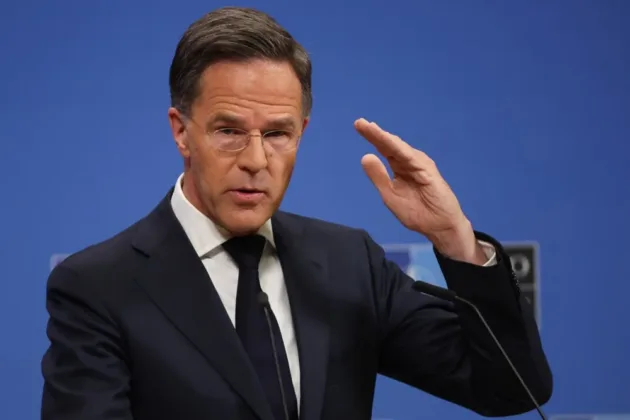
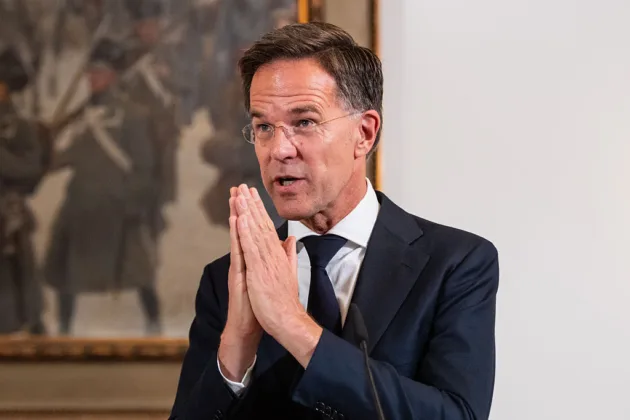
NATO Secretary General Mark Rutte cast the move as proof the alliance was changing for the better, rather than a problem. “Now the US has adjusted its pledged contributions – and other Allies have stepped up to contribute more,” he said, “and this is fair […] this is what NATO 3.0 is all about.”
Rutte argued it was only logical for Europeans to carry more of the load, noting that Europe, including the United Kingdom and Türkiye, counted some 600 million people facing a Russia of between 120 million and 140 million. He said the continent should be able to defend itself without over-reliance on an ally across the Atlantic.
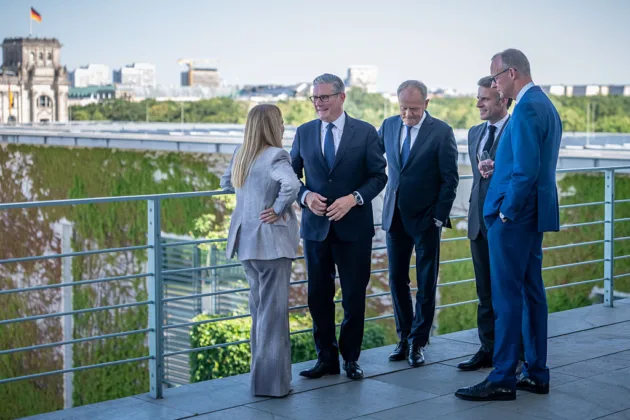
The realignment is separate from the withdrawal of about 5,000 American troops from Germany announced in May. That decision followed President Donald Trump’s anger at German Chancellor Friedrich Merz over his criticism of the US war with Iran.
Ministers were also due to review progress towards The Hague commitment, agreed in 2025, to raise defence spending to 5 per cent of GDP by 2035. The day’s programme included the Nuclear Planning Group, the North Atlantic Council and the Ukraine Defence Contact Group, which is co-chaired by Germany and the United Kingdom.
The talks come a week after former British defence secretary John Healey resigned on June 11, accusing the British Government and the Treasury of failing to fund the military adequately. In his resignation letter he said the Treasury had been “unwilling to commit the resources that the nation needs”.
His departure, followed within hours by that of the armed forces minister, deepened the pressure on Prime Minister Keir Starmer. Italian defence minister Guido Crosetto voiced support for Healey, suggesting even wealthier allies were straining to meet the targets.