





German finance minister Lars Klingbeil has ruled out applying a planned sugar tax to sugar-free beverages, saying such a measure would make no sense.
In an Instagram post on August 26, the Social Democratic Party (SPD) politician and federal finance minister stated: “What makes no sense is a sugar tax on sugar-free drinks. I will not do that. That will not happen.”
Klingbeil was responding to an internal ministry paper that became public on August 25 which caused controversy.
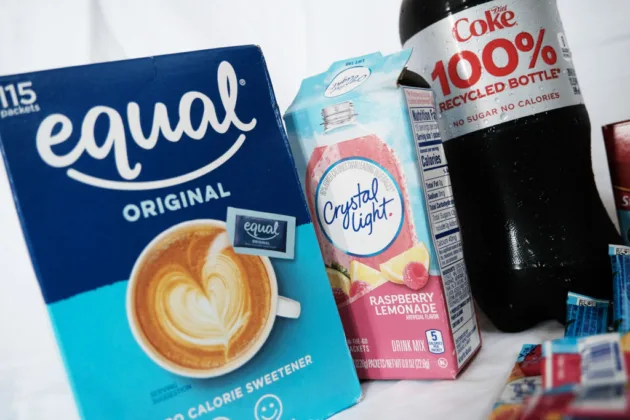
The document had proposed extending the levy beyond sugary soft drinks to include zero and light products containing sweeteners, as well as beer mixes, oat drinks and ready-to-drink coffees. Alcohol-free beer and wine, juices made from concentrate and fruit nectars were also to be covered. Pure fruit juices and plain milk were to remain exempt.
The finance minister described the paper as an internal working document reflecting a technical debate among ministries, not a politically agreed or coalition-approved position.
“When it comes to political decisions, experts in the relevant ministries discuss various ideas and arguments. Naturally, these are also controversial. They draft papers, discard some suggestions and develop others,” he stated.
“A working paper of this kind has now been published in the media. It is neither politically motivated nor has it been decided upon by the coalition. It is being discussed in a professional manner. Ultimately, however, I will decide which bill is tabled.”
Klingbeil warned that his staff “need to be able to discuss matters openly amongst themselves and also put forward suggestions that may ultimately not be implemented. If every internal discussion is treated as a political decision, this openness becomes more difficult.”
He reiterated support for action against the health consequences of high sugar consumption, particularly among children, and confirmed that a tax on sugar-containing drinks remains planned as agreed by the coalition. Details are still being prepared.
The measure is intended to take effect from 2027 and is linked to efforts to stabilise statutory health insurance finances. The cabinet had originally set a 2028 start when it agreed the key figures for the 2027 federal budget on April 29, 2026.
The government has budgeted €650 million of revenue for 2027 and at least €450 million a year from 2028.
The agriculture ministry, led by the Christian Social Union (CSU), had already publicly rejected the broader scope outlined in the finance ministry paper, arguing it went well beyond earlier recommendations.
Criticism also came from within the Christian Democratic Union (CDU) and CSU parliamentary group. Its health policy spokeswoman Simone Borchardt said the plan moved away from its health objective, while the CDU-linked Wirtschaftsrat business council said including sweeteners showed the aim was to plug budget holes.
The German government is preparing a new tax on sweetened beverages that would extend far beyond conventional sugary soft drinks and even includes sugar free drinks.https://t.co/4h7uLX4qWQ
— Brussels Signal (@brusselssignal) August 25, 2026