





Spain’s Guardia Civil has confirmed 15 rapes in Ceuta since tens of thousands of people crossed illegally into the Spanish city in North Africa on July 30. Force sources told El Mundo the most recent case came on the night of August 14, when three men were caught trying to sexually assault a 10-year-old girl.
Officers also detained a man with a criminal record for terrorism and other offences during reinforced checks at the border. An international arrest warrant had been issued for him through Interpol and he is being held in Ceuta while his possible extradition is processed.
The scale of the sexual violence is disputed within the Spanish Government. Spanish health minister Mónica García said the city’s 24-hour crisis centre for women had treated five people.
Police sources told El Español they were aware of 15 complaints and two arrests. The National Police had registered six complaints lodged by minors by August 11, the force confirmed to the fact-checking site Maldita.es.
Courts in the city have remanded nine migrants who arrived on July 30 in custody and ordered two others expelled, the Andalusian High Court of Justice said. The offences range from sexual assault and burglary to attacking officers and drug dealing.
Three of those cases are sexual assaults, in every instance against migrant women who had crossed on the same day. Two of the victims were minors, one of them raped.
Spanish interior minister Fernando Grande-Marlaska has ordered officials to seek immediate judicial expulsion for any migrant who commits an offence in the city. He put the number who entered from July 30 at 72,000, of whom 70,000 went back within days.
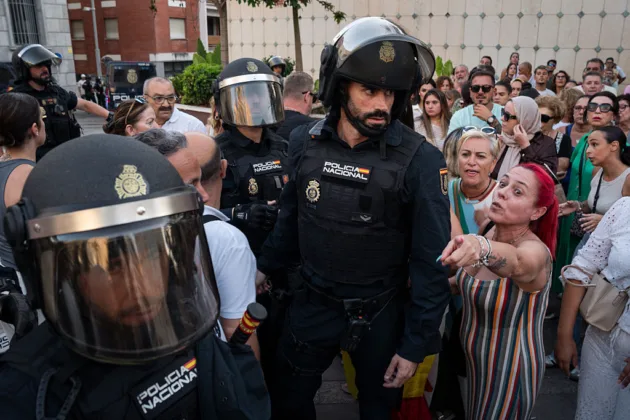
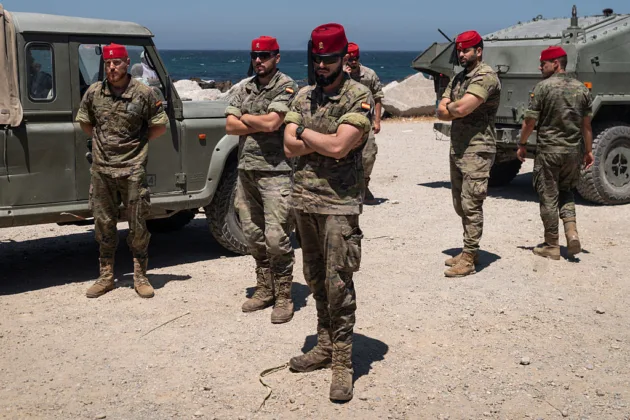
The Guardia Civil has separately identified about 1,800 unaccompanied minors and fitted them with identification bracelets. Some 1,500 officers are deployed alongside troops, and agents counted 1,500 voluntary returns to Morocco in the week to August 15.
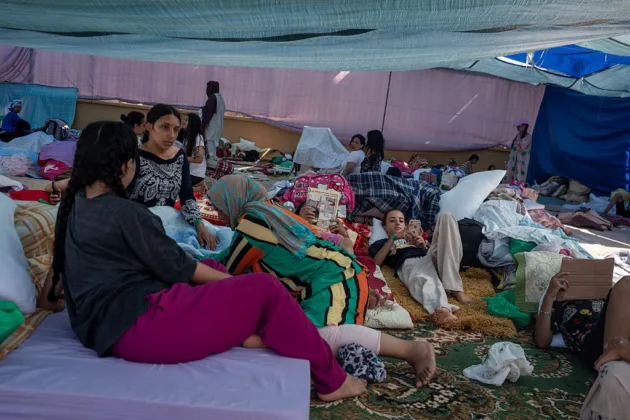
Reuters reported that at least 96 people died attempting the crossing. Between 5,000 and 8,000 migrants are estimated to remain, most sleeping on El Trampolín beach or on the outskirts of a city of 80,000 people.
Hundreds demonstrated there on August 16 demanding asylum rather than return to Morocco. The head of Ceuta’s medical board, Enrique Roviralta, told Onda Cero radio that stab wounds and broken noses were among a rising number of violence-related injuries, alongside outbreaks of scabies and infectious diarrhoea.
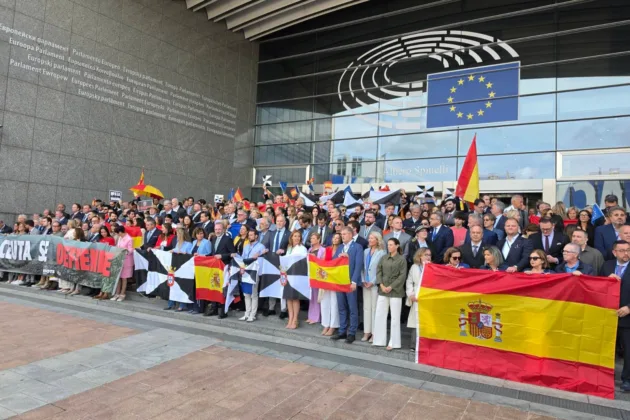
Moroccan police arrested at least 111 people on August 15 as they tried to reach Ceuta after online calls for a second mass crossing. The European Commission is weighing additional funding for Spain after receiving a first needs assessment from Madrid.