






The United States has removed Syria from its list of state sponsors of terrorism, ending a designation that had stood since 1979 and lifting what Damascus calls the last significant barrier to foreign investment.
The State Department revoked the designation on August 24 after a 45-day congressional review period lapsed without objection. President Donald Trump had notified Congress of his intention on July 8.
The Treasury’s Office of Foreign Assets Control (OFAC) said Syria was no longer subject to prohibitions under the Terrorism List Governments Sanctions Regulations. The change took effect immediately.
Washington also revoked the terrorist designation of Hayat Tahrir al-Sham (HTS), the Islamist group that led the offensive against Bashar al-Assad. OFAC removed it from the blacklist of sanctioned entities.
Cuba, Iran and North Korea are now the only countries Washington designates as state sponsors of terrorism. The listing barred Syria from US foreign aid, American weapons sales and certain exports.
Treasury Secretary Scott Bessent said the department was following through on Trump’s promise to give the Syrian people “a chance at greatness”. He said it should draw investment into the country.
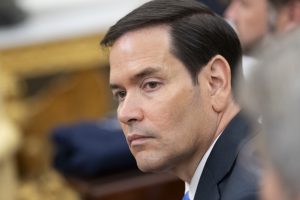
US Secretary of State Marco Rubio called the delisting a “decisive step in Syria’s remarkable journey from isolation to partnership”. He said it recognised commitments by Syrian President Ahmed al-Sharaa to distance the country from international terrorism.
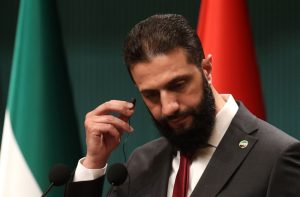
Al-Sharaa described the decision as historic and thanked Trump, saying Syria was leaving behind a painful chapter of its past. Syrian Foreign Minister Asaad Hassan al-Shaibani attributed the designation to the policies of the former al-Assad government, which fell in December 2024.
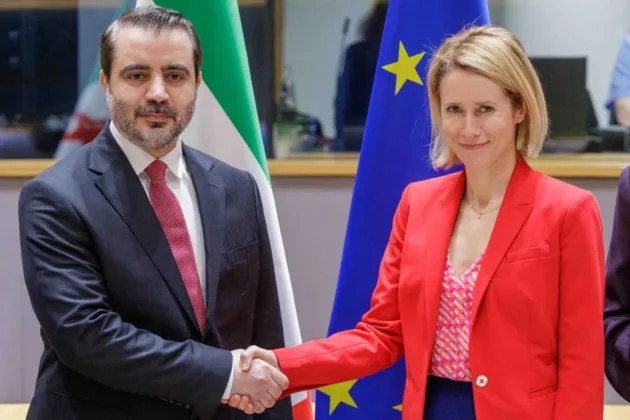
The EU moved earlier on sanctions relief but has kept a tighter grip. It lifted all economic measures against Syria in May 2025 and in May this year restored its cooperation agreement with Damascus, suspended since 2011.
Brussels renewed its restrictions on figures tied to the former regime until June 1, 2027. Curbs on arms, dual-use goods and surveillance technology also stay in place.
European Commission President Ursula von der Leyen visited Damascus in January and pledged around €620 million in support for 2026 and 2027. EU foreign ministers have since framed their re-engagement around the eventual return of Syrian migrants, a prospect officials concede remains distant.
Trump has been the transitional government’s most prominent Western backer, meeting al-Sharaa in Riyadh in May 2025 and lifting most US sanctions by executive order the following month. The delisting now opens Syria’s reconstruction to American firms.