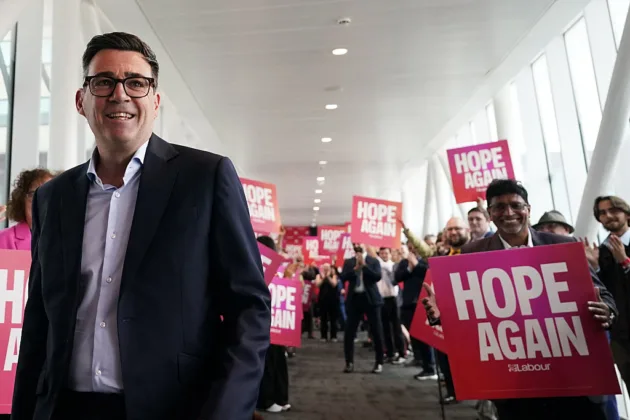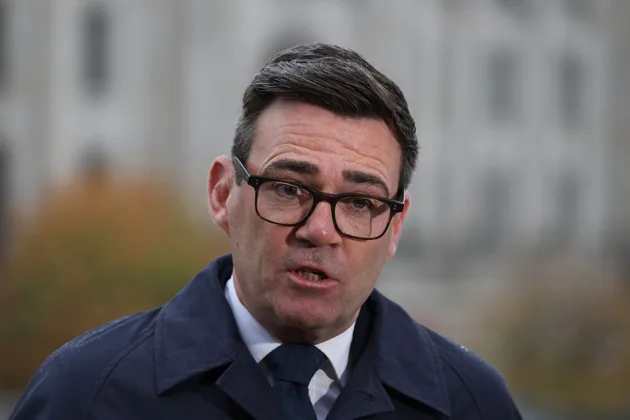



British Prime Minister Andy Burnham has reopened the question of Britain’s place in Europe, telling the Labour Party conference in Liverpool that Brexit “has done more harm than good” and promising to set out options for a long-term relationship with the European Union. He did not argue for a return to the bloc, though he did not rule one out either.
Burnham said Britain would have no clear path through the rest of the century until it settled its relationship with what remained its largest market. There were several options, he said, and he would look for consensus around one of them.
He will put them on the table around a UK-EU summit delayed since July. The meeting was due to be held in Brussels that month but was shelved when Keir Starmer resigned and Burnham replaced him.
It is now expected at the end of November or shortly afterwards. Burnham said immigration would feature on the agenda and that he wanted to recover ground for the British industries most damaged by leaving.
He did not define the options. He gave no indication of whether they ran as far as the single market, a customs union or membership itself, though refusing to exclude anything is already a departure from his predecessor’s red lines.
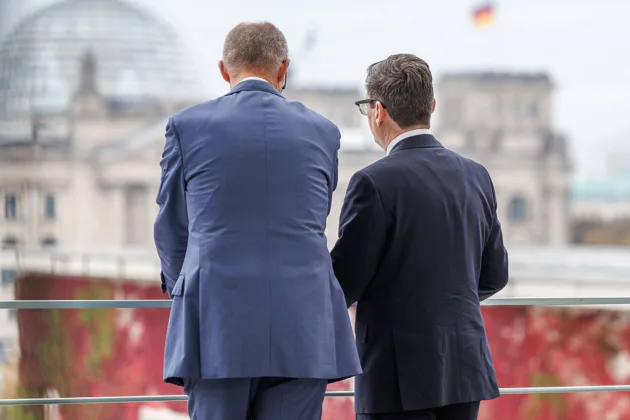
The speech went further than the line he took on September 18, when he told Taoiseach Micheál Martin at their first meeting that London wanted to deepen its ties with Europe. He has also warned that the European Commission’s “Made in Europe” procurement plans could damage British industry and supply chains.
Ahead of the conference, Tony Blair urged Burnham to make rejoining a reformed EU within a decade the cornerstone of his 10-year plan, which is due in November. Burnham has said before that he hopes to see Britain back in the bloc in his lifetime, then that he would not rerun the arguments of 2016.
He reopens the argument from a weak position. Burnham is Britain’s seventh prime minister in a decade and took office without a general election, with Nigel Farage’s right-wing Reform UK leading the polls.
Brussels has its own conditions. Any move towards the single market or a customs union would require guarantees London has not yet offered, and EU member states have shown little appetite for granting the benefits of membership to a country that left.
The rest of the speech was domestic, from a water bill strengthening public control of the industry to powers for councils to take over empty homes. Burnham also announced a commission on electoral reform, warning that under first past the post a divisive movement could enter government on less than 30 per cent of the vote.